
(ah-sin-duh-tin): The omission or absence of a conjunction between parts of a sentence.
(or why I love the word-a-day gems that arrive in my in-box)
•••
I learned the word long ago from a wicked good
grammar teacher in college who threw chalk at people
in class who had the temerity to answer incorrectly,
a fancy word that years later I tried not to throw
at my students like chalk because who needs that kind
of punctuation intimidation? No one, that’s who.
But having forgotten, I believe, a good fifty percent of what
I used to know and teach, when the word leaped into my
in-box, I thought, I know that word; it has something to do
with conjunctions—those nifty linking ands, buts, ors, nors.
I have not forgotten the editor I worked for who insisted
that it confused readers not to toss an and into a simple series.
And though I lobbed I came, I saw, I conquered (Caesar’s
perfectly lovely asyndeton) at her, she would not be moved.
I inserted an and in my sentence but read it silently without.
Sometimes intentional omissions smooth a repetitive rush—
It was the best of times, it was the worst of times,
it was the age of wisdom, it was the age of foolishness…—
even as they leave us breathless, a beating heart of rhythm,
a living thing that moves with determined intention:
…it was the epoch of belief, it was the epoch of incredulity,
it was the season of Light, it was the season of Darkness,
it was the spring of hope, it was the winter of despair…
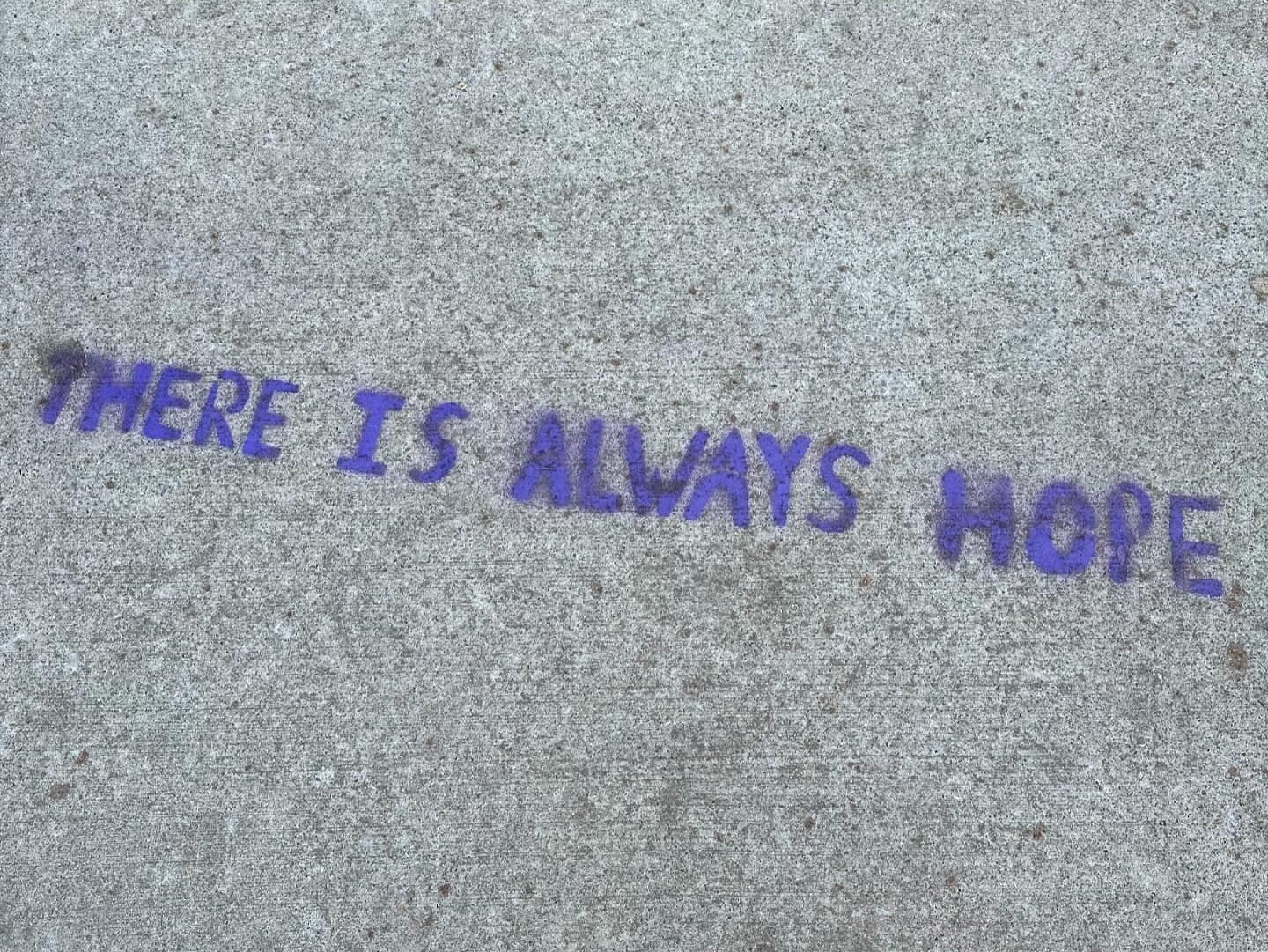
And oh, how we need the hope, the light, the belief
amid the incredulity, the darkness, the despair.
Let us rise, even in the season of darkness,
always rise, into the light.
•••
(It was the best of times, it was the worst of times… and …it was the epoch of belief, it was the epoch of incredulity… lines are from the beginning of Charles Dickens’ “A Tale of Two Cities.” )


 Güd wrtr
Fabulous, all of it, and a new word to boot!