Let us make best use of the fleeting moments. They will not return. —Saint Marianne Cope, mother of outcasts, Kalaupapa, Moloka’i
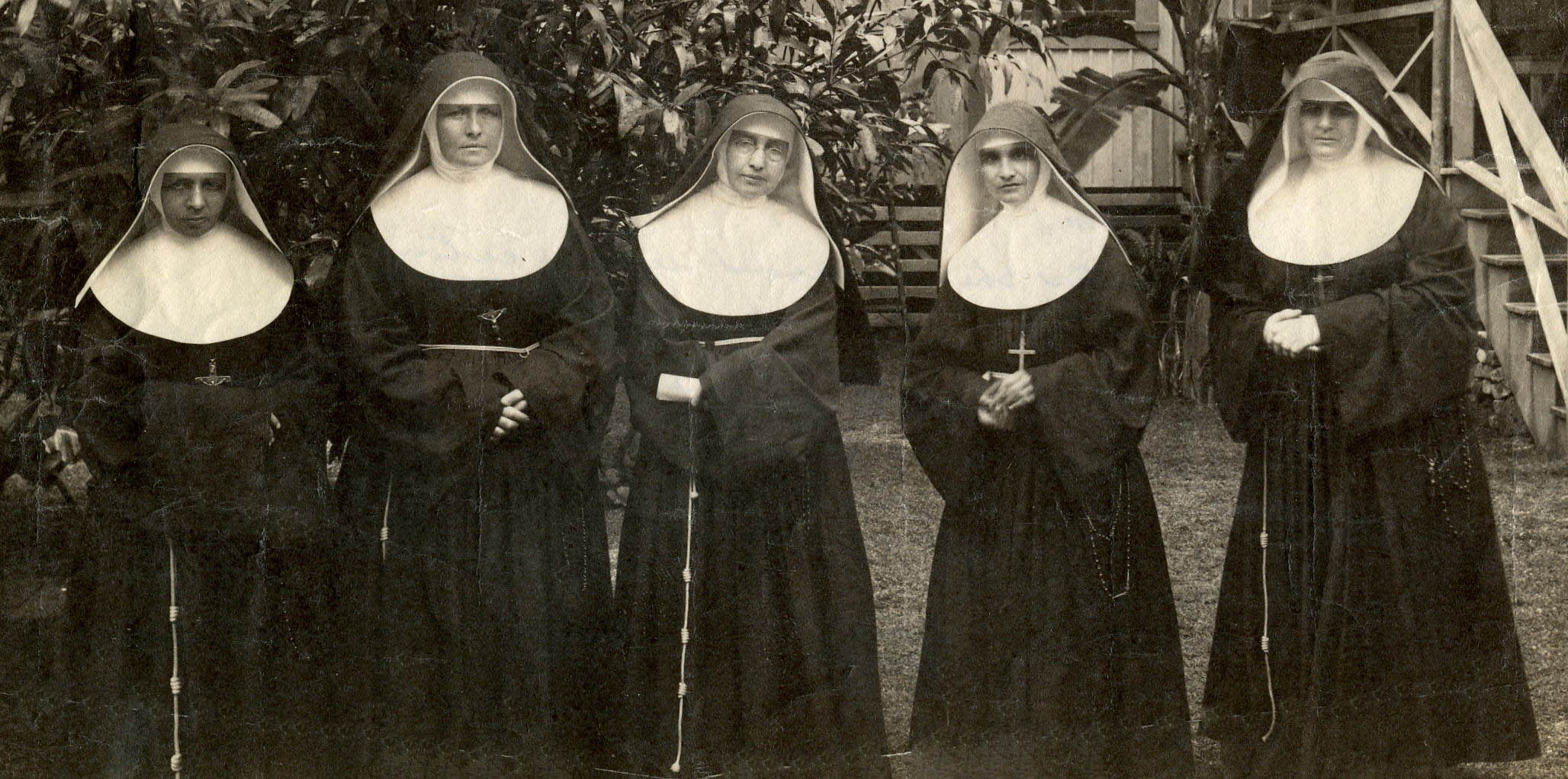
In the old photos she looks so tiny, the Franciscan nun with such faith and persistence that she persuaded an all-powerful bishop to let her bring six sisters to a remote peninsula on a small Hawaiian island to tend the dying.
“I am hungry for the work,” Mother Marianne wrote the bishop in 1883. “I am not afraid of any disease, hence it would be my greatest delight ever to minister to the abandoned lepers.”
Even in fading black and white, there’s determination in the eyes of that capable nurse, promising the half dozen nuns who came with her that none of them would fall ill or die, more than a half century before drugs arrived to arrest the disease Hawaiians called ma’i pake. The sisters would house and educate the girls, as the brothers did the boys, no matter how long the children lived, tend the sick, young and old, with their oozing sores, offer comfort to the dying. They would wash their hands after every patient.
God would care for them all; they would thrive. And they did.
She was mother to them all, doing “the work in the name of the great St. Francis” for 35 years, dying in 1918 of natural causes, laid to rest by adoring hands in the land she loved. Almost nine decades later, exhumed on the brink of sainthood, her 21st century sisters helped collect the relics of their rising star who, it was said, had changed a dark place into one of light, dignity and joy.
They reverently arranged the bits of her blesséd bones, one told me, on a table in the Bishop Home where she had lived with scores of women and girls, sat a vigil and prayed for Hawaii’s female saint, in gratitude and love,
Though her relics left Kalaupapa, the woman they still call Mother remains embedded in the hearts, in the soil, along with 8,000 who died in one of Hawaii’s most sacred places. Among them a carpenter priest named Damien, who welcomed her—he, too, now sainted. Both heavenly lights called to the work of their lives, like so many who followed, who continue to honor their names, in remembrance, with aloha.
— In memory of the people of Kalaupapa who lived and died there, with gratitude to those who continue to work to keep their stories alive.More information about Kalaupapa on the island of Moloka’i in Hawaii—where people with leprosy (now called Hansen’s Disease) were sent for almost 100 years and the project to build a memorial to the 8,000 people who died there—can be found here.
Mother Marianne Cope, center, and the nursing sisters of Kalaupapa, 1899
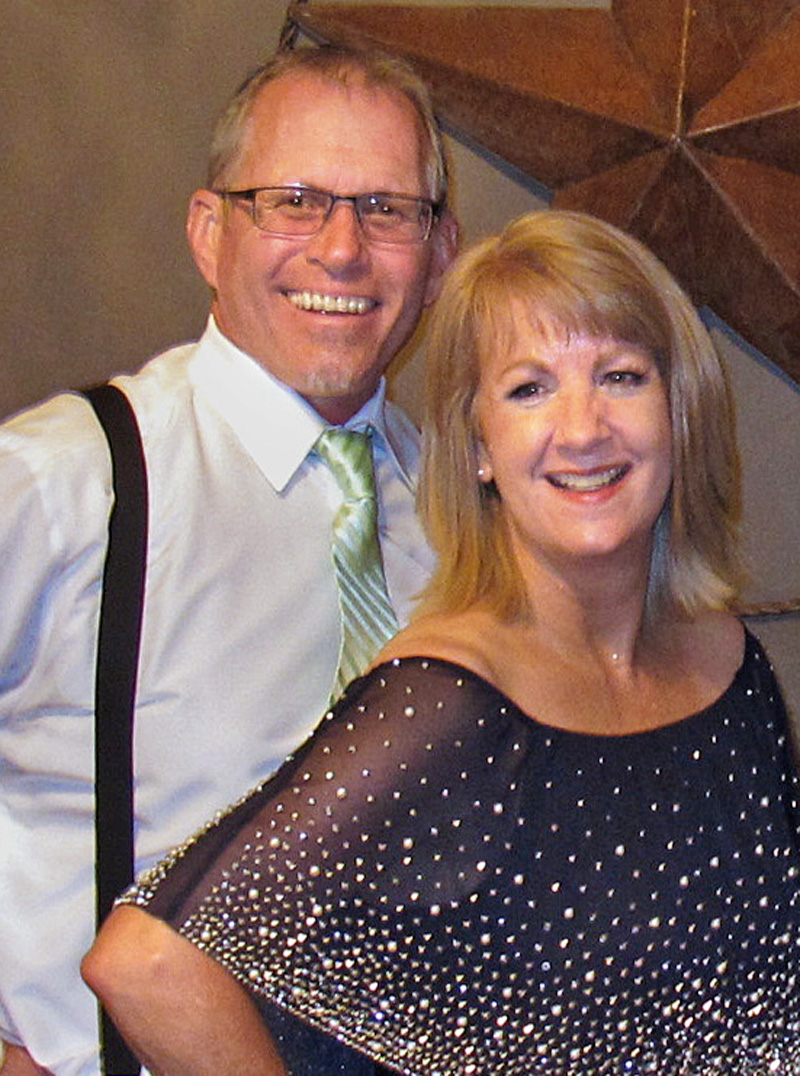
still and always so good-looking (as is his wife, my baby sister), so talented, an excellent father and husband, a man who deserves, after a long career as a high school art teacher, to retire this year, which he will (and my sister, the amazing physical therapist, will, too).
Honestly, when did the man rack up six-and-a-half decades? I’m six months behind him, age-wise, and I can’t feature either of us old enough to retire or him old enough to be a grandpa, which he’s set to become in June as his daughter (my niece, born on my 29th birthday) marinates a new life inside her.
But there you are—just yesterday, I swear, we played in the college band together, and then he and my sister, both of them in gleaming white, got married, and, it seemed, a minute after that one baby, then a second, arrived, as he house-husbanded the family,
then a whole career, a whole life, far from over—still exuberantly, joyfully in progress—with bike riding and painting and gardening and more to be discovered.
So happy birthday, dear Eric, sketching a future into 65, and beyond (to infinity, perhaps) with so much love from so many who adore you—not least me.
One still on the planet, one not— Parton and Joplin, two music icons whose songs so many of us can sing from memory—
though for two fine singers born on the same day, you couldn’t get such different musical styles.
And how is it that Janis was born three years before Dolly? Each seems ageless, larger than life—or death— frozen in photos as young women singing their hearts out:
—Take another little piece of my heart now, baby —I will always love you —Oh, Lord, won’t you buy me a Mercedes Benz —Pour myself a cup of ambition —Try, try, try just a little bit harder
And you just know that one day when Dolly takes to that great stage in the hereafter, she’ll find Janis, and they’ll sing up a ruckus so loud we’ll hear ’em all the way down here—
…all I really know is here you come again, and here I go…
Birthday twins born Jan. 19—Dolly Parton (1946) and Janis Joplin (1943)
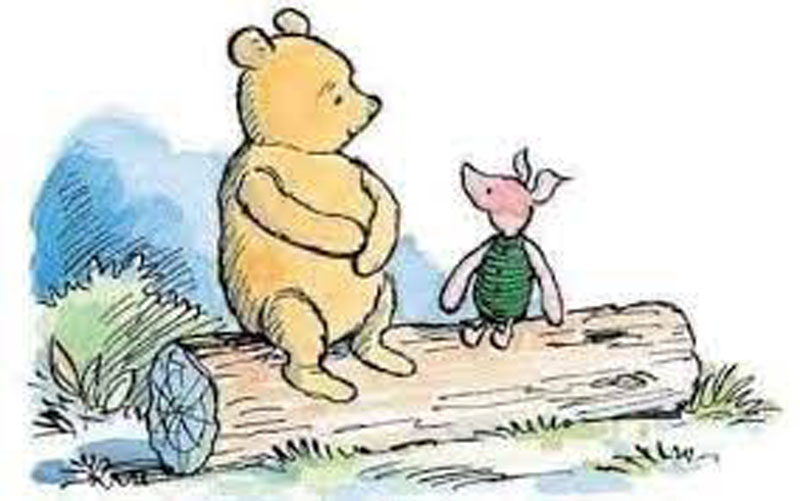
You can’t stay in your corner of the forest waiting for others to come to you. You have to go to them sometimes. —Winnie the Pooh (by A.A. Milne, born Jan. 18, 1882)
So let’s lace up our big boots and step out into the world where the rain has stopped
for a bit, and the little clouds float in the blue as the winter sky shimmers with radiance
that comes with a freshly washed world, perfect for a walk, perhaps a visitation
to someone who might like a friend to stop by, someone who, like Piglet, with his very
small heart, might find in it a rather large amount of gratitude that you,
big, old bear, came to sit and talk awhile, because, after all, it’s so much more
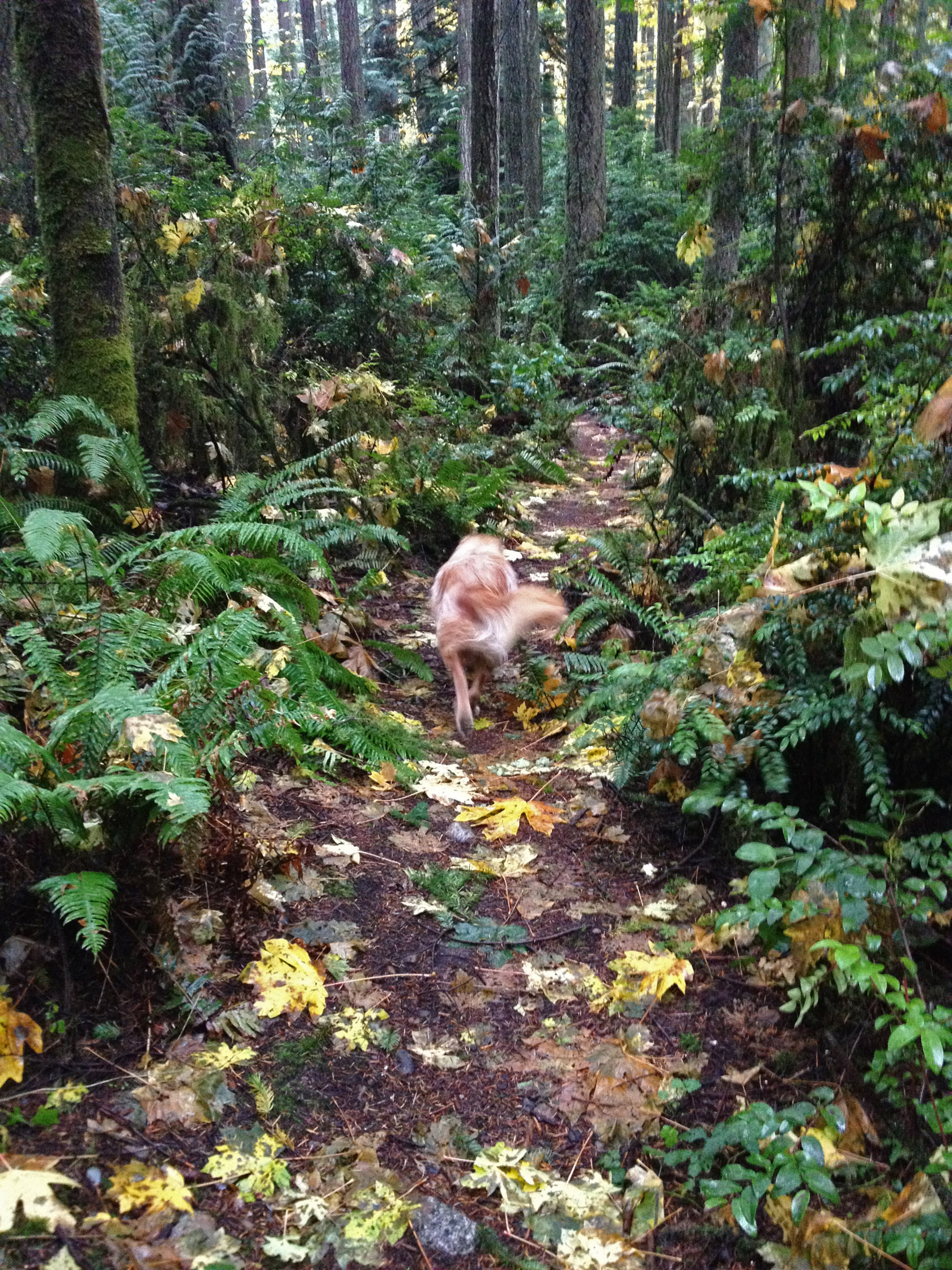
I let my poet off her leash, and, unclipped, she turned her furry head and shot me a question—
Really?
Yes, I said. Go ahead. Run wherever your heart directs you. Sniff what catches your fancy. Gobble up luscious lines. Lie in greening couplets and rest when you like. Chase what verbs need chasing.
Nose twitching, she licked possibility, tasting syllables, inhaling stanzas, and, in a blur of metaphor, I threw the leash away,
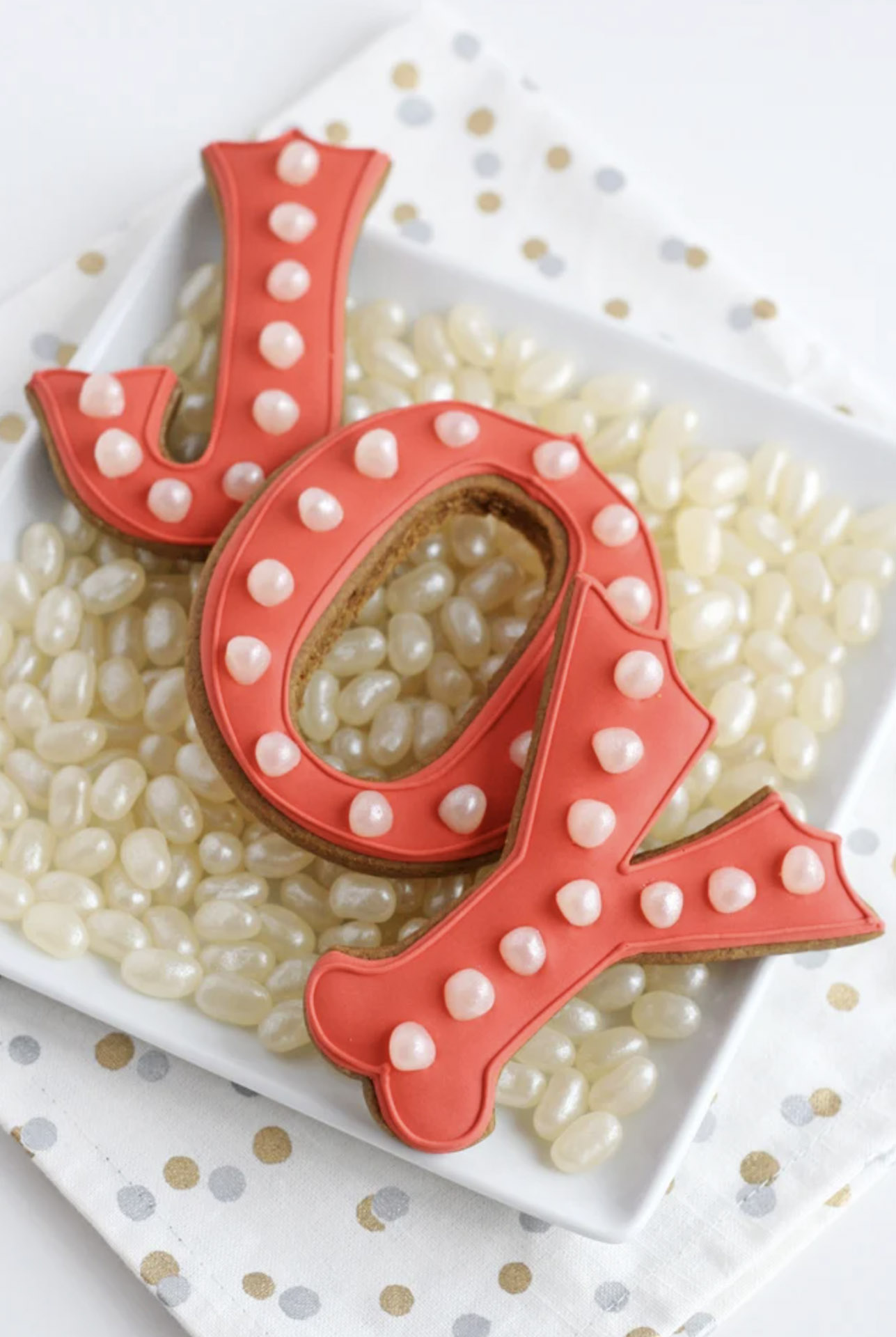
Joy is the whole cookie, fat with chocolate chips or smooth as shortbread. In fact, the more crumbs you mash onto a finger and apply to your tongue, the sweeter the joy.
No one tells you this; it’s something you must learn yourself. But this is why we fall into doughy goodness, mad for the cookies that call to us:
snickerdoodles, gingersnaps, biscotti and peanut butter, oatmeal (with or without raisins), those with gluten or without, macadamia nut, molasses, macaroon, the thumbprints with their divine jelly wells, holiday spritz, the snowball, lebkuchen, the gingerbread—
all cookies cut out or dropped, made of thousands of crumbs of delight mixed with love, baked into pure bliss.
Gleefully gobble those morsels—don’t miss a one. Let all that joy dribble onto your grinning face.
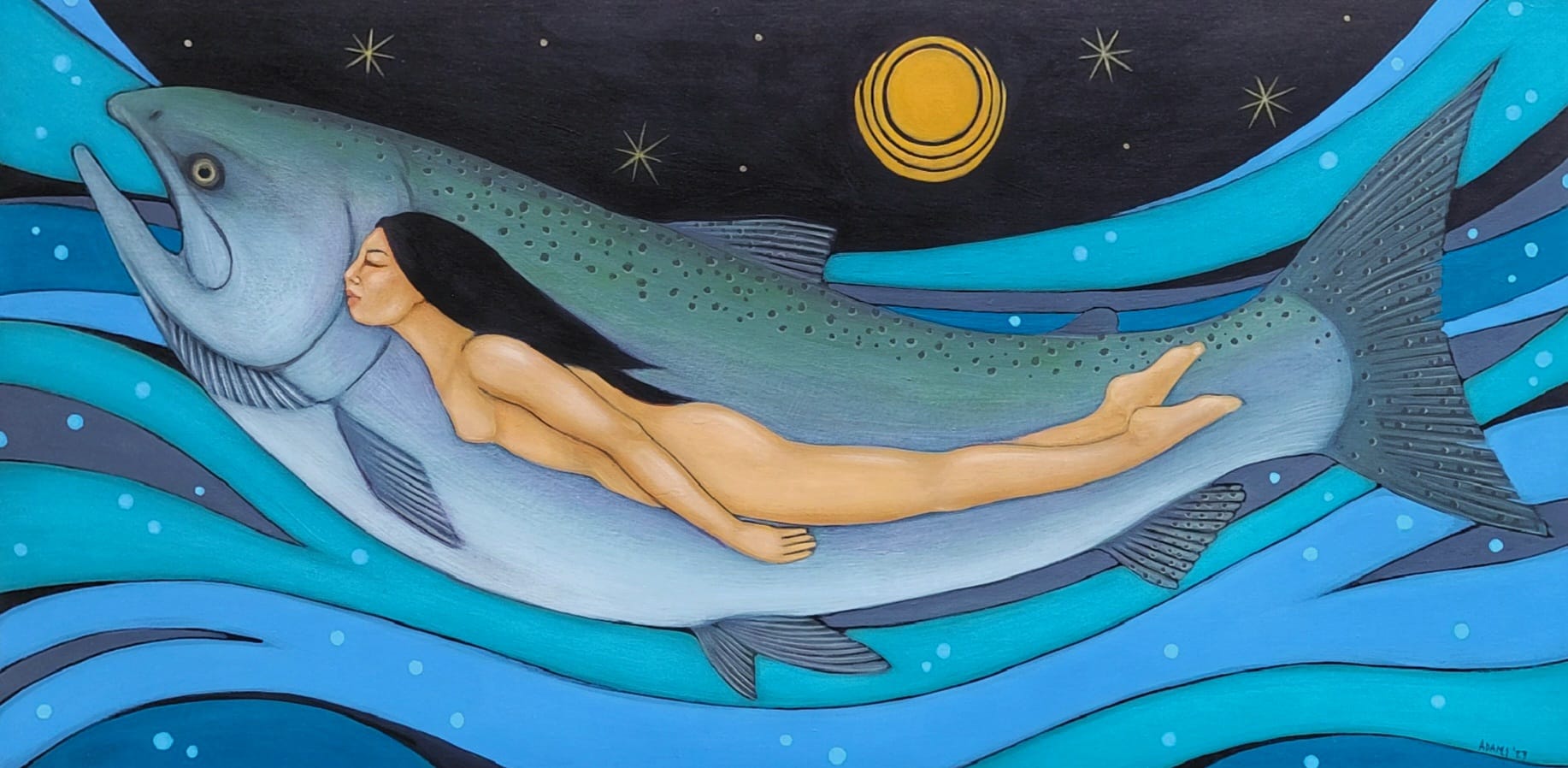
The universe keeps dying and being reborn, physicists say. It doesn’t stay the same; it’s ever expanding, as Einstein theorized— exponential expansion, which means that as much as we want things to remain the same, a rock solid cosmological constant, they just aren’t.
In the universe of your heart, the seemingly dead was jumpstarted back to life. Weighted with such inexplicable mass, I had to sit and breathe for a bit, as did you, recovering.
Now, four years later, I remind myself that we are continually reborn, the cosmos within each of us exponentially expanding at times, contracting at others. Our meager concept of time turns out to be a mere eyeblink—
proving again that love is the true cosmological constant, like atoms ping-ponging across the cosmos, traveling through space to lodge squarely in our fragile, starstruck hearts.



 Güd wrtr