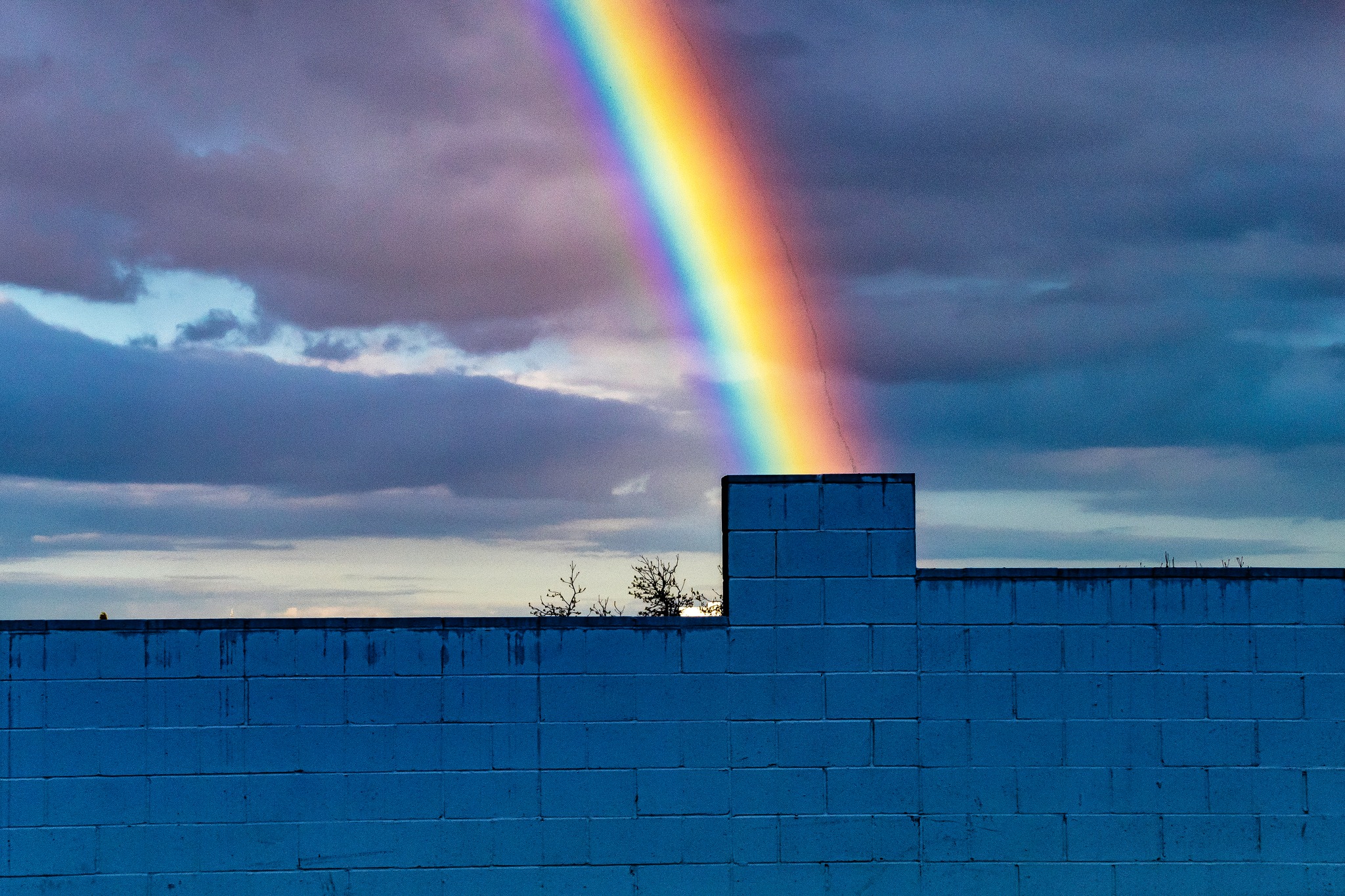
They dive in or burst out of brick buildings, cascade over a meadow, backlight a majestic oak tree at sunset, reflect on the waters of a river called American under a bridge named Rainbow.
You capture elusive light, share it with others who missed the full spectral beauty of brilliant, stormy skies. Or those who can’t see it as you do through your lens,
unpeeling the world, brightening it for the rest of us.
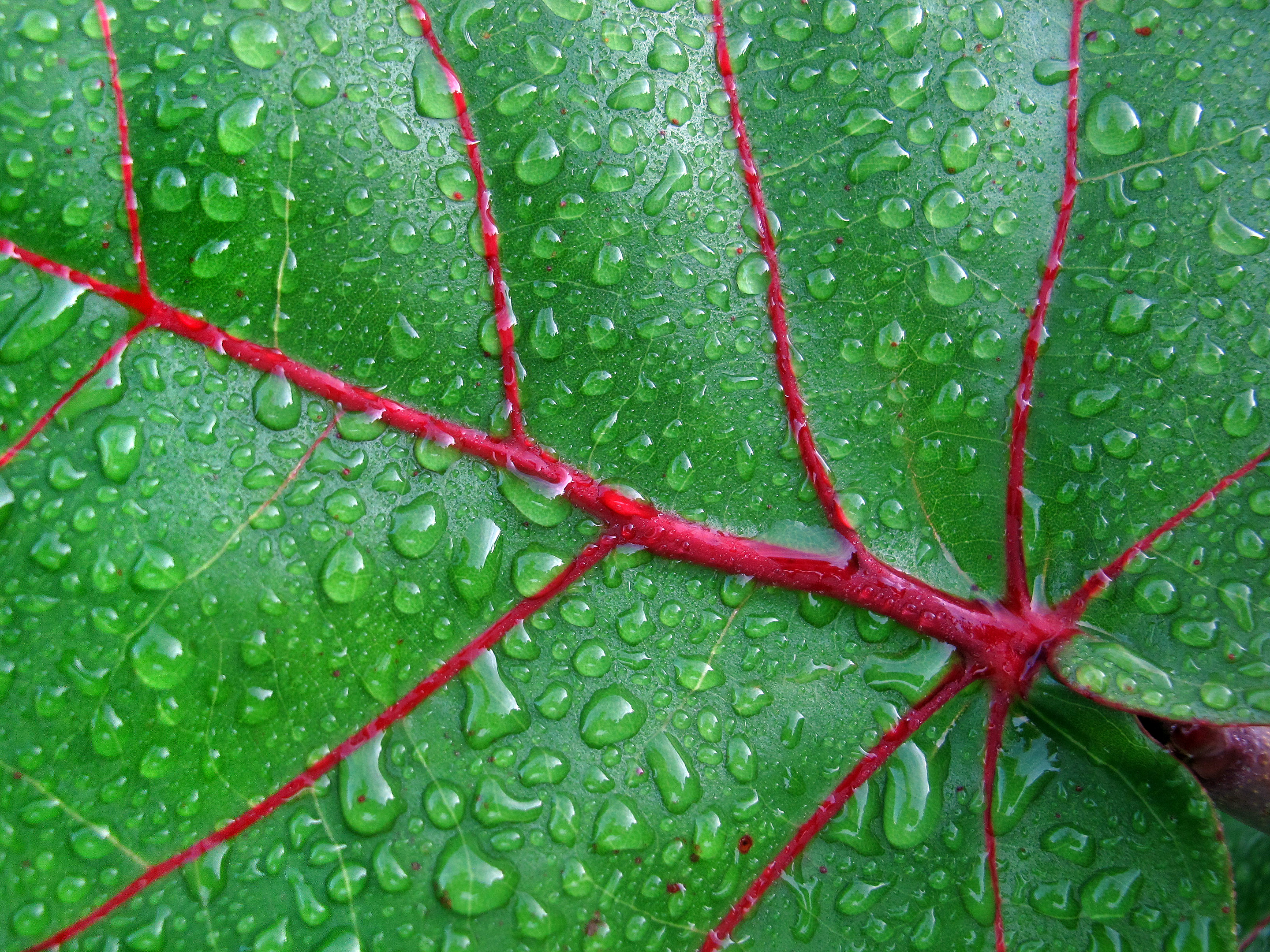
The song you heard singing in the leaf when you were a child is singing still.
— Mary Oliver from “What Can I Say?”
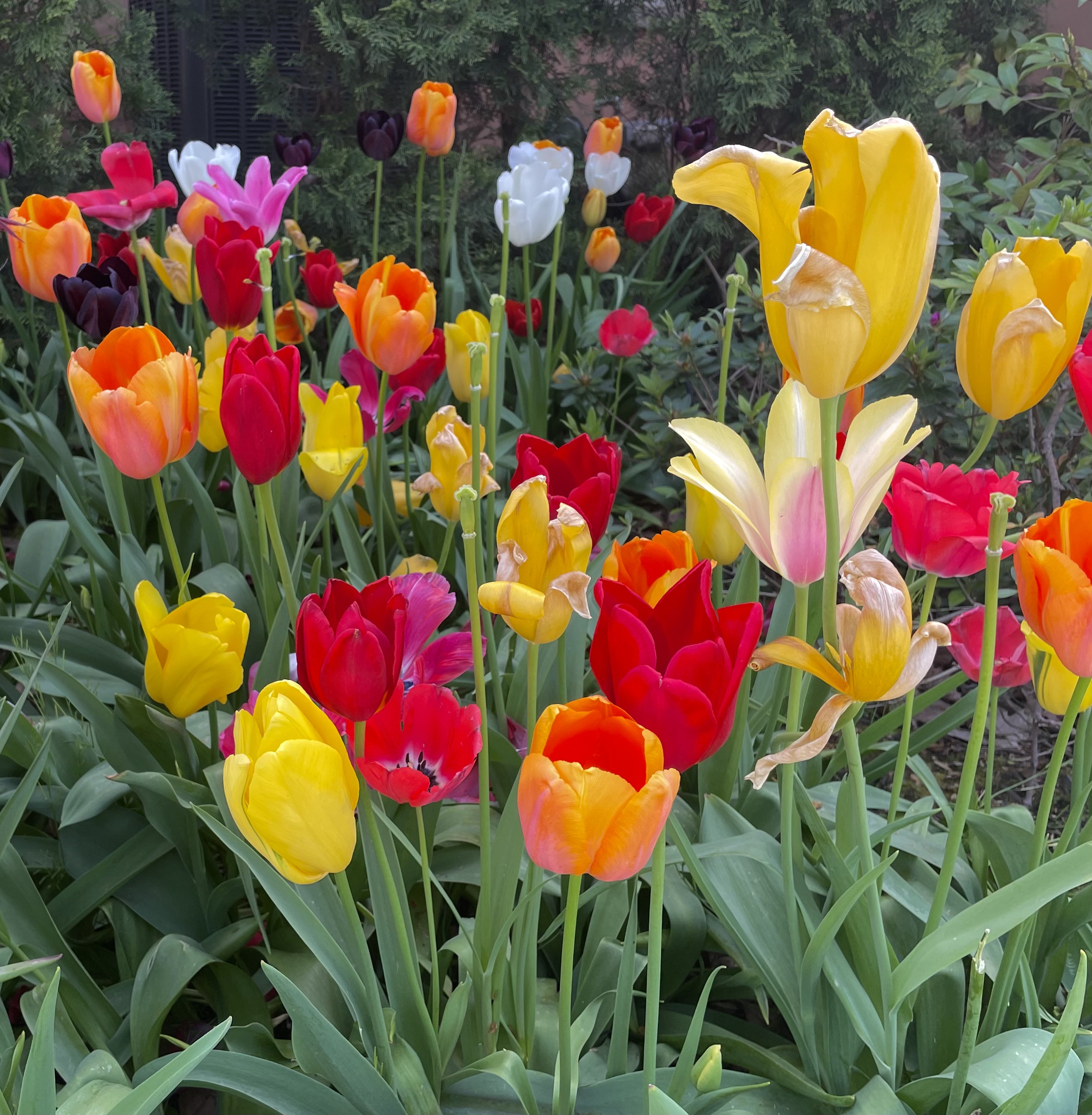
If you bend near or stretch tall, put your ear close to the baby bud busily working to evolve— perhaps one day unspooling into a graceful fern or a whopper of a sycamore leaf the size of your hand—
if you’re very quiet, so that all you hear is a whoosh of wind and the call of a bird whose name you’d like to know,
you might catch the song of foliage greening, of the stalk stretching as you do, growing taller every moment, even when you can’t see it.
You might detect a tiny tune in the life that’s aborning. Let the leaf teach you the melody embedded in its cells, placed there by ancestors it has never known, but has inherited everything it needs to grow and flourish in this season of thriving.
Tuck that tune under your arm, and return often, if you can, to linger with the song of springtide. Be sure to hum or warble or whistle, adding your own harmony to the leafy serenade,
as well as your big smile, your whole-hearted applause.
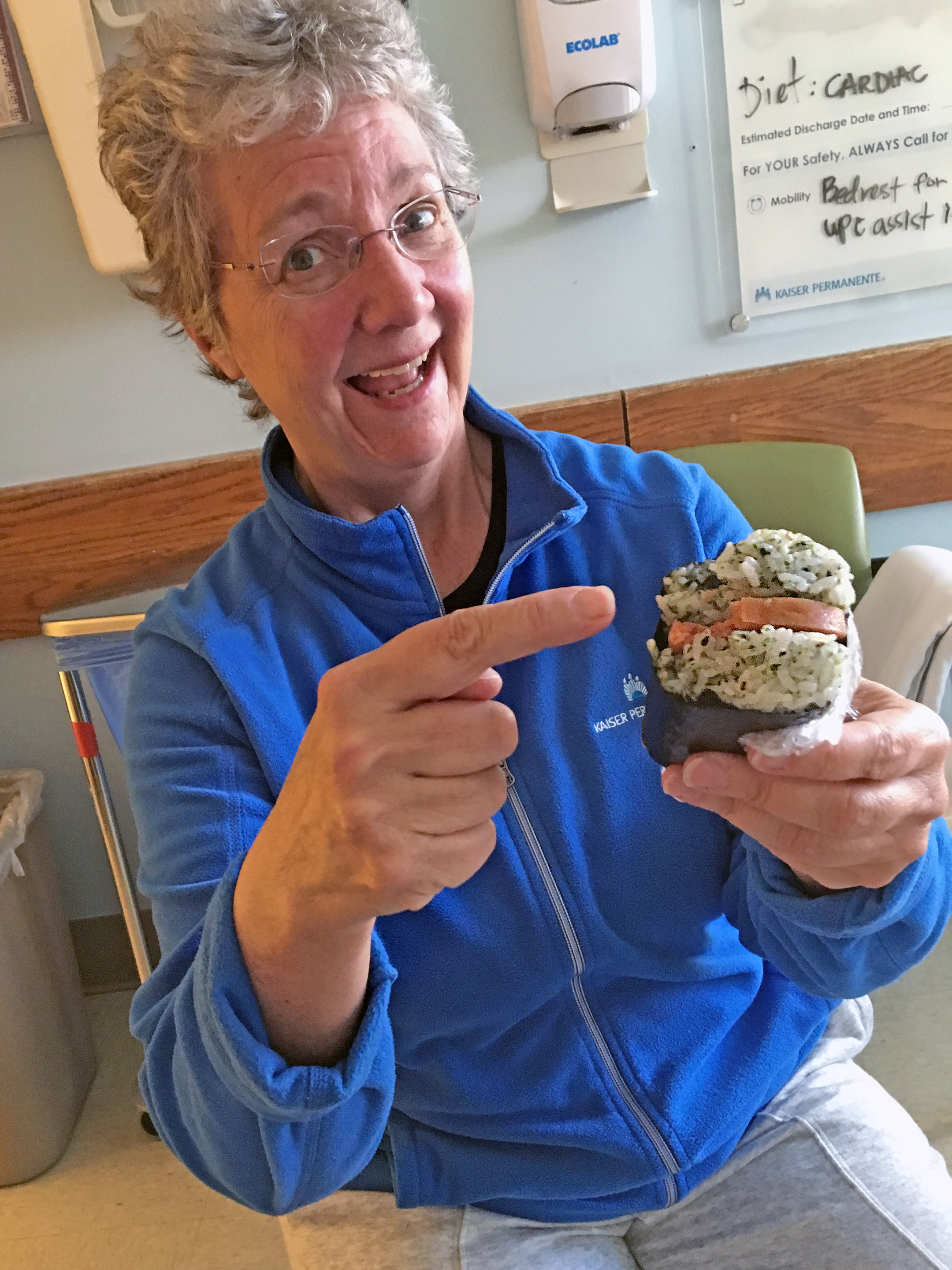
Only in a Hawaiian hospital, where he and I lodged for a fortnight, could one find tight white rice slabs topped with fried Spam drizzled in teriyaki sauce, bound in a crinkly green ribbon of seaweed.
And after another mostly sleepless night—up every hour, it seemed, helping him with the urinal, the bloodletter, as he called her, arriving for a middle-of-the-night stab, announcements in the hall piercing my fragmented dreams—
I’d rise from the folding chair-turned- too-hard-bed, already dressed, stumble downstairs to the cafeteria (stairs for exercise every chance you get!) and find my way to the warming table where, under hot lights, the musubi waited—
and nearby the hot water tap eager for a crisp cup, my cold fingers stopping on a packet of Japanese green tea at the register.
And, taking my breakfast to a table by the vast panes of glass that looked mauka to the Moanalua Valley that stretched, it seemed, to the island’s center, I’d sit, pause, then bite into into comfort that the heart patient upstairs could not have, warming my tongue, curling my palms around the cup, the little teabag tag dangling on the end of its slender string,
then look up and out into the new day, beginning to be fed, starting to feel full.
Jan and her Spam musubi, Moanalua Hospital, January 2019 / Photo: Dick Schmidt
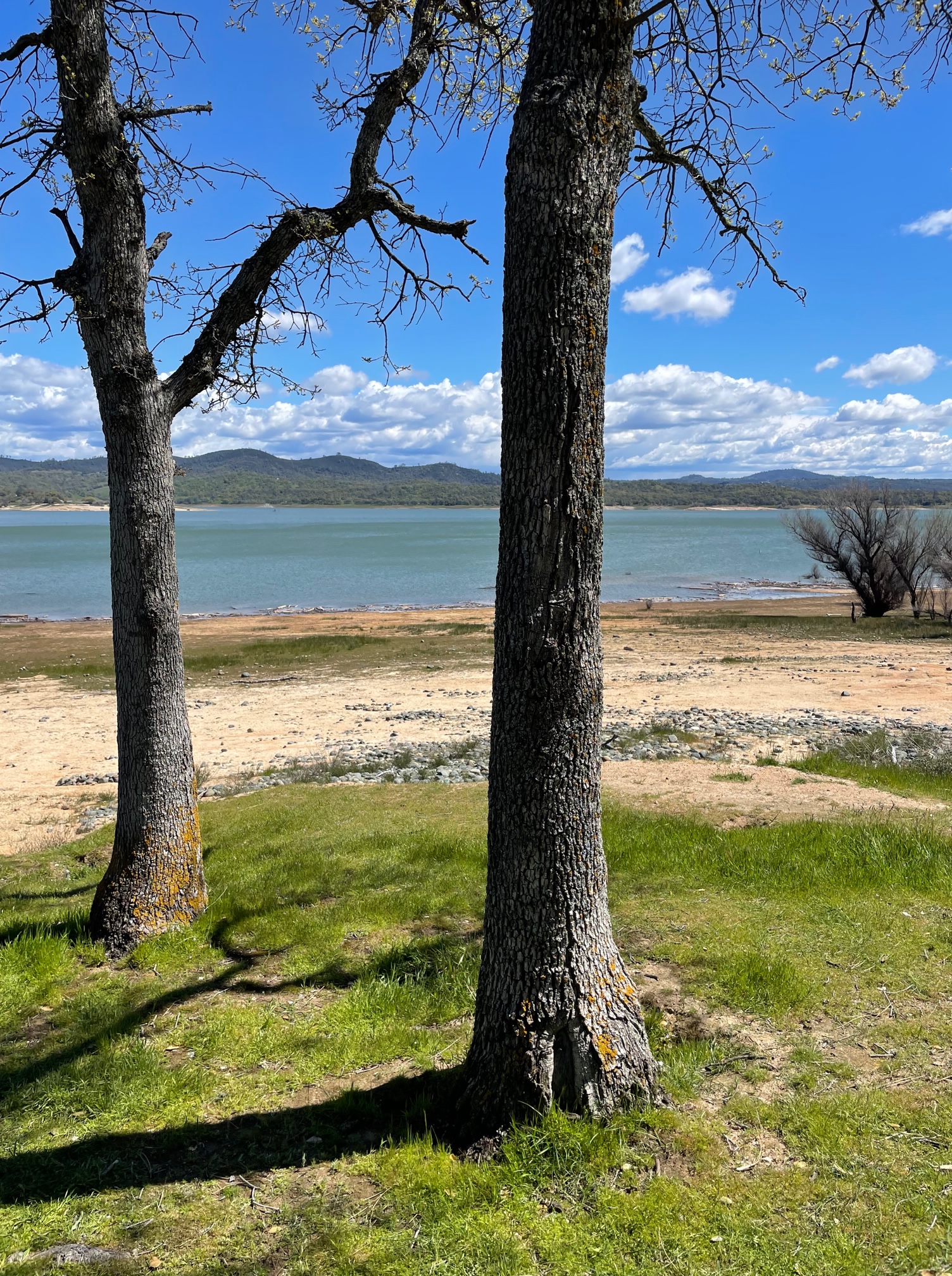
It will not always look like this, I remind myself as I walk, the lake edging toward full, the bluest blue sky, the loose fringe of clouds over the hills.
What I will miss most all too soon is when the green goes gold, the grasses bleach to straw, ripe for a flame, practically begging for a spark,
the old oaks standing sentinel, leafing now, branches quivering in the breeze, weathering whatever comes at them with perfect equanimity.
I look to these silent teachers of serene acceptance—calm, composed, steady protectors, so well balanced, deeply rooted.
Driving over the seasonal sea that washes under the causeway, river overflow flooding rice fields before the crop is planted,
I look at the little islands with their reedy crewcuts popping out of water.
Pulling my eyes from the road, I search for a great egret tall on black-stockinged legs, taking a moment’s pause in the business of wading through wetlands, searching for sustenance.
I wonder what it might take to pull you out.
Could I row a small boat to where you stand, seemingly lost in the murk?
Could I toss a life buoy down the hole where you find yourself, persuade you to grab it, let me pull you to the surface?
Or do I wait, breathing in your sorrow about what has come, what is sure to come, breathing out peace and ease?
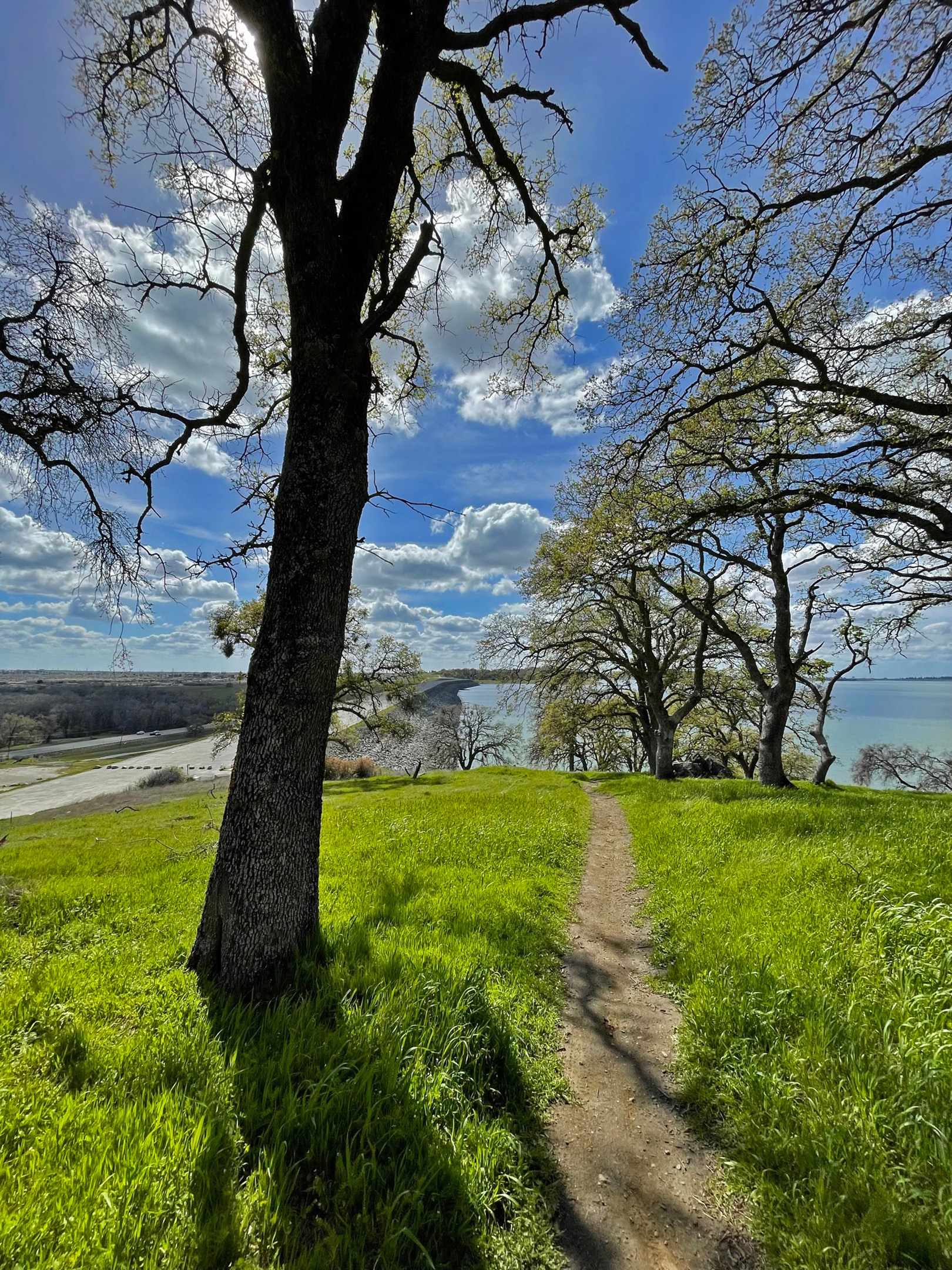
so I park by the rocky slope of Mormon Island Dam rising into the afternoon and start the climb, first along the service road that slopes to the top for a wide-angle view of the lake, then veers uphill onto the path of spring aborning.
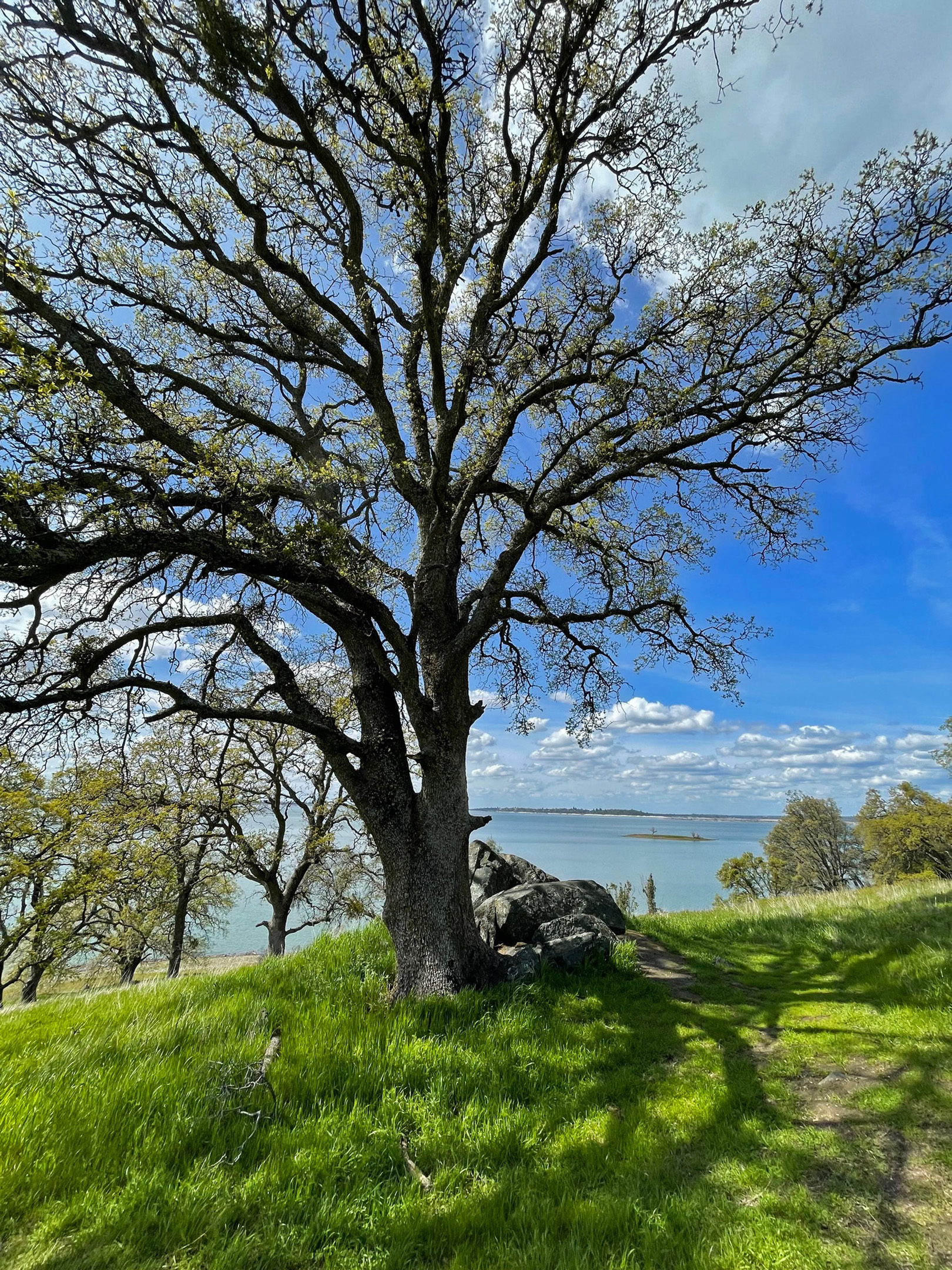
I want the oaks just beginning to leaf out— the big one up there with boulders beneath where I can sit above this expansive body of water on which we used to ski behind a turquoise boat—
Father driving, Mother keeping track of a daughter at the end of the rope— a spot where I can look across the lake to the pale ribbon of shore fronting more green hills and oaks studding the land that shaped my sister and me.
This great basin before me—nearly emptied by drought in recent years to a trickle of the original river running through it—is nearly full.
Snowmelt will soon arrive in torrents, and though we perpetually have too much or too little water, for now it is good to sit on granite high upslope under trees, washed by an eloquent spring breeze on the last day of March,
grateful for this solo outing,
attentive to conversing birds, breathing with trees and rocks, grasses and lake, listening for the poem approaching,