Not that I couldn’t, but more likely, I doubt I’m gonna:
• Become a rock climber (which I fantasized about decades ago) • Or a hot air balloon pilot (ditto on the fantasy) • learn to SCUBA or surf (ditto on the fantasy) • Travel all the places I thought I would • Take my late husband all the places I thought I would • Give birth • Become a plumber, electrician, roofer—i.e., acquire useful skills • Learn algebra or chemistry, not to mention Latin or Greek • Spend time in squat pose (especially rising from it) • Ask my parents questions I wish I had asked • Learn to drink coffee or martinis • Hike high peaks
Though I did, at various times, learn to:
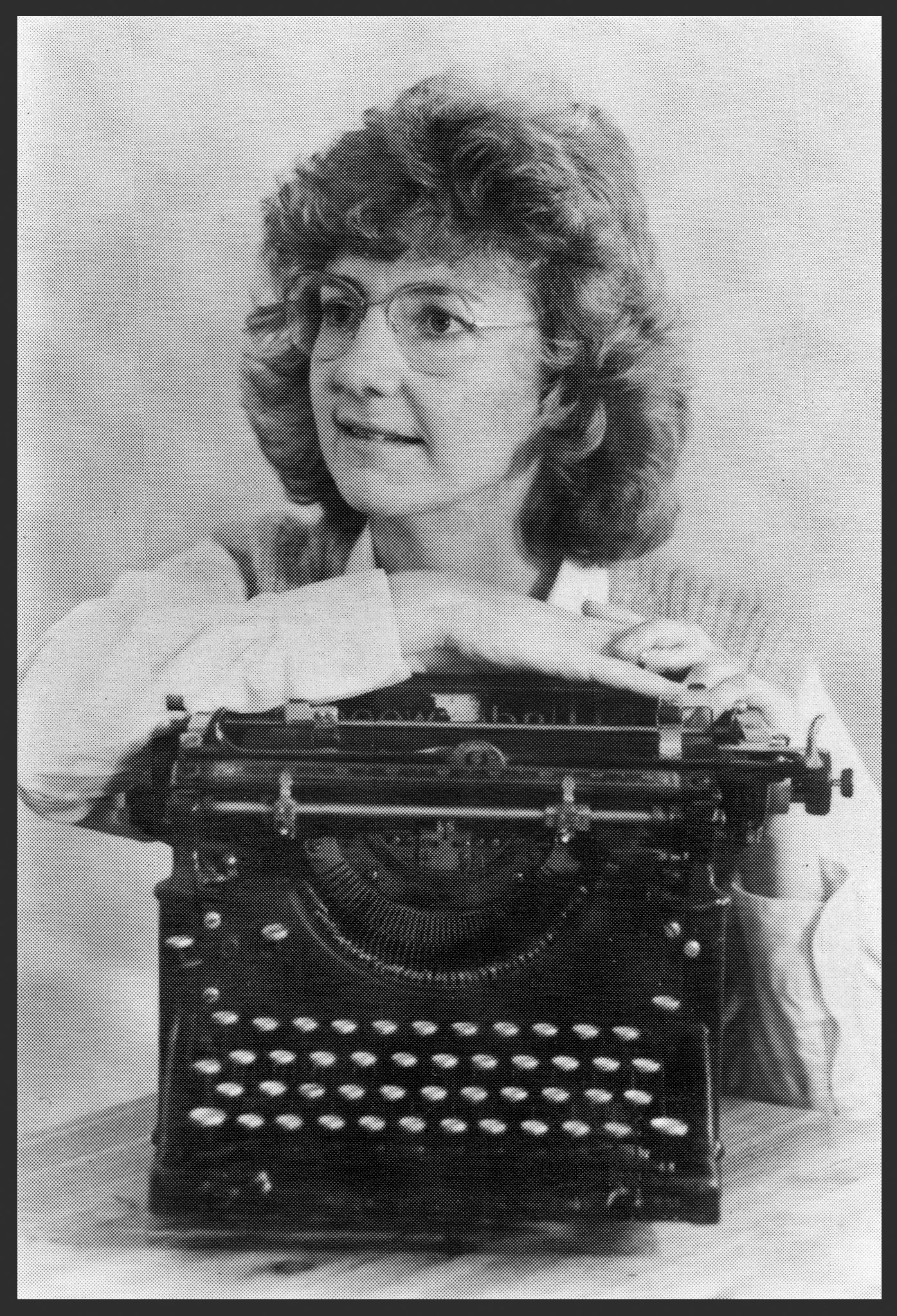
• Read books as naturally as breathing • Climb some trees and not fall out of them • Be a big sister (and adore my younger one, Donna Gail) • Be a good friend (to many, I hope) • Turn garters (the hosiery kind) into tiny people (thank you, Sue Lester, first BFF) • Throw a softball (thanks to the late great husband Cliff Polland) • Mow the lawn (another thing Cliff taught me) • Make split pea soup (thanks to Lisa) • Make a wicked cheesecake (thanks to Marge) • Make Grandma’s brownies (thanks, Grandma) • Become a fast typist (thanks, Gerry Colón, Oakmont High School) • Become a versatile writer (mostly by writing and not stopping) • Drink tea • Swim/waterski/do a wicked ballet leg in synchronized (now artistic) swimming • Coach/teach/encourage others, especially writers • Ride a bike (big challenge for tippy me) • Put color on paper (can’t really call it painting) and enjoy it (thanks, Eric and Terri) • Drive (also big challenge for young me) • Take care of waaaaaay too many cats and some dogs • Love Hawaii and visit often (thanks, Dickie!) • Sing a barbershop tag (thanks, Mom and Dad!) • Publish books and anthologies (thanks to many writing students) • Become a reporter/editor in the journalistic sense (thanks to teachers, editors, colleagues) • Become a poet/novelist in the creative writing sense • Learn to meditate, often while walking (thanks, Julia Ellen) • Practice yoga and become a yoga instructor • Play (in this order) the piano (not well), snare drum, bells, tympani, marimba and assorted percussion instruments… plus kazoo! (thanks to music teachers and band directors) • Go back to band (at age 67) and play some of those assorted percussion instruments • Help care for those in their final stages of life • Be so well loved by so many • Love so many people, I hope, so very well
Look at how long the second list is. Look at how much I can add to it. Gonna add to it. Not done yet. In more ways than one.
•••
• With thanks to Amherst Writers & Artists facilitator Ann Bancroft, one of my former journalistic colleagues, for the invitation that prompted this piece, and • To my parents, Roger and Darlene Haag, who married 59 years ago today, then made me about 17 months later, and my sister a little over two years after that.
In the hospital emergency department I overhear a social worker talking to a young woman in a recliner getting heart meds but has no place to sleep tonight.
“Do you want two days at the Salvation Army and then apply for permanent placement?” he asks.
She hesitates.
“Do you have anywhere you can be safe?”
Her rapid-fire response ricochets down the hall. “I can’t go to my mother. She using, and I…”
The social worker listens. “I understand,” he says.
And this is after another woman in the recliner next to me has arrived with a six-day headache, whose usual medications have not worked, sits tethered to an IV cocktail drip, only in slightly less pain when her husband arrives to take her home.
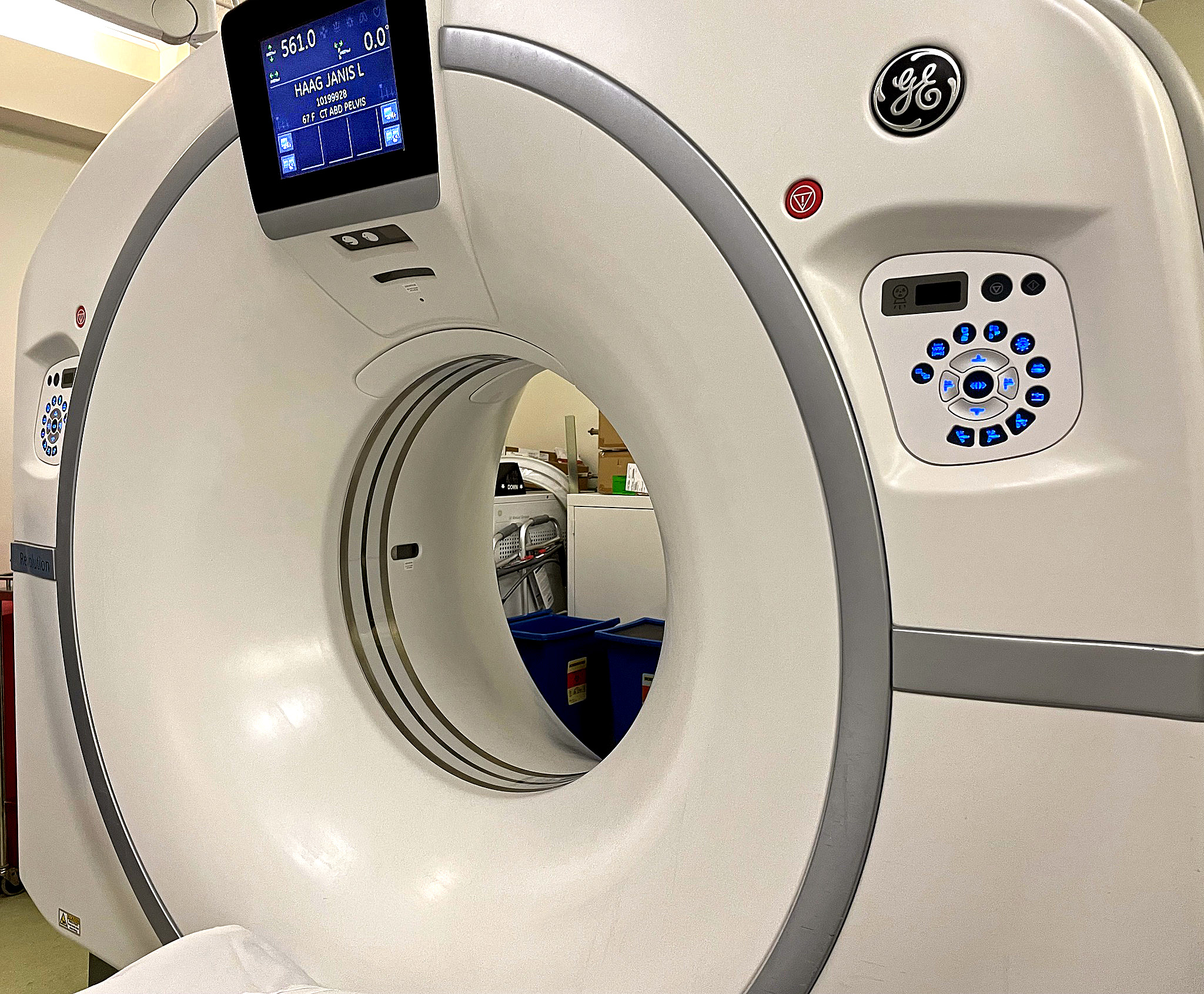
And after five days of lower gut pain and fever, I have slid through the doughnut of a CT scanner with my name emblazoned on top like a theater marquee to take pictures of my infected colon,
which three weeks ago, at this very hospital, was scoped out while I, deep in twilight sleep, had one of the best meditations of my life, floating through nirvana, not wanting to return.
And as I, too, receive my own IV cocktail, I hear the social worker tell the hesitant young woman, “I know it’s a Band-Aid, far from ideal, but we don’t want you sleeping on the street.”
And I think of my warm bed waiting in a house that I own, a big black and white kitty waiting, too, and, as I so often do, give thanks for my lucky, lovely life—as well as antibiotics for a momentarily unhappy colon—grateful that, in more ways than one, this, too, shall pass.
… If you were to collect the found art of your everyday life and honored it— the repetition, the patterns, the strangeness, the heartbreaking familiarity— well, then I think you would see that your ordinary life is actually quite extraordinary.
—Jamie Cat Callan
•••
The way you rummage through the sock drawer to find the just-right pair of identical charcoal gray ones.
How your tea choices change, predictably, with not only the seasons, but the temperature.
How you swept the kitchen floor before the front porch, then the back landing just outside the door, every day.
How, upon awakening, you listen for the bird that sang at dawn in the back yard, though it has been gone for years,
How you always knew, when the phone rang, that it was him. And he never believed that you did.
How all the dead loved ones visited your dreams, and sometimes, you remembered that they had.
What if your ordinary life was truly extraordinary, though you never realized it?
What if you got all the way to the end, and on a last breath you heard that single bird, calling you home?
Walking out of the grocery store not long before closing time behind three young people— well, young to me, as so many are these days—
I heard the young man in the trio say, “As far as I’m concerned, Sophie and me are already friends.”
They had been talking with the equally young night manager inside, and, scanning my two items, as I often do these days, my half-tuned ears perceived only part of their conversation.
But it was clear that between the four of them, they had people in common they were delighted to learn about.
And because I have given up the self-appointed job of grammar guru after decades of English professor-ing, debating about whether to end a sentence with a preposition (grammatically OK for years) and other rules that I once considered absolute, it did not even occur to me to mentally correct him:
“…Sophie and I…”
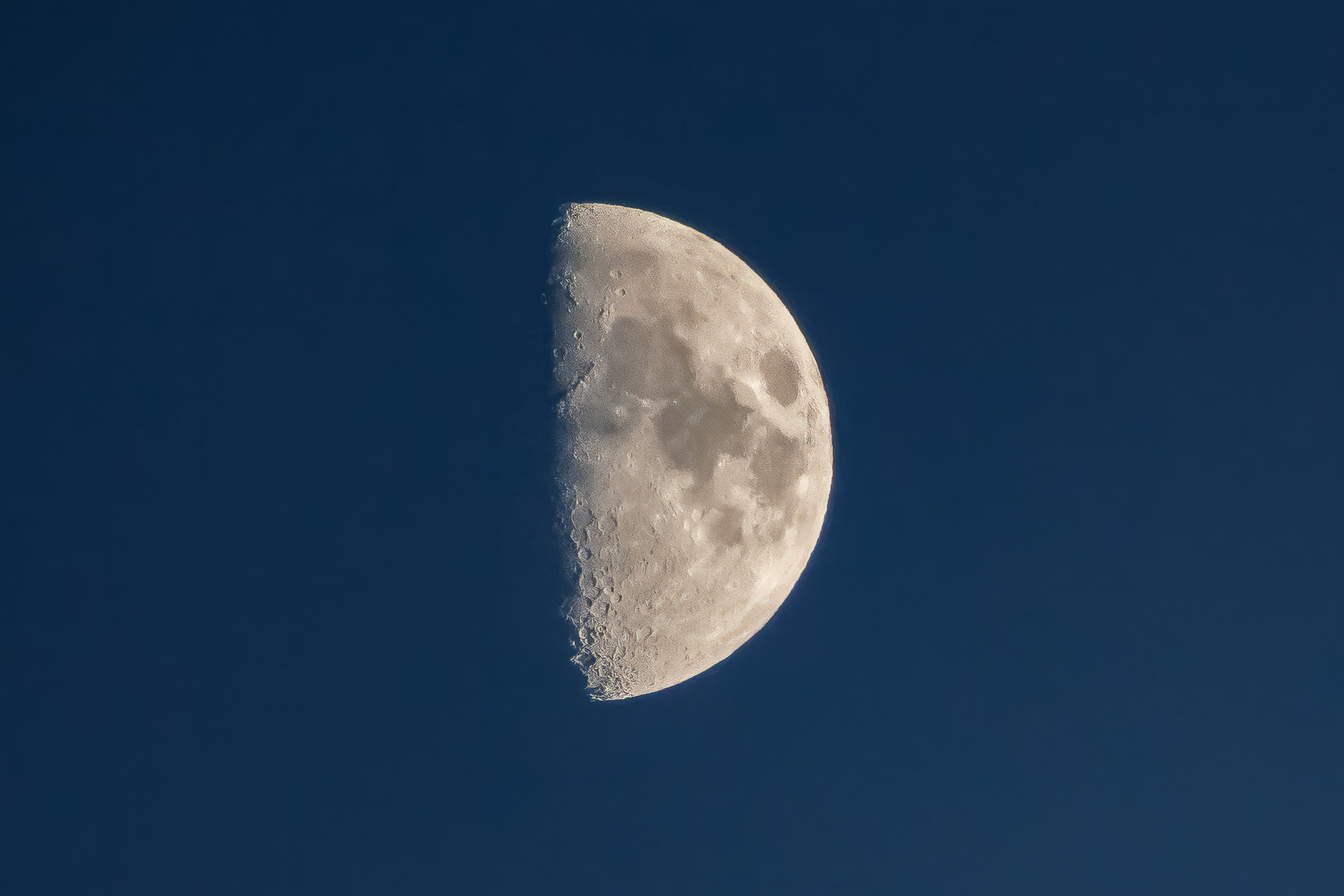
Instead, I grinned at them as I walked to my car, equally pleased that they had made such a nice connection on a cold winter night as the half-full moon directly overhead beamed down on us all.
We love them as who we are now. We love because that’s what’s left. —Alberto Rios from “Five Years Later”
Going through each drawer, each closet, opening every cupboard and pulling out the large and the small,
the tiny treasures and the humdrum— her nursing school pin, her mother’s wedding ring,
none of it can you bear to part with. Not her pie plates that caressed crumbly crust, cradled the smooth center of her cheesecake that was more pie than cake, your late brother’s perennial birthday request.
The box of her elementary school drawings and reports carefully penciled between faint blue lines on pages sheltered in the dark for six decades, still readable.
Every piece of sheet music neatly organized into binders she tucked into a bag and toted to church, propping them on the piano or organ, as required, thousands of weekly performances, accompanying singers, flutists, pre- and post-sermon, at memorial services.
Which pieces asked to be played at hers?
You must take apart the life of the one who made yours, whom you cherished beyond all others, this tearing apart of house that matches the rent in the fabric of you.
You, the adored daughter, bending to put your mother’s sweaters in one more box, offering things to helpers. Take it, take it! you plead, anything not to try to figure out where to put one more thing in your house, in your heart.
As if she’s not there already, circulating through you with every breath, her greatest gifts given to you long before you burst into the world, before she taught you to breathe.
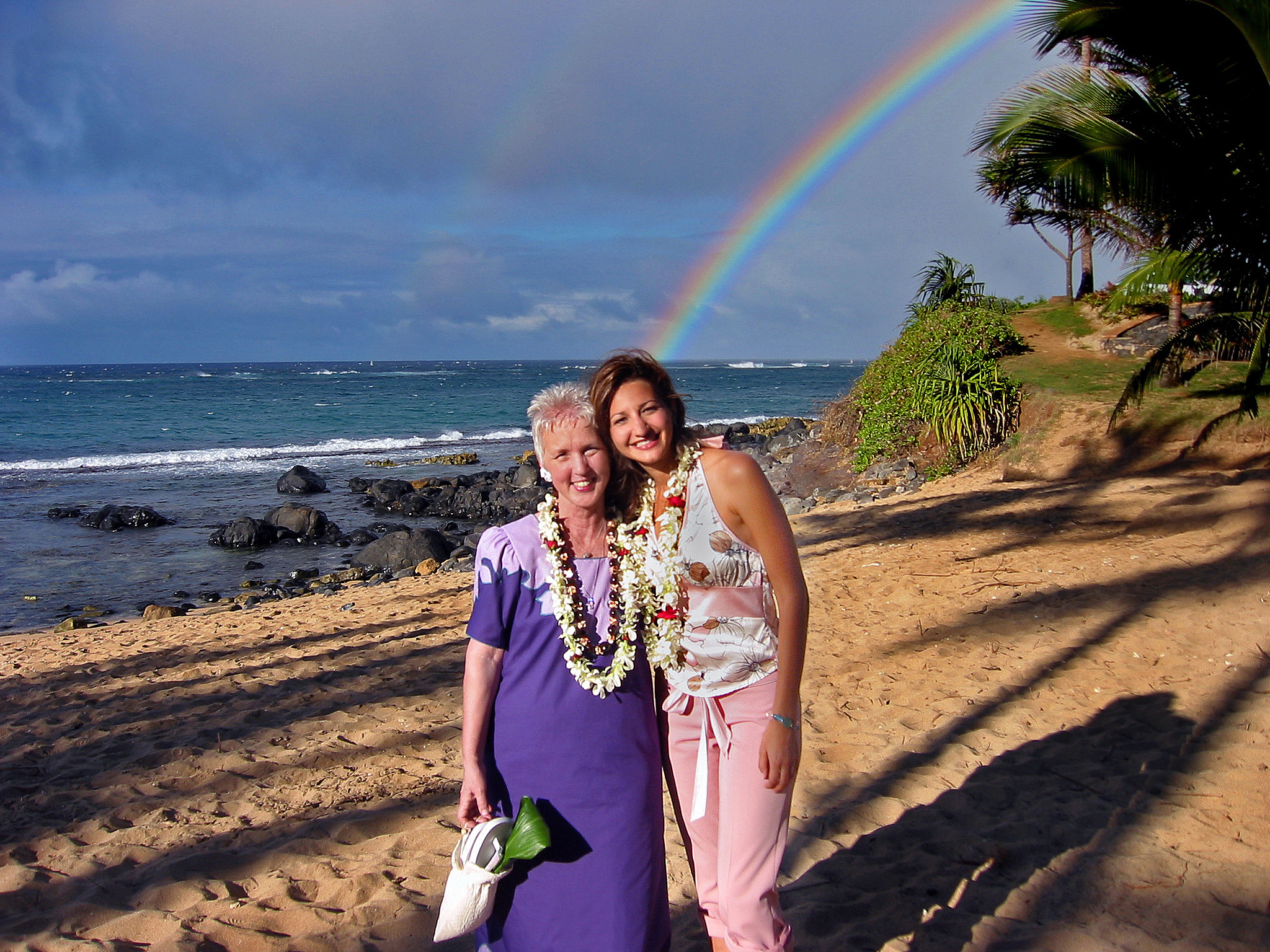
Rebecca Malekian and her mother, Margery Thompson, at the wedding of Rebecca’s brother, the late Mitchell Malekian, to Christina Honeycutt, Oct. 8, 2003, Maui. (And yes, that rainbow really appeared right there and then!) Photo: Uncle Dick Schmidt
(In memory of Sonya Hunter, July 30, 1941 –Feb. 17, 2026)
On my way down H Street to exercise on a rainy winter morning, my mind conjures summer mornings in my backyard, the heat to come lingering in the still sky, yoga mats spread beneath the big sycamore tree, several of us ladies flowing into a forward fold, then rising, arms overhead, to greet the day.
You came faithfully every time. Until you couldn’t.
Like the day when you said—so unlike you, without explanation—that you could no longer take care of my cats, as we had long done for each other when we traveled.
Only with benefit of hindsight did I come to understand that some part of you had begun to realize—though you did not have words for it—that this was the beginning of the slipping away.
And much later, when a group of your friends and I moved through your house, gathering what you needed to move north near your sister, we all wept.
I have missed your neighborliness ever since.
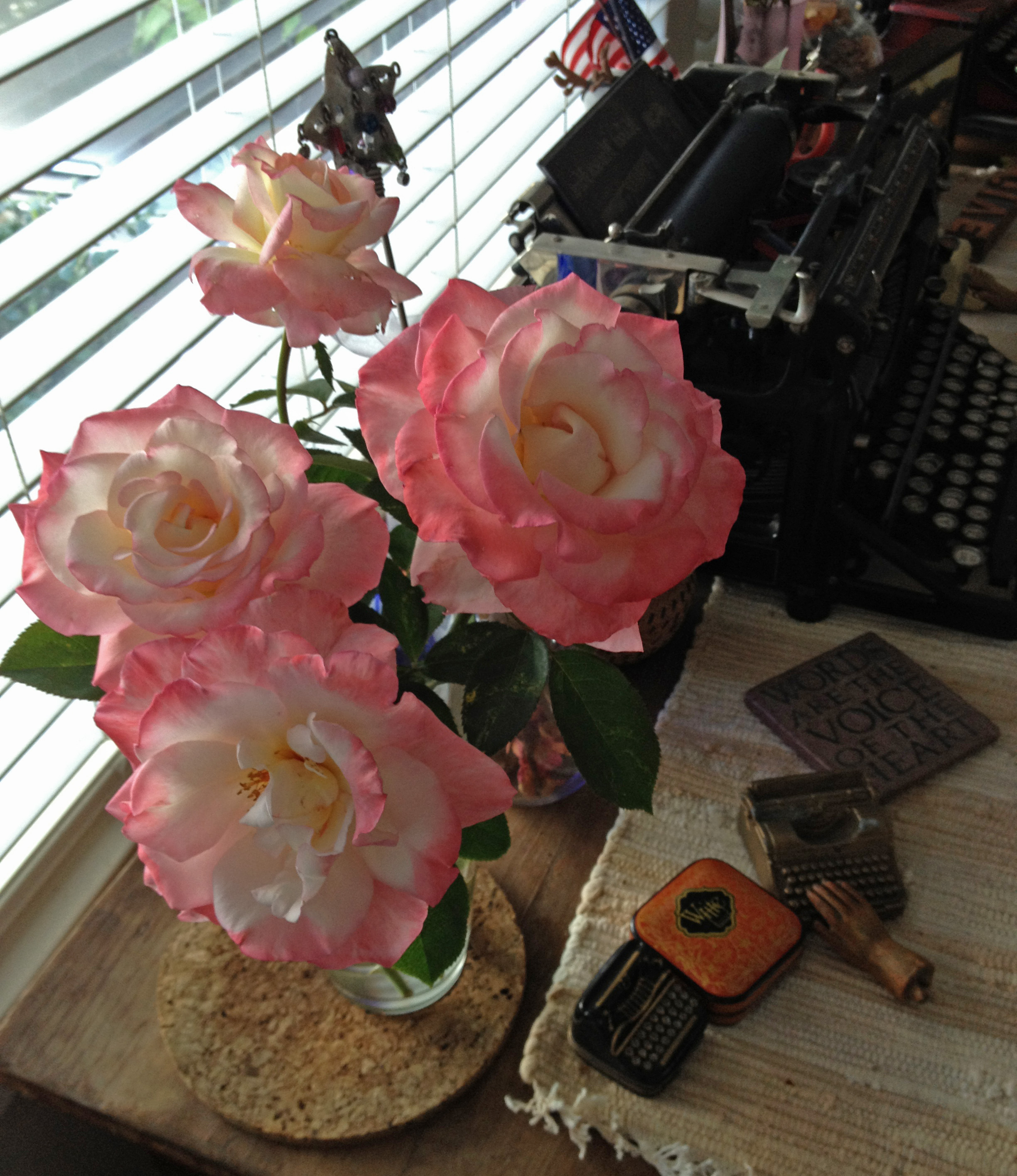
Today, after getting the call from your sister, I drive and sigh, wishing you roses, the bold Mr. Lincolns from your backyard across the street, a bumper summer crop for nearly five decades.
A profusion of roses, an explosion of deep crimson long stems interspersed with smaller pink and whites, several of the soft yellows, a literal bucket full, which, on more than one occasion, I came home to find on my porch, their fulsome blooms grinning at me,
which, with all my love, all my thanks, are what I send you in the after, wishing you well on your journey.


 Güd wrtr