Seven years after, I can’t count how many times I look at you
in a moment of fleeting irritation, when the blue of your eyes shimmers
just so, as it did when they blinked open the day I lost you,
and you returned thanks to the help of strangers.
And that tiny moth of annoyance flits away, softening me with
the simplest blessing: Here you are. Here we are.
No greater gift than these extra 2,555 days of us.
No matter how many more lie before us, we are here
in this eyeblink of evaporating moment, and I will embrace
every sparkling instant of now that we are given.
•••
For Dick Schmidt on the seventh anniversary of his cardiac arrest and rebirth-a-versary, with our thanks to all the helpers who brought him back to life and tended him in hisrecovery.
•••
And, if you like, you can read more about Dick’s Great Heart Adventure in 2019 here.
Dick and Jan, Palm Springs Art Museum, January 2026 / Photo: Dick Schmidt
(for Dick Schmidt, aka Uncle Duck, in honor of National Rubber Ducky Day)
When, as little kids, your niece and nephew christened you Uncle Duck, giggling over the clever wordplay, you were stuck.
Forever after, ducks appeared for birthdays and Christmases, many of them designed for bathtubs that you did not use—
ducks sporting a variety of headwear— baseball caps and police helmets, ducks as pilots and nurses, pirates
and hard hatted workers. I acquired some, too, by virtue of being your duckly consort—Queen Elizaduck I
with her red hair and ruff is a favorite. (I have passed on presidential ducks and a gruesome zombie duck with its
eyeball hanging out.) But it is clear to those who know you as The Duck that you are unique among webbed ones,
one who, every spring, flies to his neighborhood pond looking for those of a feather who have flown in
seasonally, some of whom lay eggs and produce ducklings that bob down the waterways just like
the rubber versions of their kind, un-hatted, fluffy balls with little fast-paddling feet. You take their
photos, Uncle Duck, chronicling the newest generation of waterfowl that may not yet recognize you
as one of them, as one of us, our favorite bird.
This 61-foot-tall “Rubber Duck,” one of many constructed by Dutch artist Florentijn Hofman, appeared in the San Pedro, California, harbor in August 2014. The ducks have floated in more than 30 locations across the world since 2005. Photo: Frederic J. Brown / AFP-Getty Images
It never had a formal name scripted across its stern. It was just “the boat,” or, since his demise, “Dad’s boat,”
though it was Mom’s color, turquoise across the broad bow and interior with white undercarriage,
late ’60s Silverline Rambler— which shared the garage with the turquoise Rambler station wagon—
inboard/outboard engine that moved all four of us effortlessly over the lake in the park across the road.
It’s still there in the garage, now turned over, along with the house, to the next generation. And oh, how my breath
caught when my sister and I walked in after the renovation to see, hanging on the old brick fireplace, a large art piece
created by the new woman of the house—the boat on the lake under stormy skies, sun gleaming its sides
as bright and clean as the day our parents trailered it home. I stood, gobsmacked, oh-oh-oh-ing, one hand
crossing my chest as if ready to recite a pledge, feeling him and her in that room with two generations of family they made,
all their mutual unhappiness washed away, just the love shining on the old boat rendered anew,
as if it had been there all this time, just waiting for my eyes to refocus enough to see it.
•••
For Ashley Redfield Just, who created this marvelous rendering of the boat, and Kevin Just, now caring for it in his grandfather’s stead, with deep appreciation from the Haag sisters.
In memory of our father, Roger Haag, and our mother, Dorothy/Darlene Haag, and the trusty Silverline Rambler, still in the garage.
And for my sister Donna and her husband Eric, who grew this family to perfection!
• In this case (because I have many), the “poet I greatly admire” is Rosemerry Wahtola Trommer, who publishes her daily poems here: https://ahundredfallingveils.com/
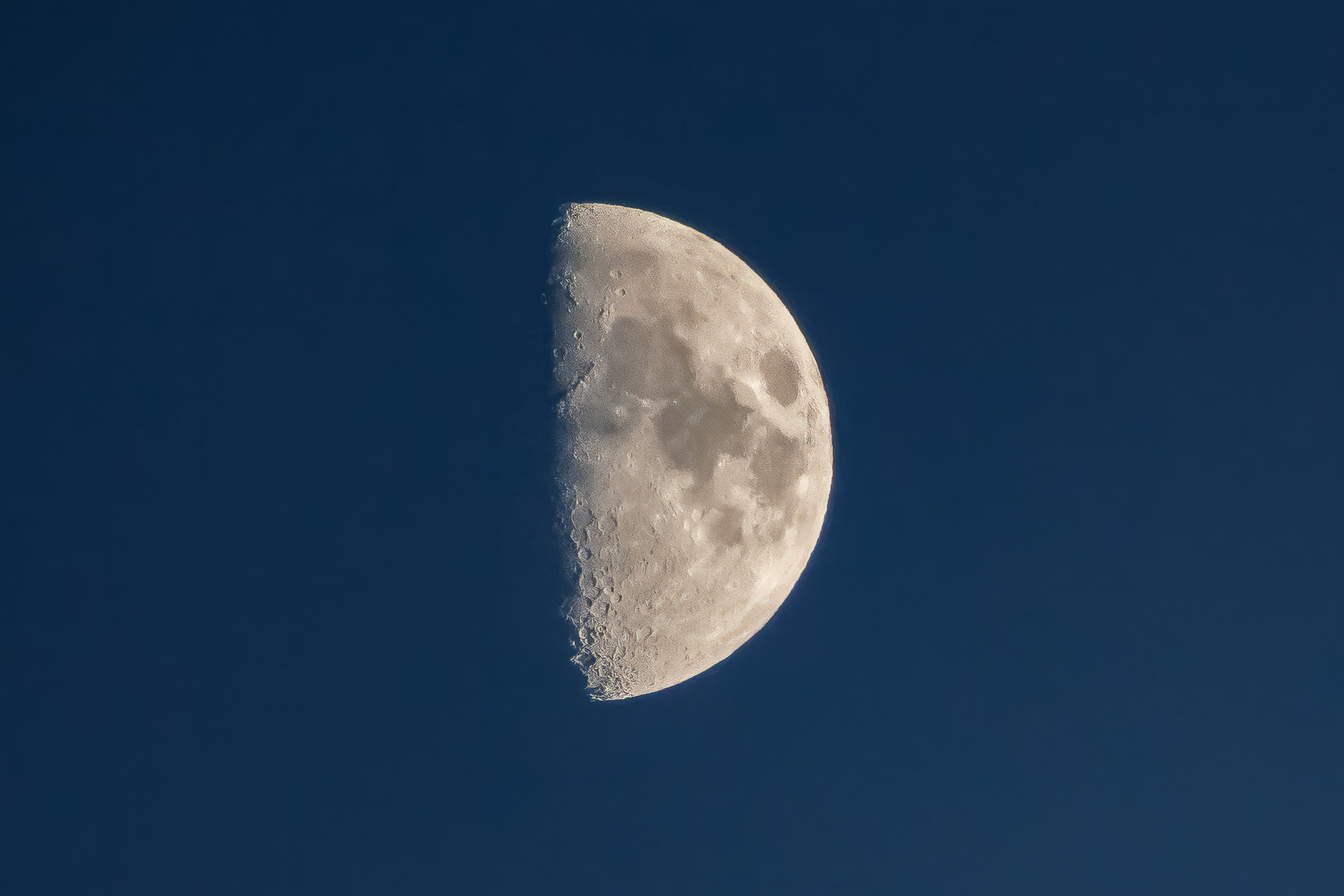
As Jupiter reaches opposition— when the giant of this solar system lies between our blue marble and the sun—
I will look up at nightfall and track its progress across the winter sky, closer than ever to Earth,
bright as a star. And should I have a telescope handy, as Galileo did, I might be able to see the four
Galilean moons, named for the Italian astronomer who realized in 1610 that they orbit
Jupiter, not our planet, providing solid evidence that, contrary to opinion, everything is not Earth-centered.
That a narrow vision of control, creating opposition where it doesn’t need to exist,
is a human-centered fixation like post-baptism bibles … plucked from street corners from the meaty hands
of zealots, as a young poet wrote six years ago, before her blood was spilled on American pavement,
when she wondered if science can coexist with faith and wonder. As I continue to wonder and look
for evidence of what can and cannot be easily seen on Earth as it is in the heavens.
•••
(In memory of Renée Nicole Macklin Good, Oct. 7, 1980 – Jan. 7, 2026. The words in italics are from her award-winning poem, “On Learning to Dissect Fetal Pigs,” which can be read here.)