On my way to Mom’s, I drive into Beals Point to admire the spectacularly full lake, the water rarely so high that seeing the vastness of blue submerging granite outcroppings winked with mica feels almost miraculous.
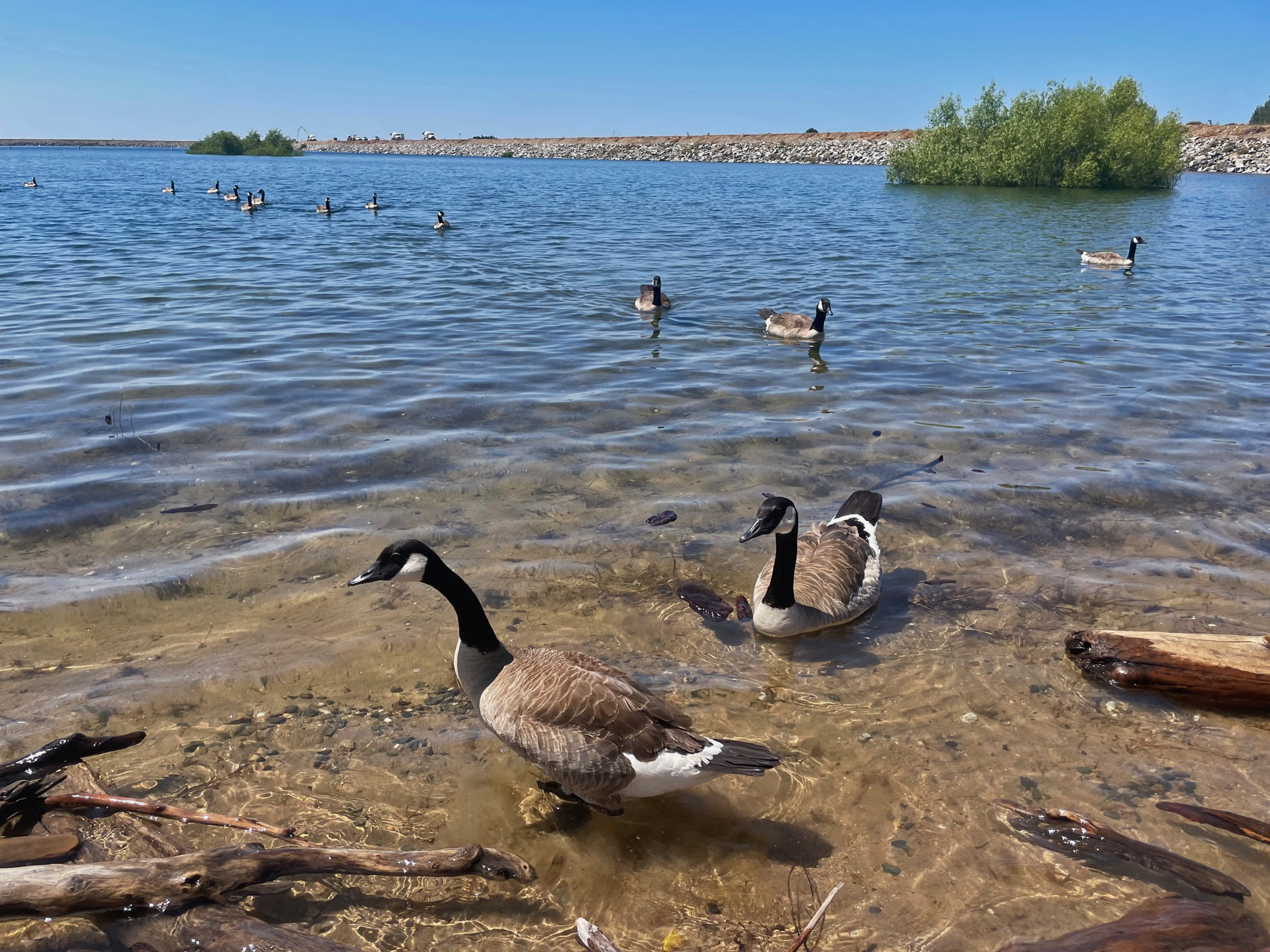
The flotilla of Canada geese looks happy, a giant flock of fifty sculling toward shore in a perfect line that my synchronized swimming team would have envied. They turn as if hearing a musical cue into the curved arm of shore where I stand like a coach watching their performance, their black eyes and matching velvet necks swiveling in my direction. I know what they’re thinking: human = food.
But I have come empty handed, and, because I talk to pretty much every living thing that approaches—walking, swimming, crawling or flying—I say most sincerely, I’m sorry I didn’t bring you anything.
One tall fellow gracefully rises to his feet in the shallows. Honk! he honks. I hold out empty hands. Really sorry, I say, and he flutters his feathered bottom back into swimming mode. As one, the flock moves on, looking, I presume, for shores with good grass to nibble— or perhaps more cooperative humans.
Later, after our Momday appointments, she asks me to drive her into what, after almost sixty years, I still think of as our side of the lake lapping up the trees and boat ramps of Granite Bay. Even from the car, we see the flock—still fifty strong— paddling the shoreline miles from where they started that morning.
There they are! I say, delighted by these residents, who, like me, might well be the second generation of their families to call Folsom Lake home,
who, if they are lucky, are taking in this beautiful summer day on the water with kin at their side—perhaps the ones who taught them to swim in these waters, who urged them not to worry about how deep or how shallow the blue, to trust that they will float, held by forces they will never see, but will support them all the days of their lives.
Part of the Folsom Lake flock at Beals Point / Photo: Jan Haag
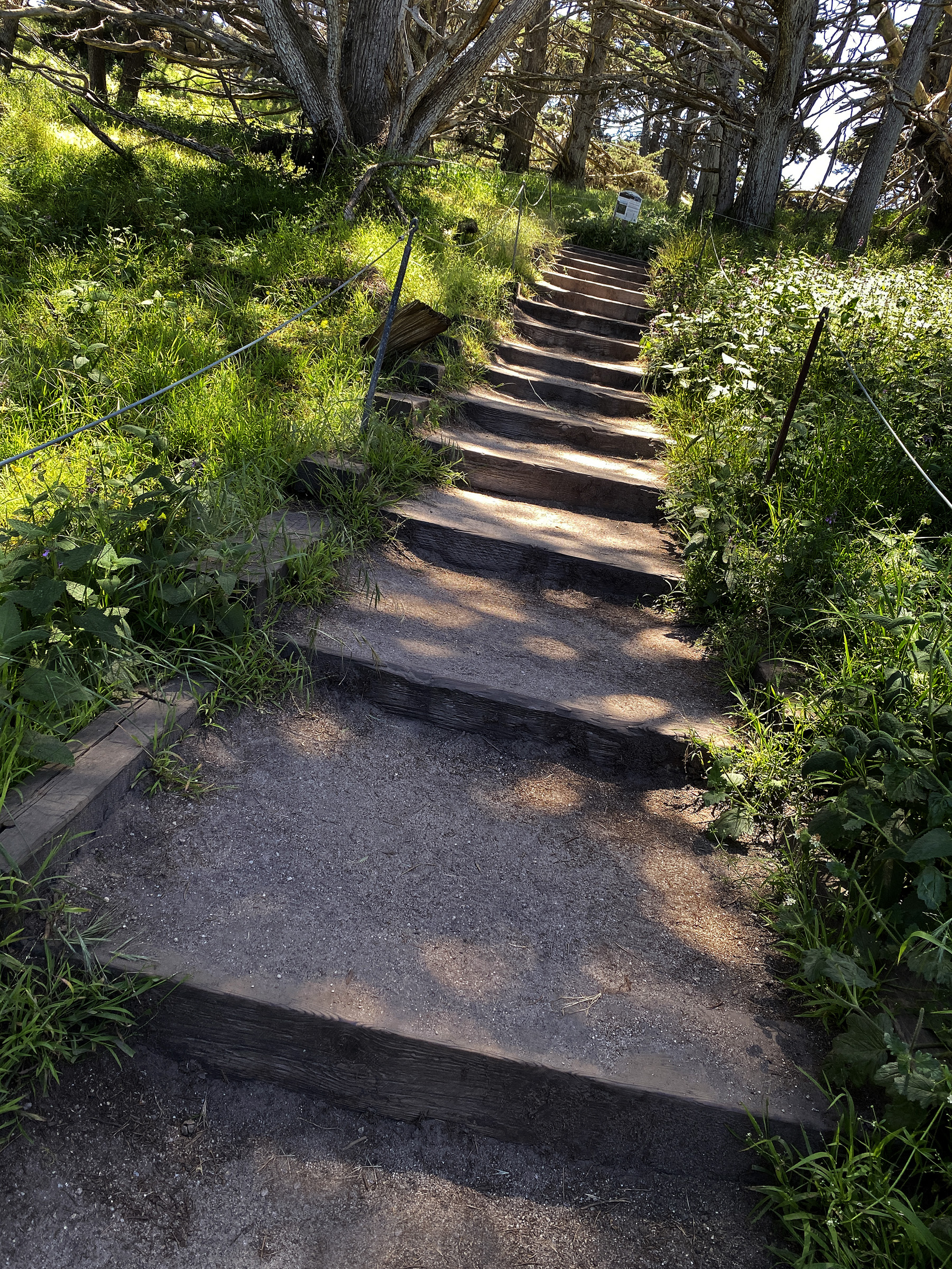
not today but some day, let it come without warning, say, as I walk a sweetly shaded path, coming to the first of several gentle packed-earth steps placed by thoughtful hands
and let the path be bordered in late spring green verging on summer gold under the most ordinary of trees, which, of course, only appear ordinary
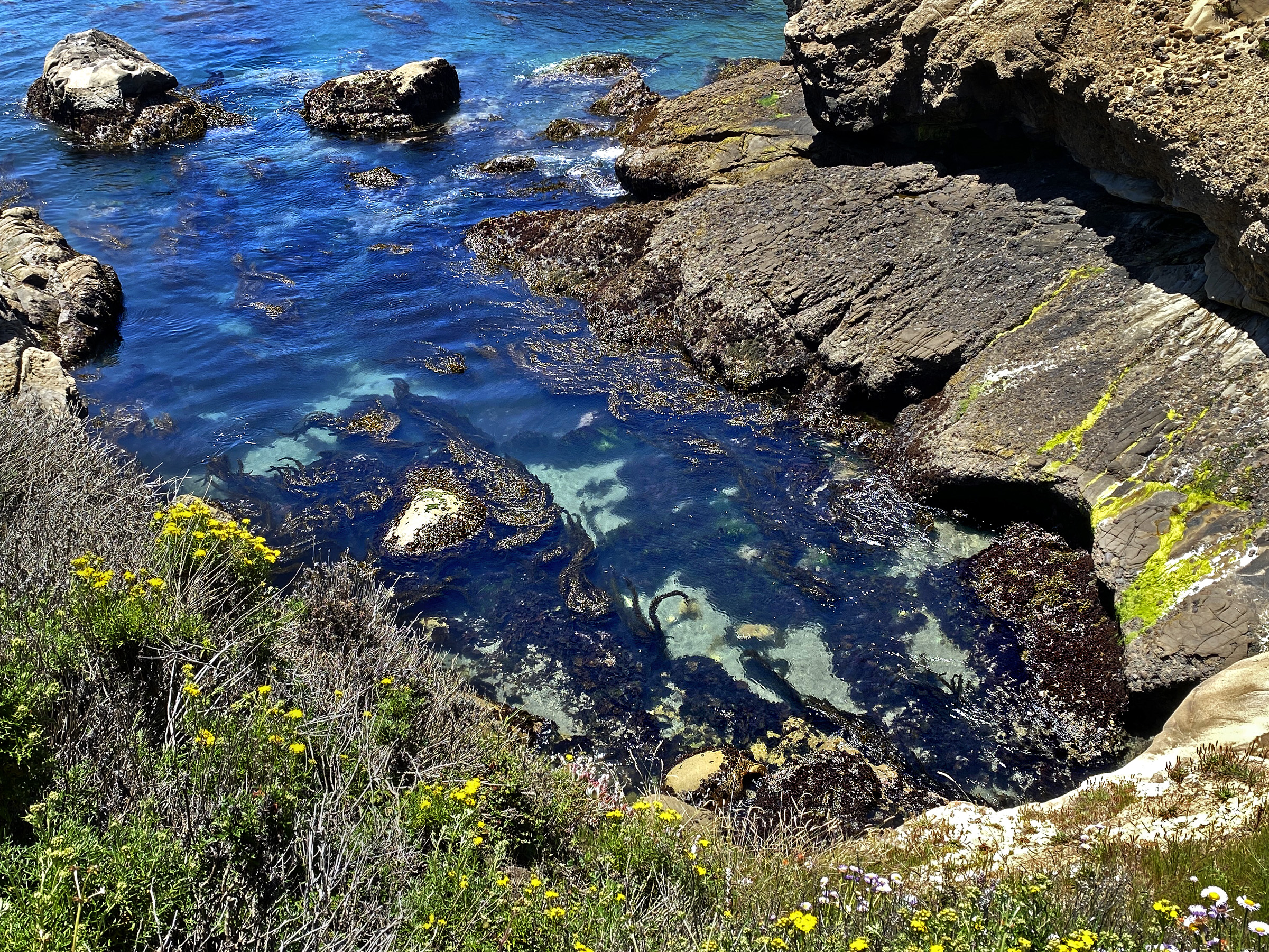
and let ocean sounds waft up the path, the lifeblood of sea meeting rock on which generations of sleek black birds have courted and nested and raised young
and out there over the deep blue let a small contingent of pelicans dip and glide
allowing me to fledge
—you were born with wings—
and at last take flight,
joining them in their journey into mystery
Pt. Lobos State Natural Reserve / Photo: Dick Schmidt
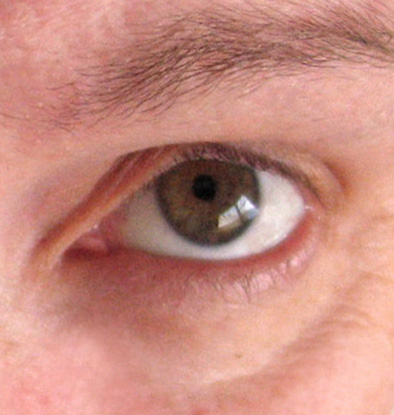
Dr. Janis peers through the magical machine that looks like a giant pair of glasses on a swinging pole— something Elton might have worn onstage in the 1970s— her eyes on the opposite side of the device inspecting mine.
She’s done this for years, keeping watch on conditions that, little by little, darken and narrow my view. Some can be helped; some cannot.
The eye, she tells me, is as plump and translucent as a pearl onion when we are young, allowing light to easily pass through the dome- shaped cornea that helps us focus, through the pupil and the lens, to land on the retina that turns light into electrical signals, zings them through the optic nerve to the brain, which translates them into images.
As our eyes age, she says, the supple layers of onion harden and yellow, making it harder for light to reach us.
As she looks deeply into my eyes, I think of my aging layers of onion, wishing that I might gently peel off the crackly covering as easily as slicing into a fragrant bulb to make soup, somehow returning the pearly onions of my youth to my ocular field.
No wonder I cry when I take apart an onion, watching its tightly bound sections loosen and fall on the cutting surface. I weep as I inhale its aroma, as I chop it into small pieces that will vanish when they morph into soup, becoming something I can no longer see no matter how hard I look.
•••
for Dr. Janis Lightman, O.D., with much gratitude
•••
The magical machine that eye care professionals use to determine an optical prescription is called a Phoropter, a device invented more than a century ago. It measures refraction or how a lens should be curved and shaped to correct vision.
Even with the car’s A/C pumping its little compressor heart out, I feel my left arm burning through the driver’s side window, having left the cool coastline, speeding just a little over the I-5 limit north toward home on the second century-plus afternoon of the summer.
Next to me he says, It happens, the one who is not thrown by temps I deem too high or too low. Get used to it, Janis, which is funny from one native Californian to another, one of us a former lifeguard on a pool deck that routinely hit 100. My idea of a perfect summer day is 90ish with a breeze.
But every degree over 100 feels like 5, and his Honda A/C is not remotely keeping up its end of a bargain it probably doesn’t remember making, which to me is:
Cool when we need cool; heat when we need heat already.
Finally I give up, exit to locate a chain diner with decent bathrooms— but also, as it happens, with struggling A/C.
Get used to it, I tell myself, as if I’m not. Our hots are getting hotter, our colds colder, and, as I first heard from a high school biology teacher in the early 1970s:
It just might be too late to turn this ship around—this ship we didn’t build but figured out how to ruin in a century or so.
On days like today, I can envision the ship of the world ending in fire, not ice, which, as Mr. Ford said, might not be a bad thing. Give the planet a chance to recover once we humans are out of the way.
Hit reset. Start over. Perhaps with new beings who won’t be so greedy, so dismissive, who insist it isn’t so, who won’t be—please, climate gods— like us.
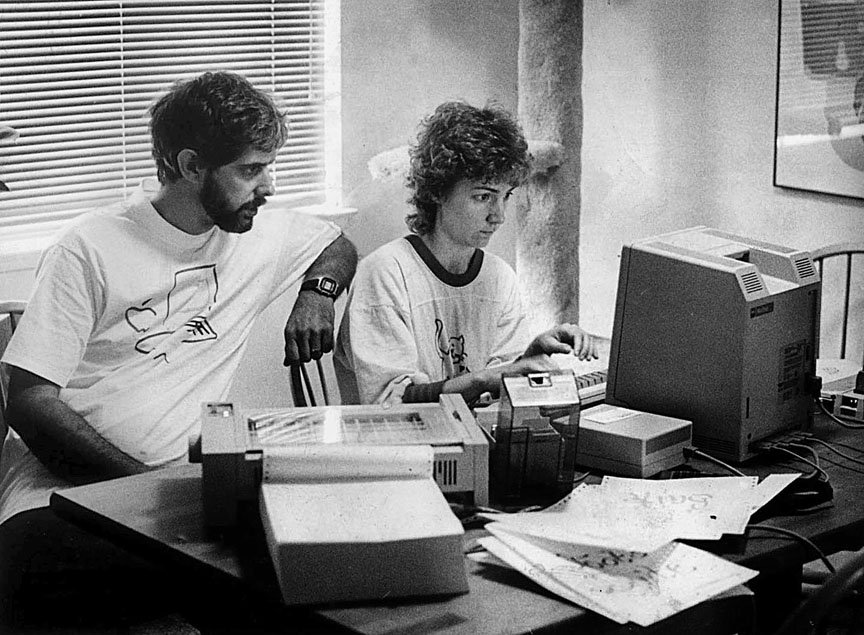
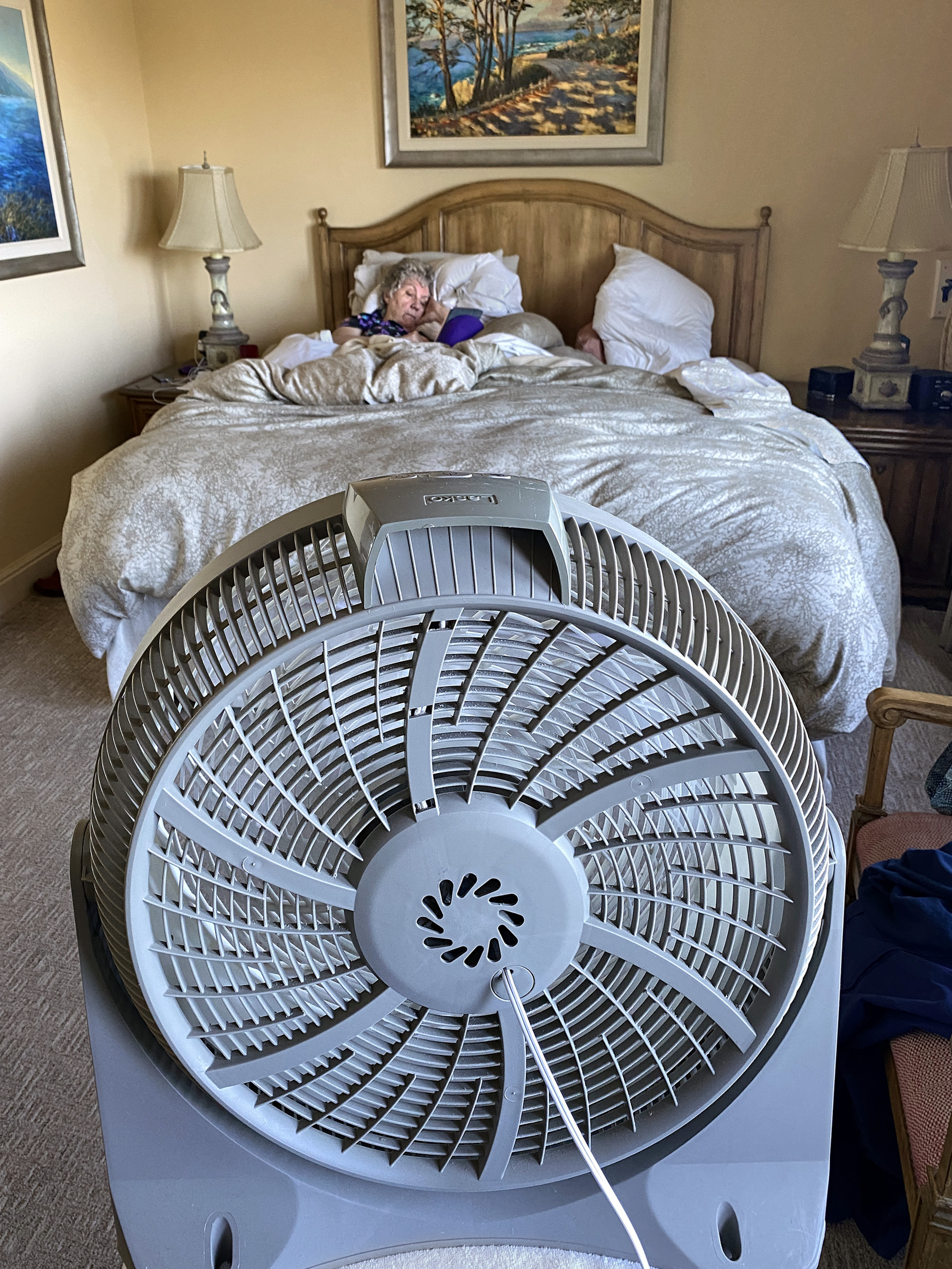
Big fan and Jan, Carmel, California / Dick Schmidt






 Güd wrtr