
Your transition stanza is much
like a bridge in a song, cleverly
changing from gray to blue,
someone writes in a comment about
one of my poems, and, admiring
her nice simile and specific color
images, I take a teacherly
moment to tell her that poets call
such a transition a “turn.”
She reacts kindly, but then, for days
I think, There’s another term for that,
a lovely, poetic word, but instead
of searching for it in a book wedged
tight between dusty others on one
of the poetry shelves in my library,
or allowing my fingers to type “turn”
into a search bar, I decide to wait,
to see if somehow the over-full hard
drive that passes for my brain might
spit it up like a hairball when I’m not
expecting it. Days bumble by,
other turns singing in my head:
Turn around, and you’re a young girl
going out of the door, and
There I go, turn the page, and
To everything turn, turn, turn…
but the word doesn’t arrive until
the hinge of a mostly-forgotten sonnet
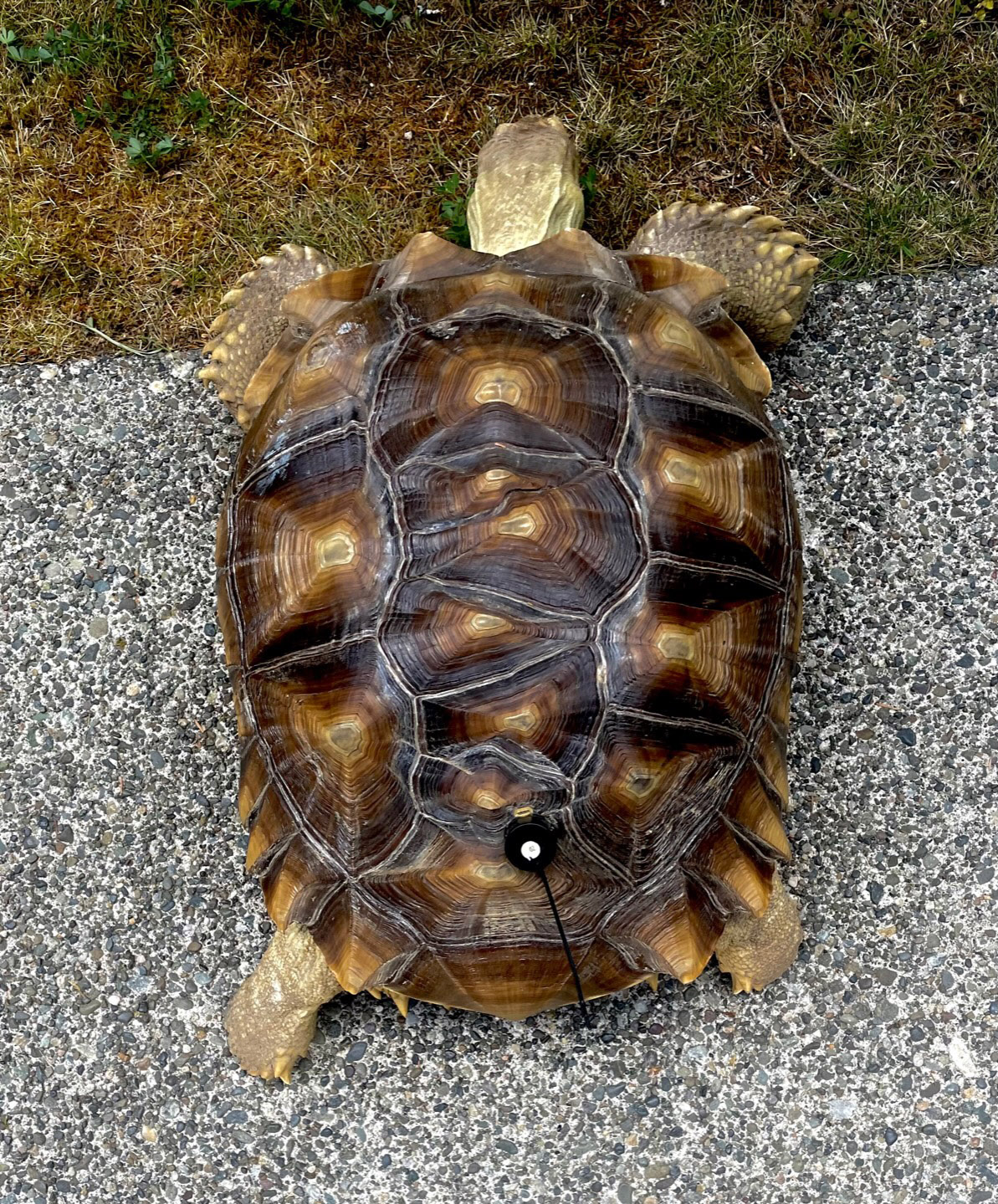
tortoise-crawls into my mind,
leading to the last, lovely couplet:
But if the while I think on thee, dear friend,
All losses are restor’d, and sorrows end.
And the Italian word leapfrogs 400 years,
it seems to me, from the ghost of the bard,
who didn’t invent but certainly employed it:
volta. Oh, yes. Volta.
The fulcrum on which a sonnet turns,
and other poems, too, the shift into
a final change of thought, heading off
into verse-filled left field, a device
to hang on a but or a however, or,
in this case, a yet—not as in
yet how porous my aging brain—
but yet here comes the volta, marching
toward the end of the poem,
all by itself, no help from me,
my reptilian nails scratching as
I plod along, no longer trying to
keep up, but delighted that one of
my loosened marbles has rolled
back in, reminding me of just
how much I once knew.


 Güd wrtr
And I learned a new word! Volta! And I love the word fulcrum.
Love,
Amrita
Thanks, Amrita! You do voltas very well in your poems!
Oh, that’s good news. I often feel it’s lacking…
Oh my, Jan. So much to love here… The tortoise reference, the leap-frogging….. but mostly the decision of the narrator to live in hope… that her brain might spit the word up like a hairball.
In the meantime, days bumble by. Days bumble by?!?!?! Yes, days bumble by.
You are a wonder. XO, Susie