Which sounds related to crows,
as in “corvid,” which they are in a way,
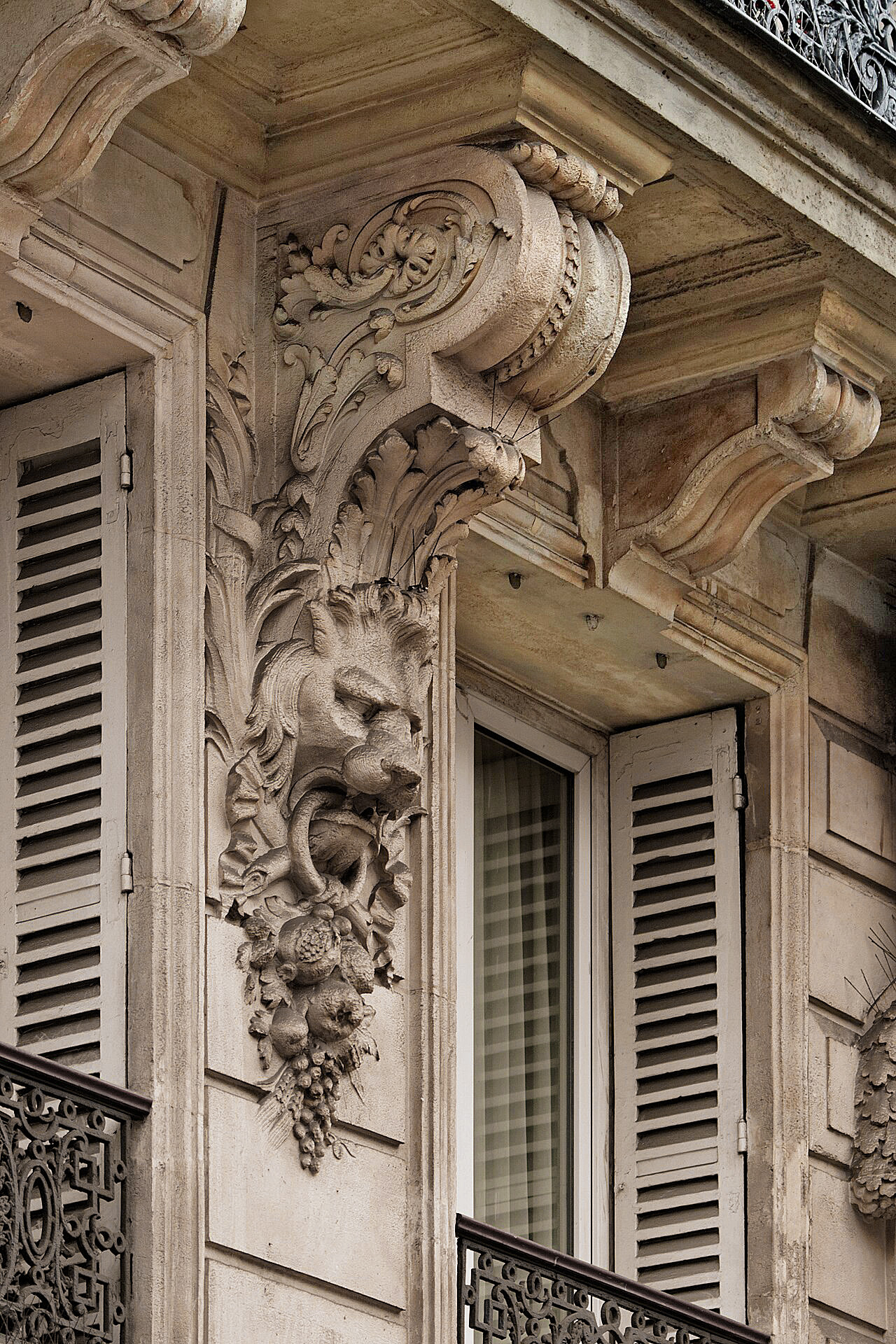
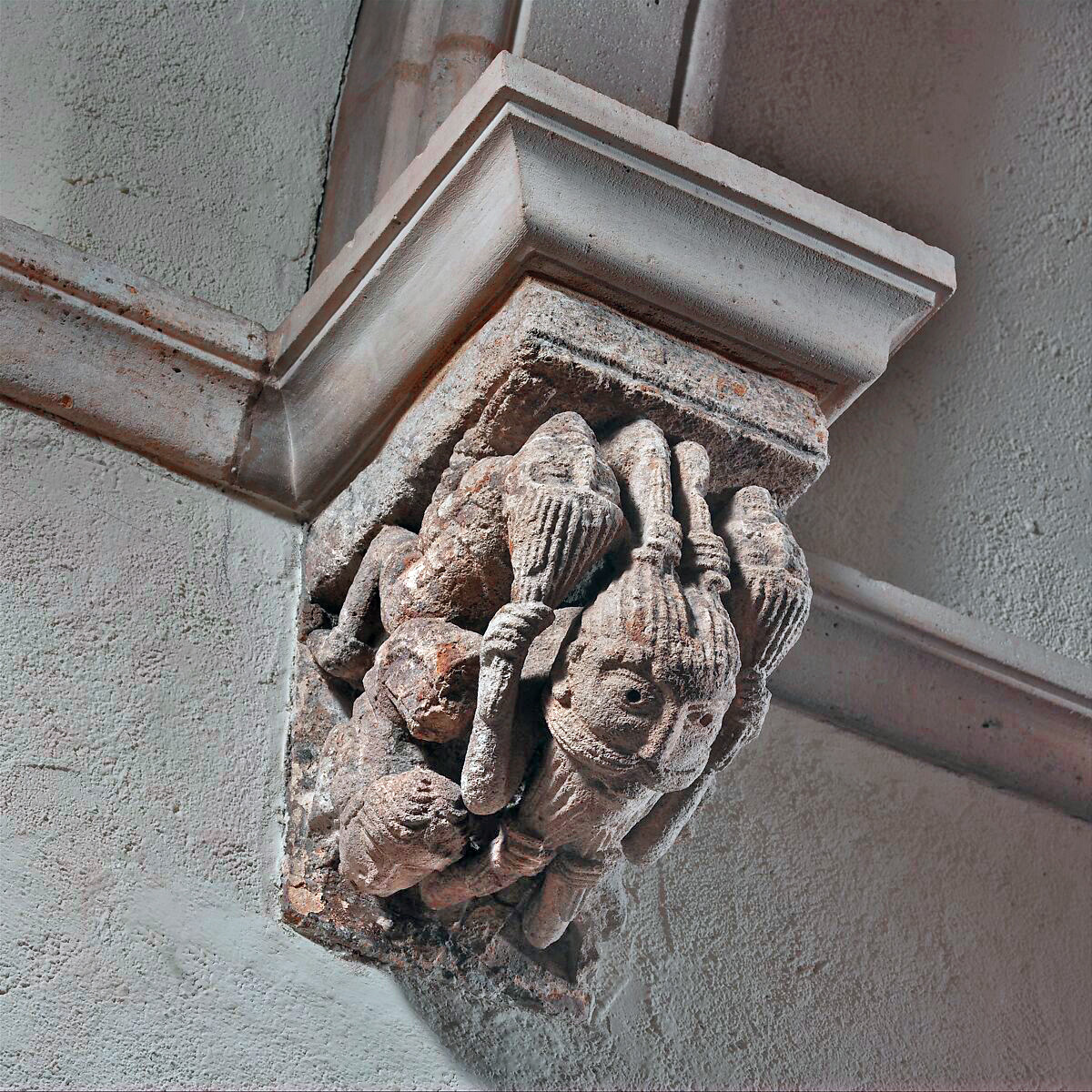
carved stone supports projecting
from walls to support weight, often
colossal weight of great structures—like
cathedrals’ massive arches and beams.
A corb in old French was a raven, and
corbels resembled the hooked beaks
of the massive black birds and their
smaller crow cousins. Which leads me
to think of all the silent, sturdy supports
I take for granted, like corbels
underpinning medieval buildings
for nearly a thousand years. Not unlike
crows that surely land on some
of those ancient corbels, or their American
relatives I see every day on my street,
pecking hot asphalt for anything edible.
We are held by the unseen—like my
Neighbor who each morning quietly
sprinkles birdseed on the corner
for hungry avian friends. Like you
and you and you, my great footholds
in the world, cornerstones that
serve as the bedrock of my existence,
my corbels, without whom I could not
touch down nearly as solidly,
always offering a safe place to land.