
When people ask me if a poem has to rhyme, I usually tell them, no, of course not. A poem can have what’s called “end rhyme” (when words at the ends of lines rhyme with other lines, often changing rhyme as the poem progresses), or not. I typically write poems without end rhyme, a set rhythm or line lengths (free verse, this is often called).
In other words, I ramble.
But Irish poets Jenny Cox and Kevin MacAlan steered me in another direction. Jenny writes with my online writing group when she can from her home in Clonmel, Ireland (evening for her, late morning for me), and in addition to being an Amherst Writers & Artists writing facilitator, as I am, she organizes poetry readings and events in her area.
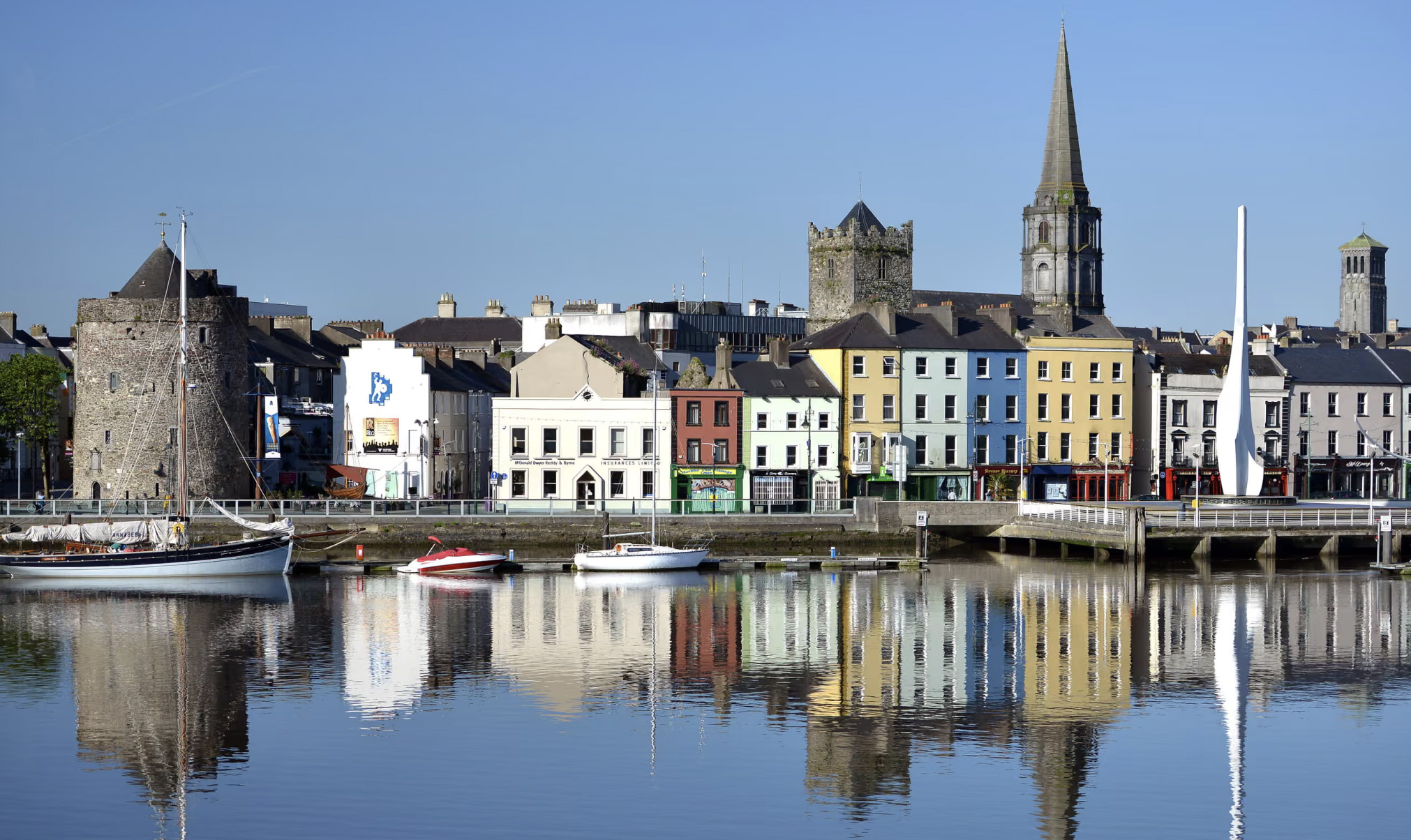
Her friend, Kevin MacAlan, lives in Waterford (Ireland’s oldest city), and he cooked up a new kind of rhyming poetry reminiscent of the limerick (also the name of the third most populous city in Ireland). Kevin organized the first competition three years ago for people to try out the new form, and Jenny encouraged her American friends to try it, too, and submit Waterfords, as he’s named them.
Waterfords go like this, as Kevin explains (appropriately) in a Waterford:
The Waterford is hard to write, (eight syllables)
you have to count (four syllables)
the right amount (four syllables)
of syllables and lines: It’s tight! (eight syllables)
They’re quattrains (if you want the fancy poetry term for a four-line poem) with an ABBA (not the singing group) end rhyme scheme. That is, the first and last line rhyme, and the second and third lines have a different rhyme. Waterfords are shorter than limericks (aka, Irish haiku) with 24 syllables.
I decided to give it a go, and eventually submitted several Waterfords to the third annual contest. Much to my great surprise, I got an email saying that one of my poems was longlisted and would be read aloud at WaterfordRhyme26.
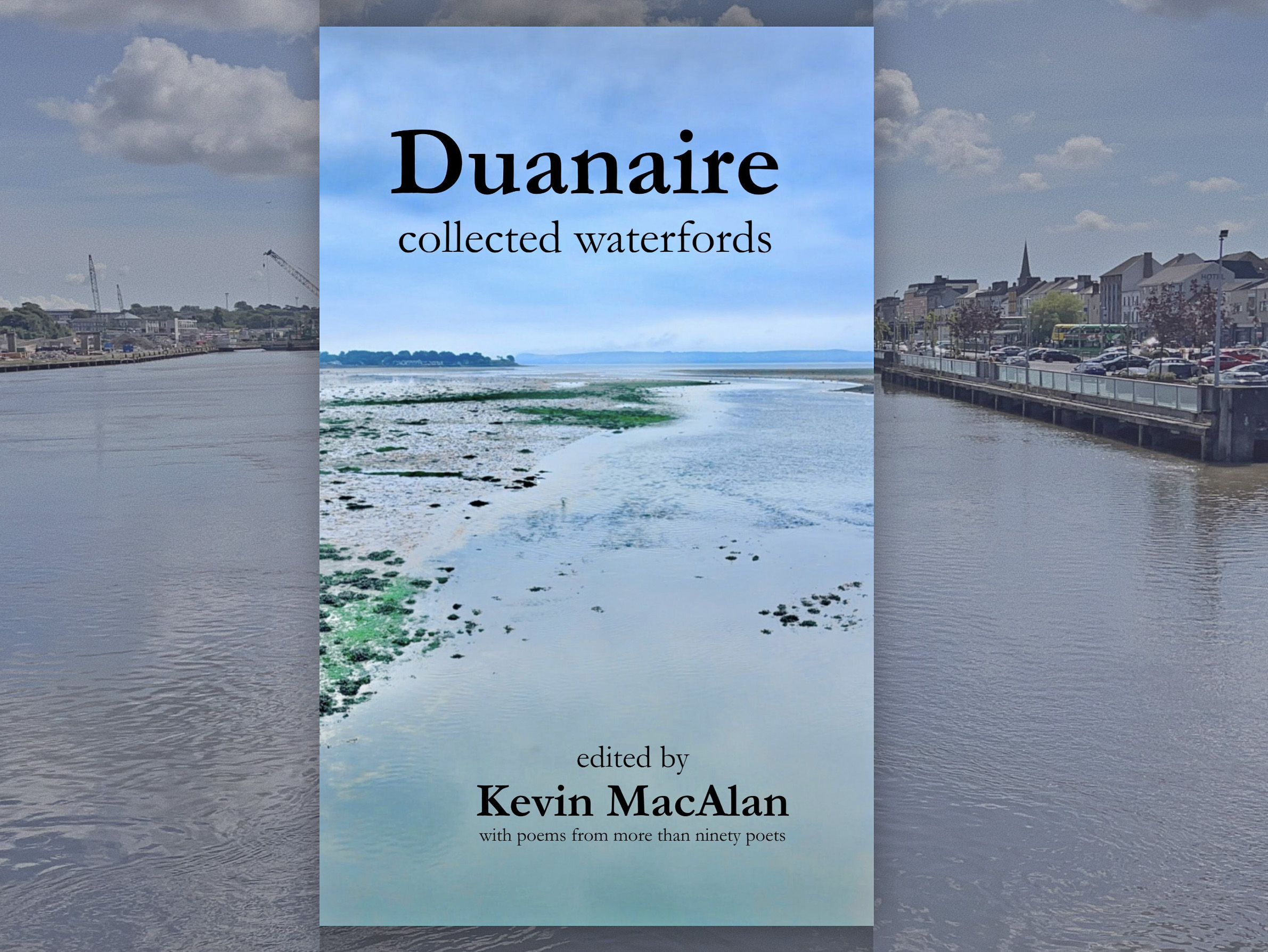
Then I got a second email saying that one of my Waterfords was one of ten winners and has been included with two of my others in a Waterford anthology called Duanaire (literally “poem-book” in Gaelic), which debuted at a reading Aug. 29 in, of course, Waterford.
I’m beyond flattered. On my side of the pond I’m basking in the ethereal applause of my Keeley ancestors—especially my maternal grandfather James Keeley, who was convinced that my youthful poems and stories showed remarkable writing ability.
I don’t know about that, Grandpa, but I have to say that I’m honored to be included in a collection of a uniquely Irish form of poetry. Great thanks to Kevin MacAlan and his team of folks who organized the contest and the anthology, as well as to judge Molly Twomey and my friend Jenny Cox, who nudged me into this delightful form of poetry.
Here are my Waterfords in the anthology, including “Pollinators,” which was one of the ten winners.
Pollinators
Soft susurrus of wind through trees
now that spring’s here,
sweet time of year—
literally, it’s the bee’s knees.
—
Gusty
Wicked wind sets trees to dancing.
When the boughs break
A mess they make,
But their shimmy is entrancing.
•••
Rosie
That sweet girl smile, all of a year,
she babbles bright,
her eyes alight.
We’re biased, but she’s such a dear.
•••
You can learn more about Waterfords here.


Congratulations Jan! Thank you for introducing us to this love child of the limerick and haiku. Gracie is on a mission to practice and perfect a waterford thanks to your inspiration!