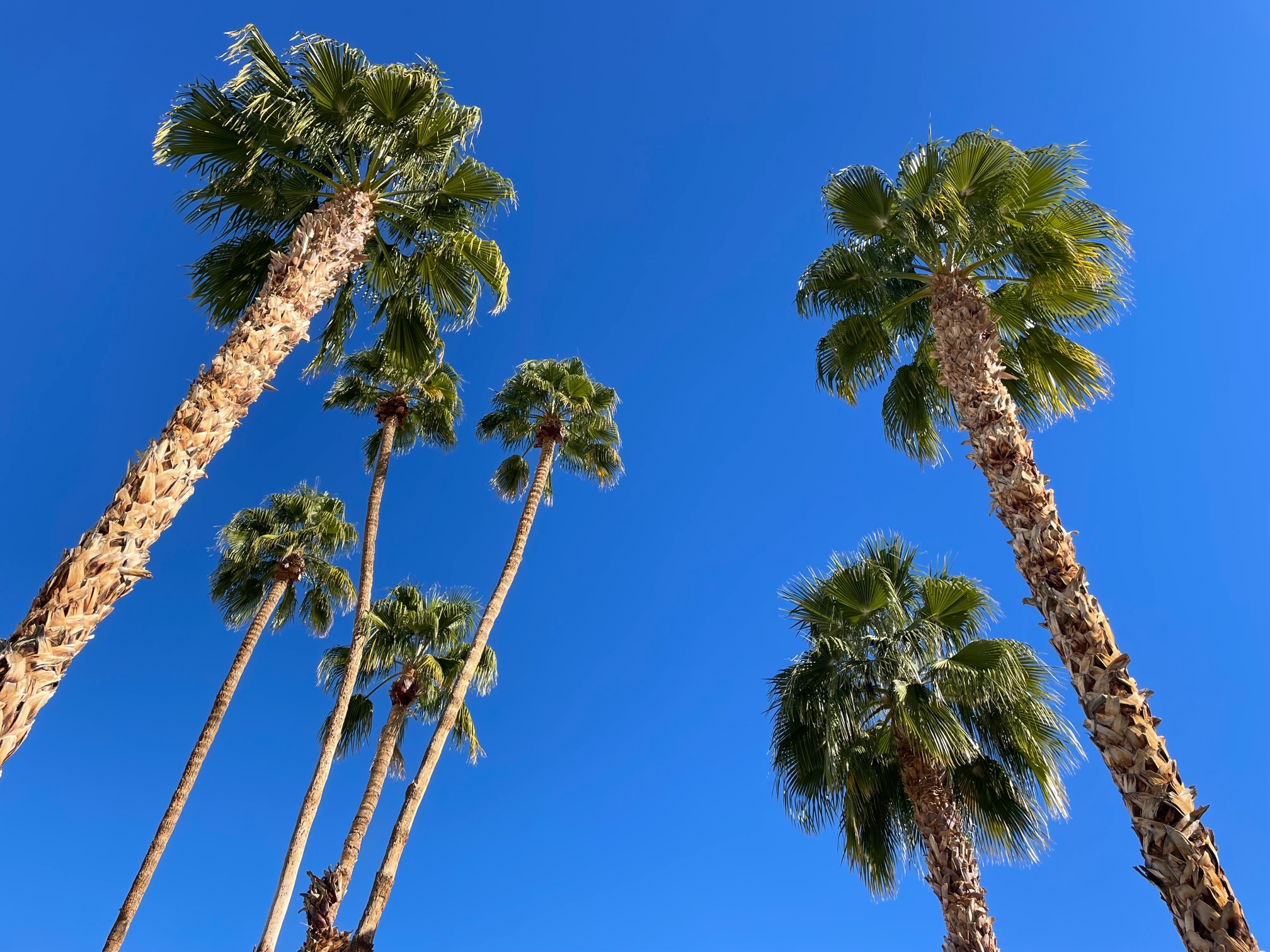
Actually, from where we sit, on the patio in the warm (southern) California sun, we see at least 20 shaggy heads rising high into the blue on long columns, their pendulous leaflets swinging freely in the merest breeze.
The seven closest seem perfectly arranged, a small choir of California fan palms singing their hallelujahs and hosannas, their fronds huddled at the top, an open crown pointing skyward—
not of thorns but of life-giving green fanning the quiet, as we sit and listen to this day we’ve been given, one overseen by wise ones like these, beloveds we cannot see, whispering, peace, sweet peace, and goodwill to all.
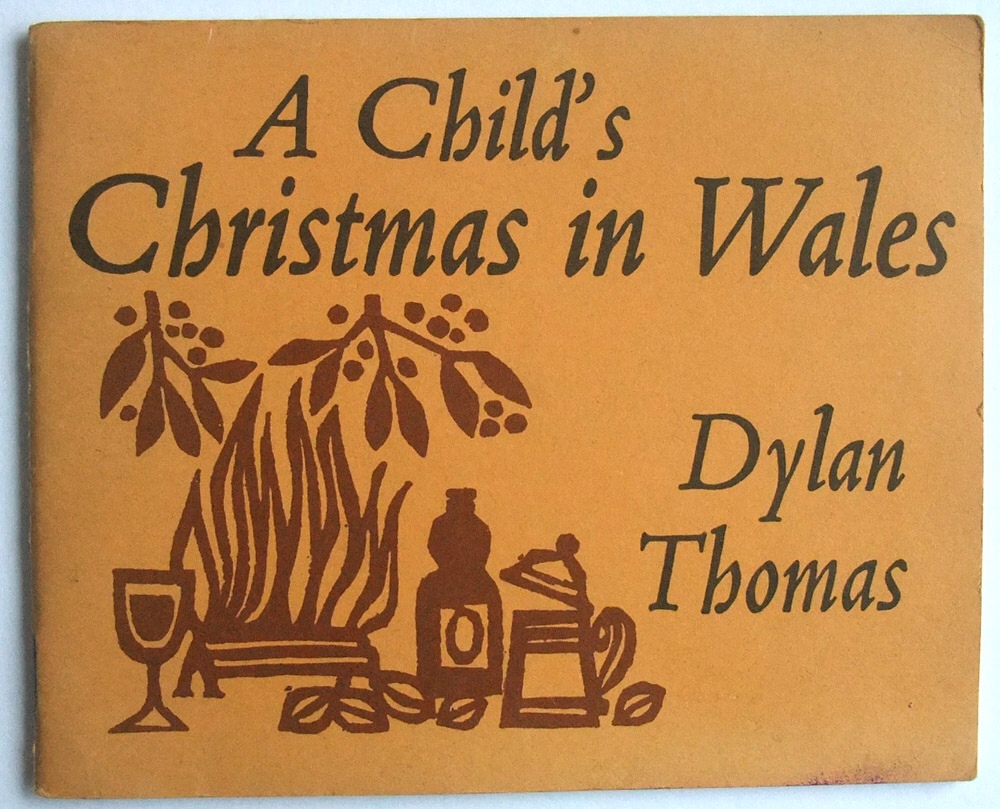
I said some words to the close and holy darkness, and then I slept. —from A Child’s Christmas in Wales, Dylan Thomas
In that close and holy darkness, yours, may memories arise in dream form:
the wool-white bell-tongued ball of holidays resting at the rim of the carol-singing sea,
in a long ago, faraway place that lives uniquely in you, one that arrives in sleep:
the Eskimo-footed arctic marksmen in the muffling silence of the eternal snows…
birds the color of red-flannel petticoats [that] whisked past the harp-shaped hills…
the stories re-given, as you knew them then:
…snow grew overnight on the roofs of the houses like a pure and grandfather moss, minutely ivied the walls and settled on the postman, opening the gate, like a dumb, numb thunder-storm of white, torn Christmas cards over the frozen foam of the powder and ice-cream hills…
You see the useful presents, the useless presents, the uncles and, not least: … Auntie Hannah, who liked port, stood in the middle of the snowbound back yard, singing like a big-bosomed thrush.
You once again with your pals who have not aged, have not passed into mystery, are as alive as new leaves, which lie still under bare branches for a while yet.
You remember the words to “Good King Wenceslas” and his feast of Stephen, and sing, your children’s voices high and seemingly distant in the snow-felted darkness.
It comes to you that everything was good again and shone over the town…
which, with luck, you will bring with you from the close and holy darkness into wakefulness,
grateful for the lasting gifts.
(Words in italics from Dylan Thomas’ short story, “A Child’s Christmas in Wales.” You can hear a 1952 recording of Dylan Thomas reading the story here.)
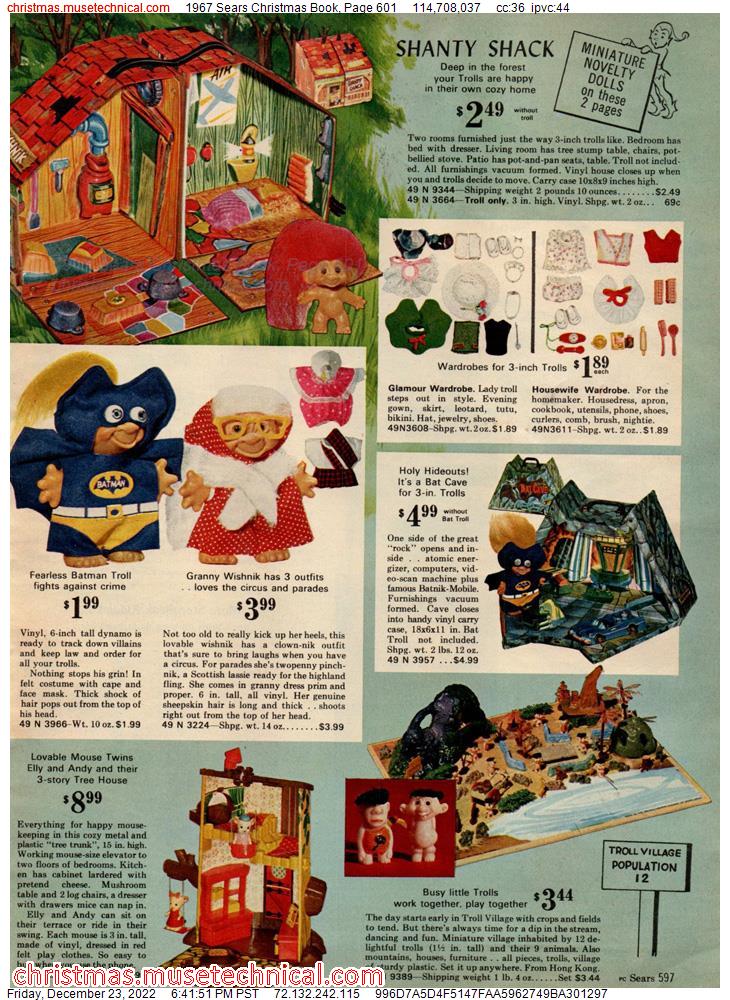
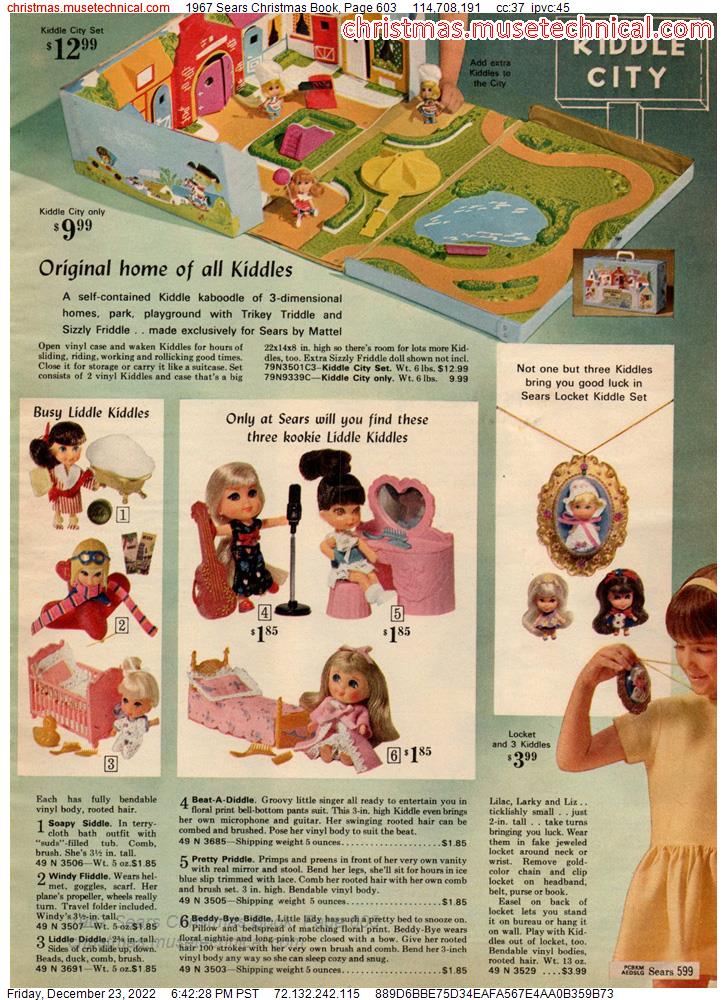
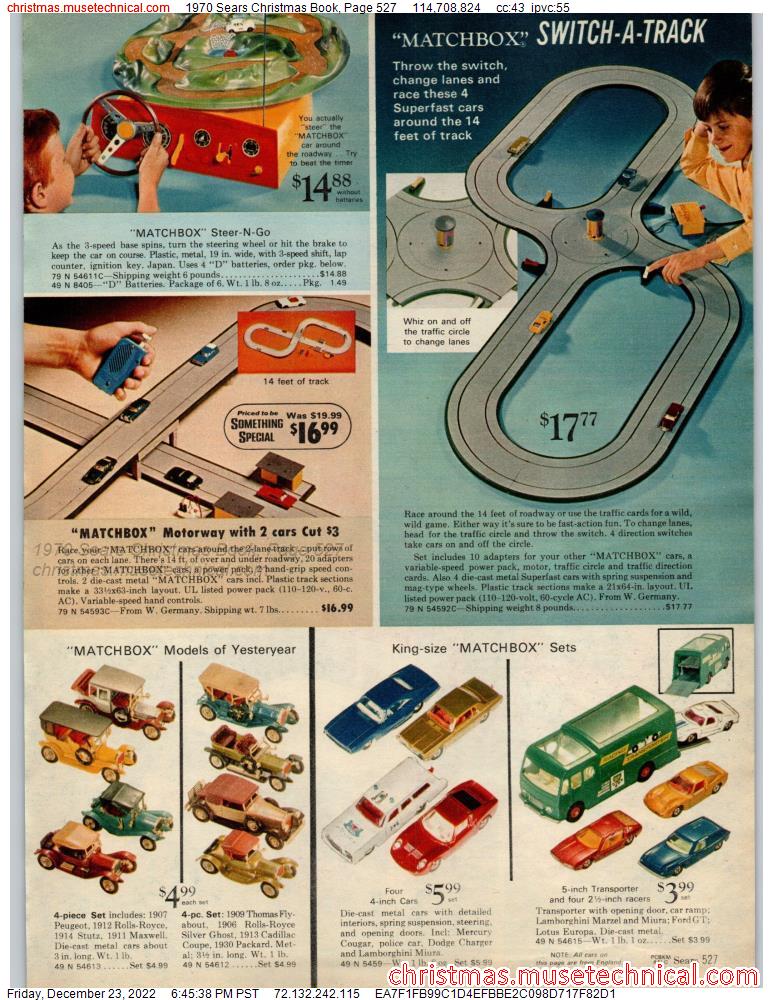
Look what I found: pages from our childhood bible, the one that arrived in fall and we pored over for weeks, working (at least in theory) on Christmas lists that we’d present to parents with our eternal hope—
pages selling trolls (not troll dolls, as our parents called them— to us they were real characters to whom we gave names and backstories).
And here are the Matchbox cars, likewise with names and biographies, the Kiddles, tiny dolls (OK, sure) wearing tiny outfits. Remember the girl with the guitar and mic stand, her long blond hair swinging behind her as she sang?
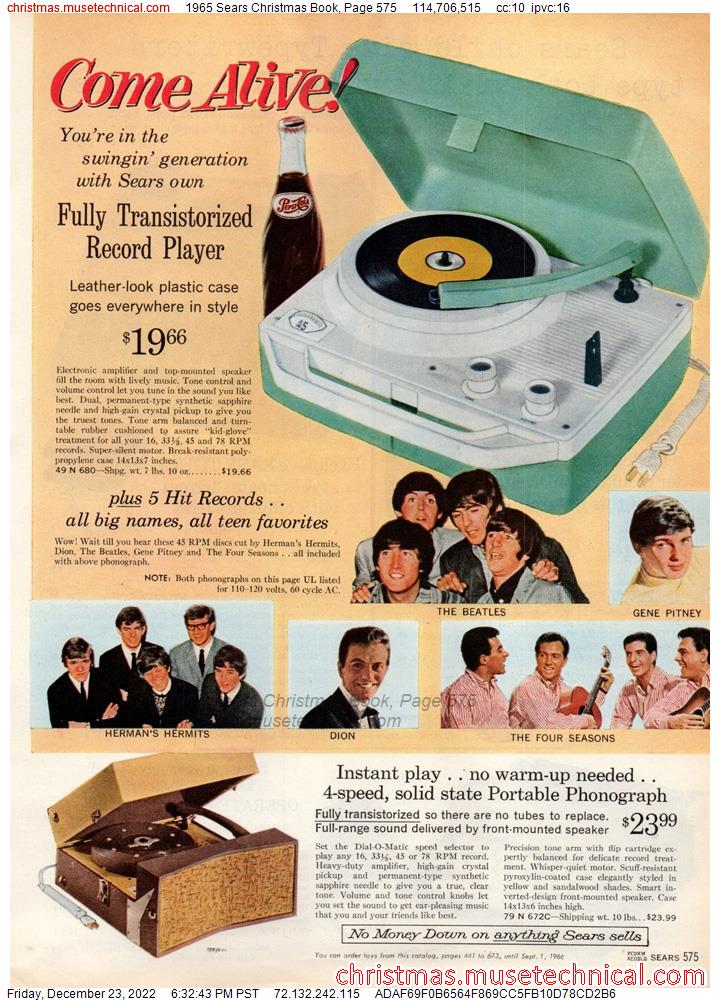
And one of us must have requested a kids’ record player because we certainly each had one, which was how we listened to our cousins’ 45s they passed on to us—
the “Flying Purple People Eater” debuted the year I was born— graduating to Snoopy vs. the Red Baron to Herman’s Hermits and the Beatles, eventually to Barry Manilow and John Denver.
I never got the kids’ typewriter I requested, on which I might have batted out any number of stories and poems—though my parents got me a dandy Smith-Corona electric when I graduated from high school.
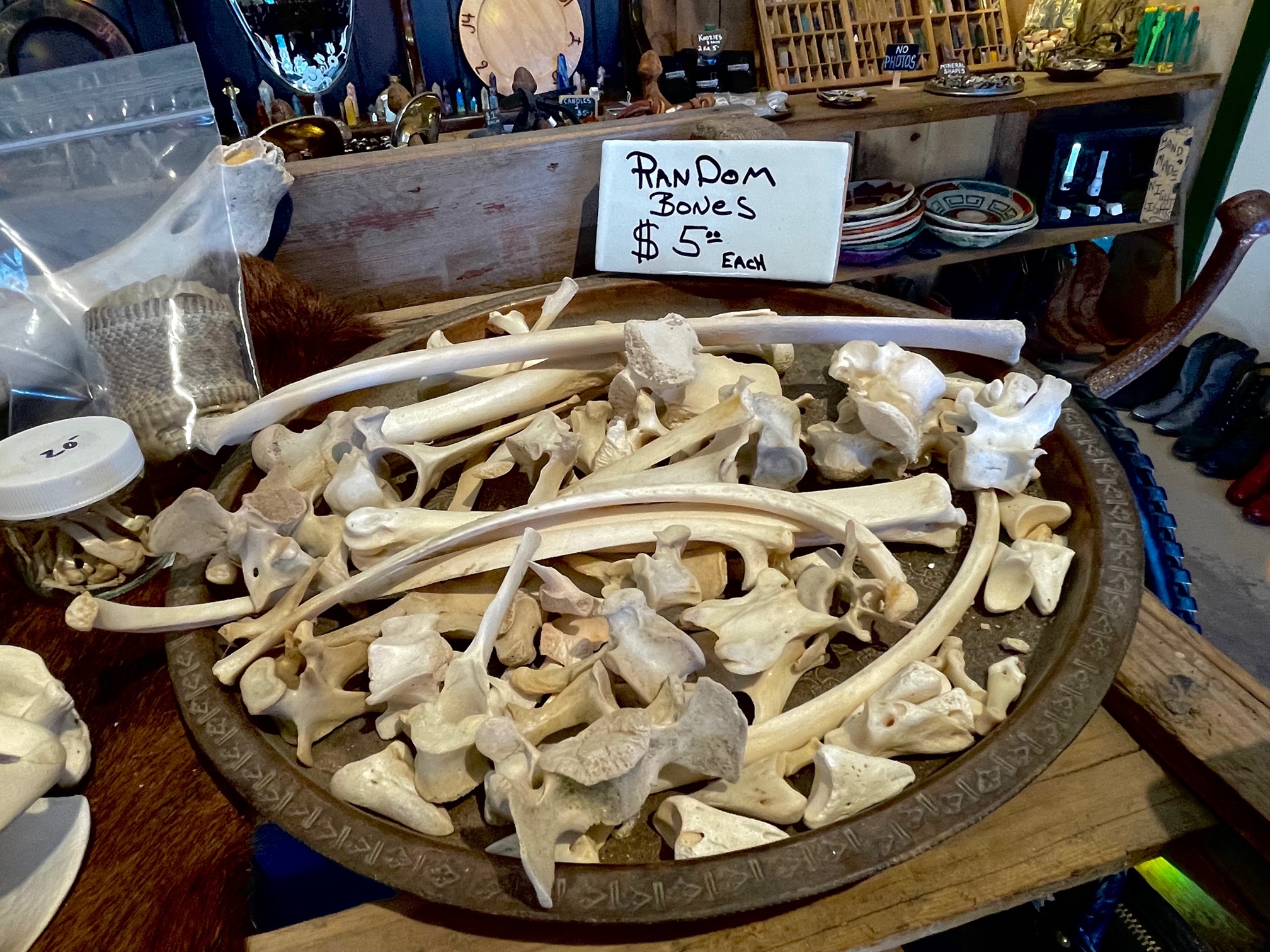
But look, you guys, at what our little hearts desired more than a half century ago, what fed our imaginations, what helped us grow into women of substance and character, what we wished for— so much of it not from the Sears Wish Book—
They’re everywhere here, flitting about so fast I mistook them for butterflies the first days I walked the neighborhood. But if you pause, wait, you might see one land.
After a day spent in bed, felled by something (not that thing) that seized me, shook me and unceremoniously dropped me, when I finally rose to eat a bit, I stepped outside to the patio under three leggy palms and next to a lemon tree lush with yellow orbs.
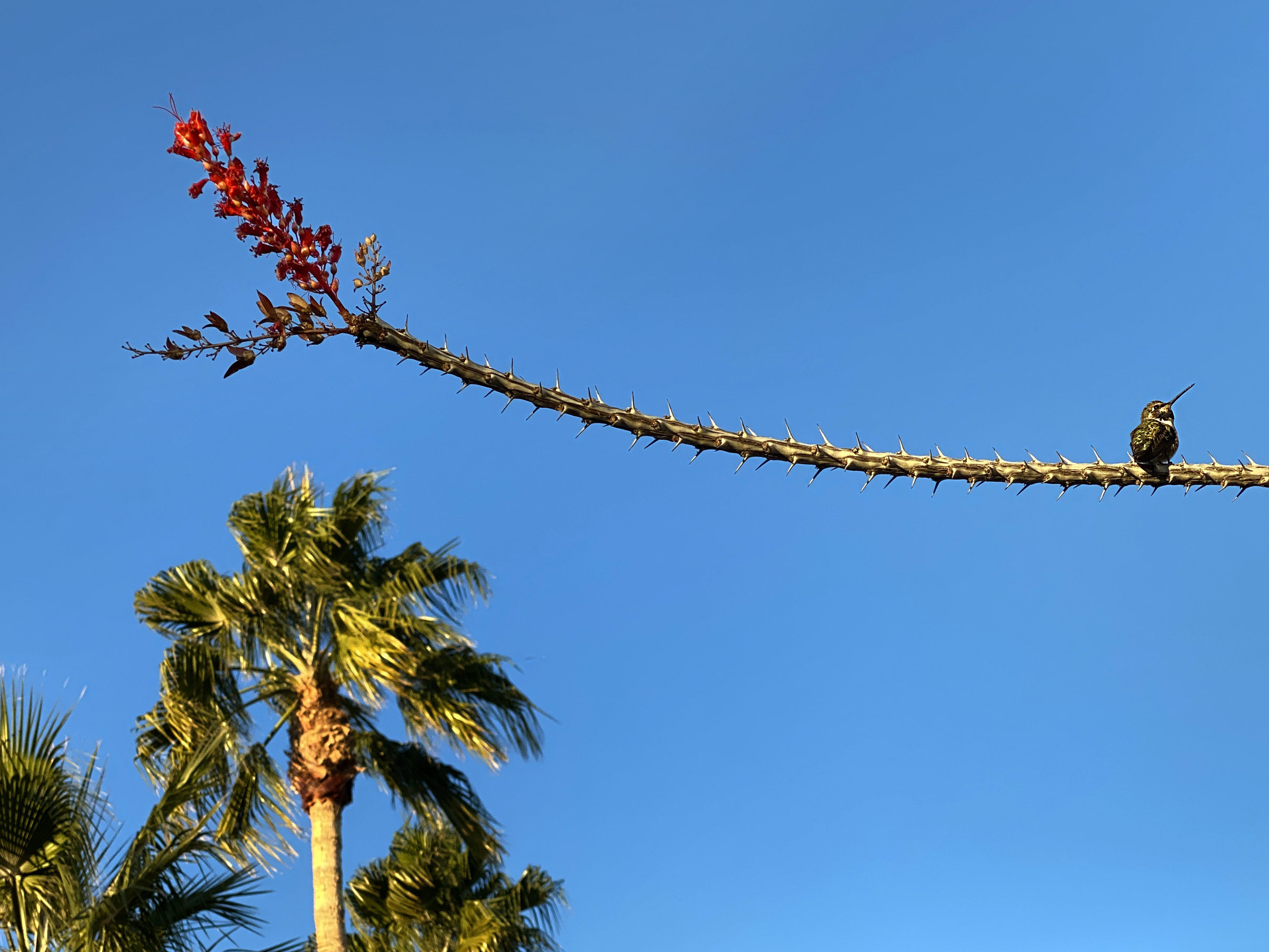
Taking a seat, I saw the hummer flitting about the blossom-less tree—no food there—but offering a handy perch for the wee bird, which, like a tiny Peter Pan, hovered, forward and back, before landing on a slender branch. Momentarily stilled, it looked down at me, head shifting every few seconds, left, right, down, needle beak occasionally pointing skyward,
and we gazed at each other for a few minutes, its little heart outpacing mine by about a thousand beats per minute. And when a noise startled the tiny iridescent missile, it arrowed up into the blue,
off to find the next blossom, always on the move, difficult for mere humans to see, but making this one feel a bit lighter, which is, after all, part of their charm.
Hummingbird on Ocotillo branch, Ocotillo Lodge, Palm Springs / Photo by Dick Schmidt
Who put them there? I asked the postmistress of Pioneertown on the afternoon of the winter solstice.
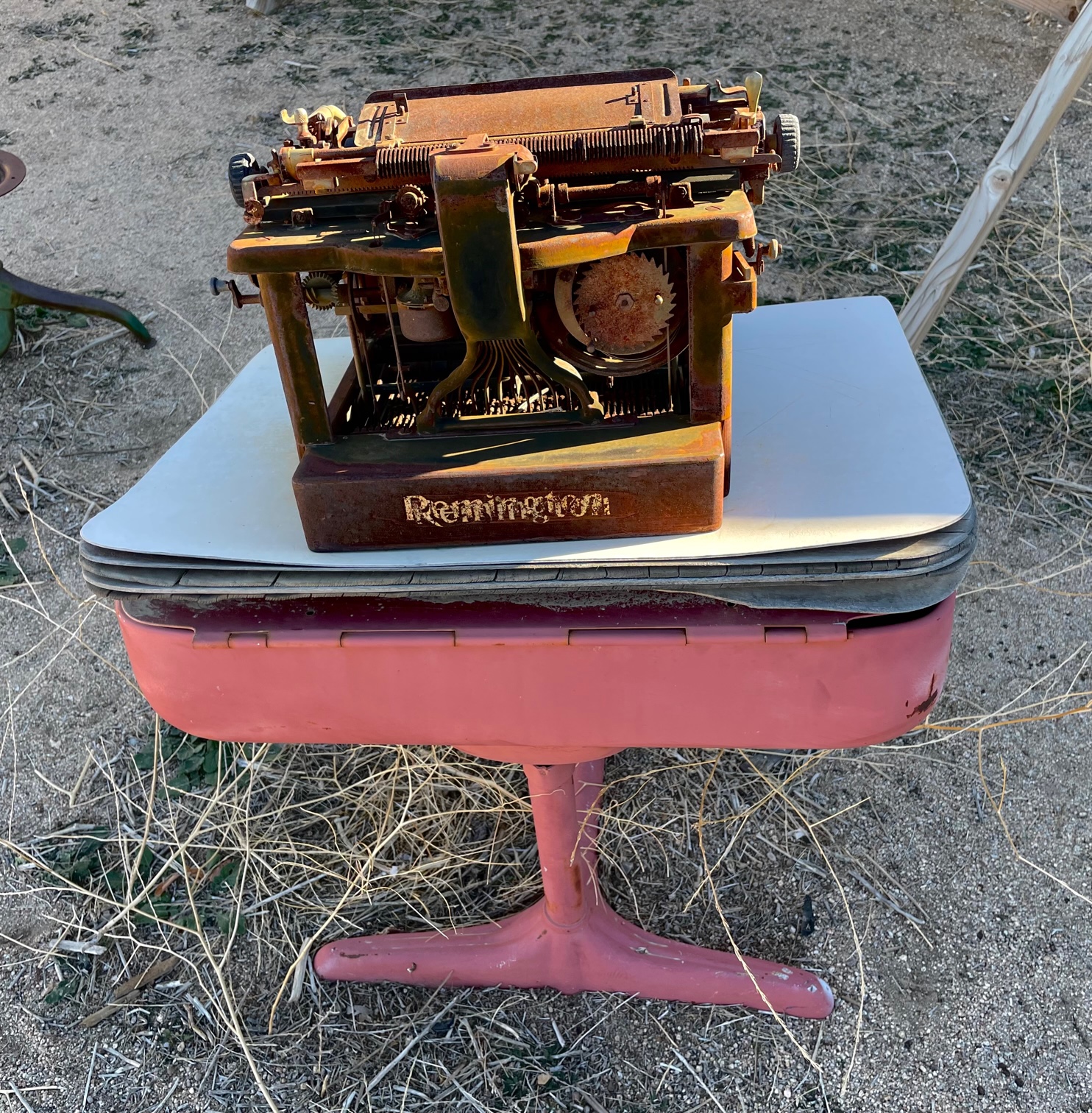
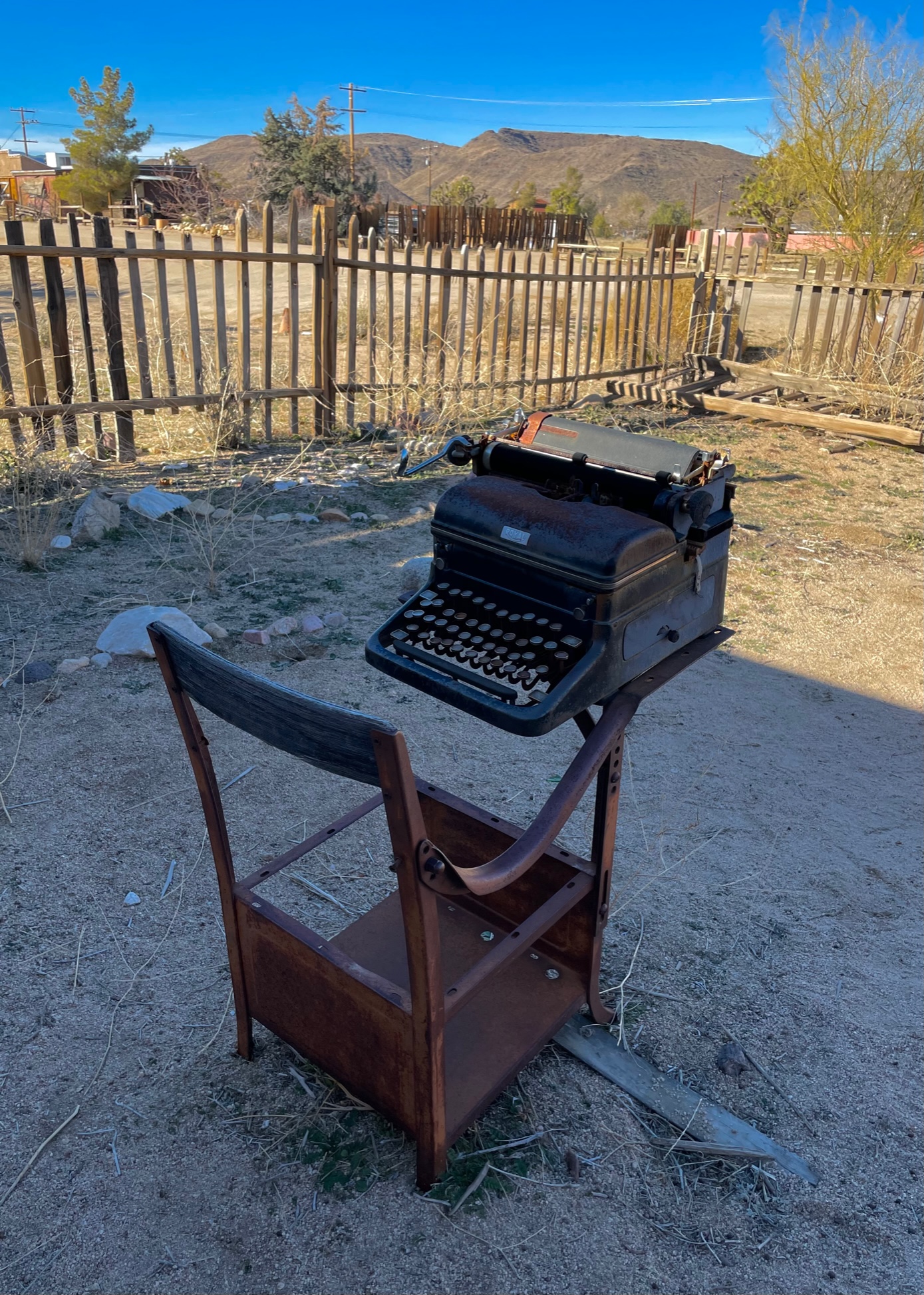
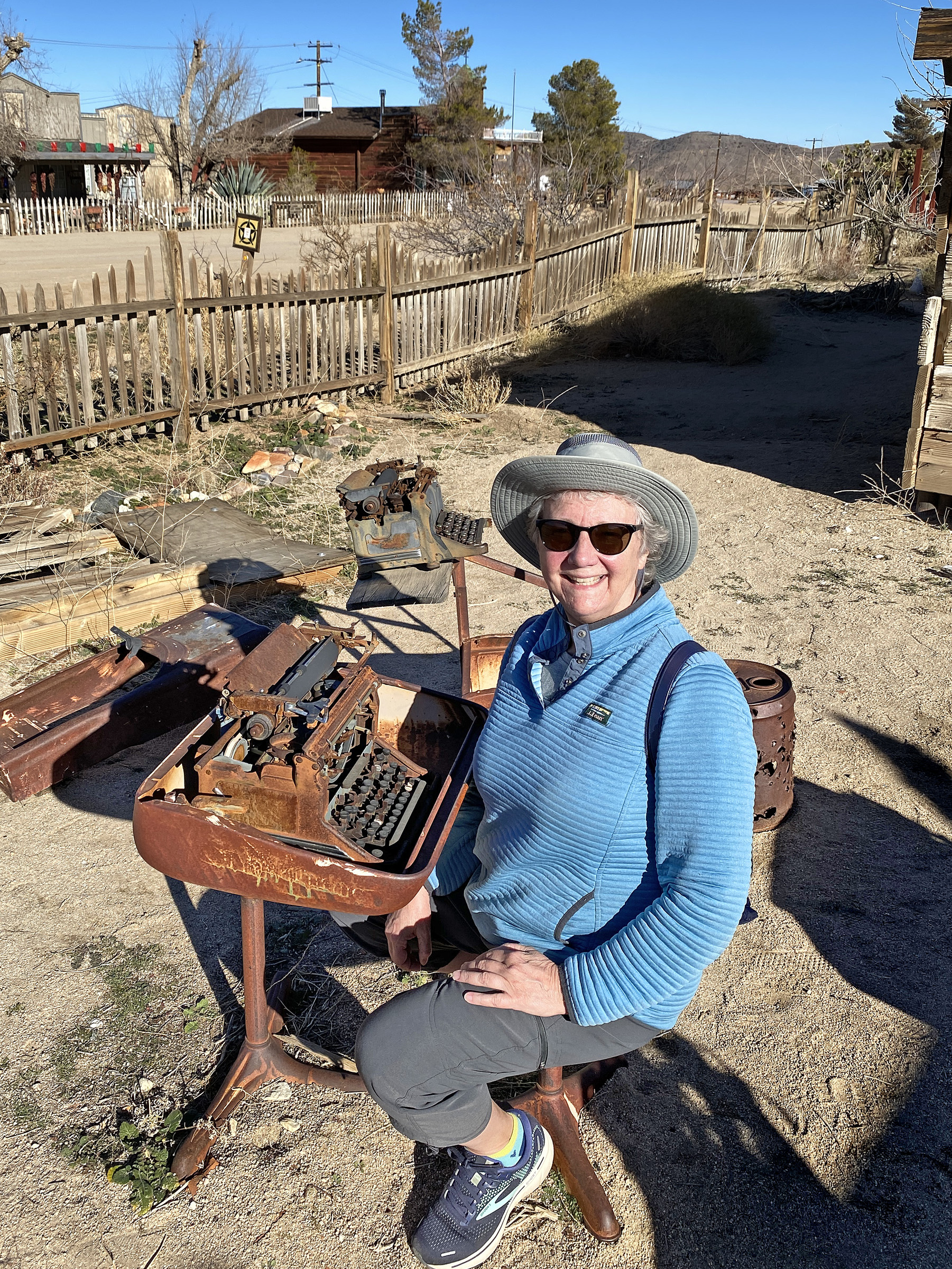
I meant the old typewriters rusting into artifacts in the old West-movie set town, placed by someone more than a decade earlier atop kids’ small desks, the kind with attached seats found in schoolrooms of my youth.
The postmistress of Pioneertown, in the high desert of the San Bernardino mountains, had to think for a moment. We’d driven from Palm Springs to see if we could find the ghost typewriters that turned out to sit listing behind a rickety picket fence on deteriorating desks with rusty wells where their chairs once perched.
Linda set them out there, she said, but before I could ask, Linda who? a man came through the door, packages in hand. So we thanked the postmistress in her genuine P.O. in its weathered, faux wild West building, and ambled down the wide, dusty street that once welcomed camera dollies and crews and actors, a living, breathing movie set.
Where Gene Autry filmed his weekly cowboy show and where Roy Rogers opened the Pioneer Bowl in 1946 with a strike on lane 1, bowling a 211 game in his cowboy boots, and where Mrs. White served as the first postmistress when the P.O. lived inside the bowling alley.
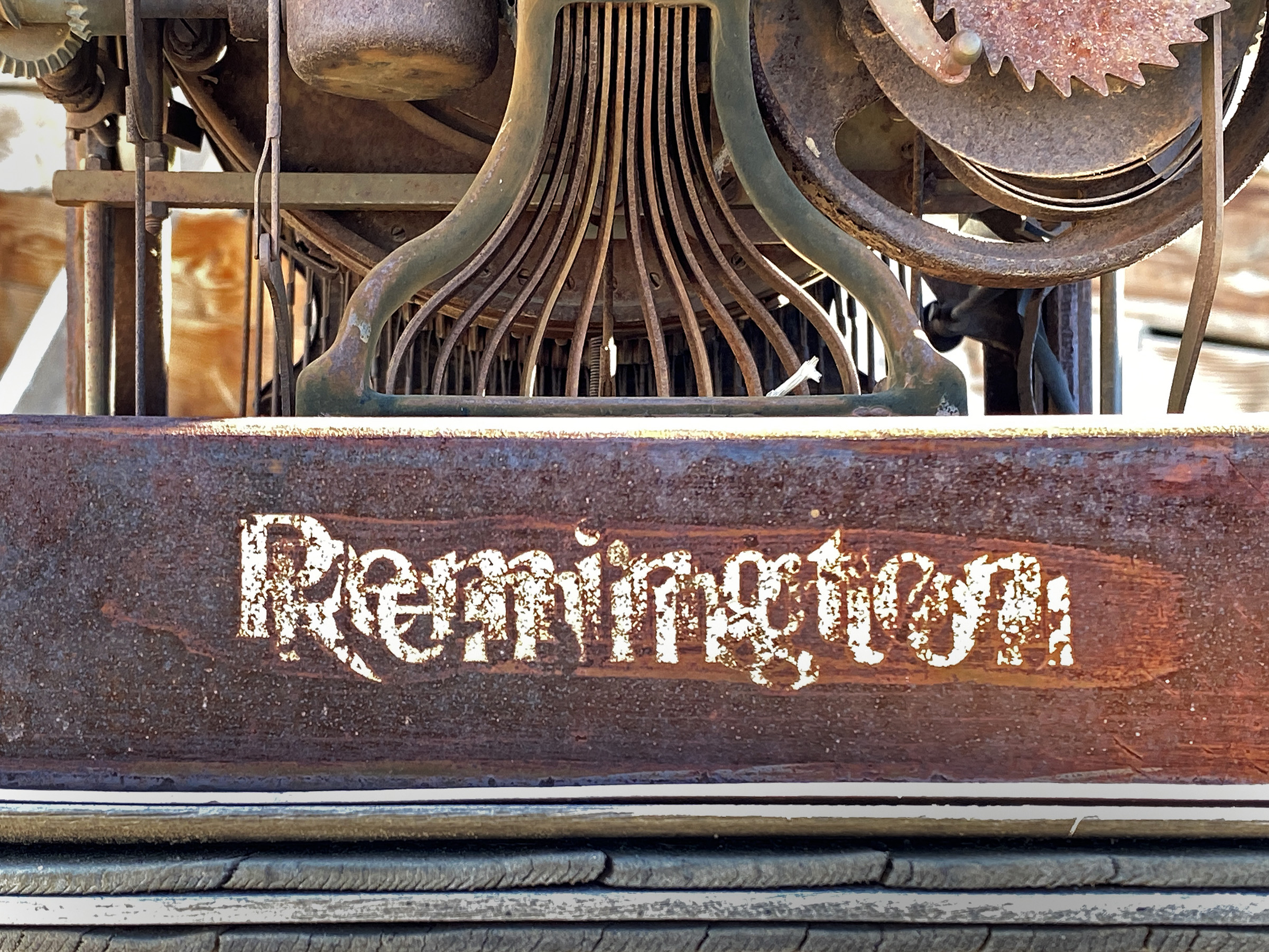
We paused again at the typewriters, so I could call their names—Remington, Smith-Corona, Royal, Underwood— paying homage to the fingers that once pressed those keys, as I do now on a newfangled typing machine that will one day be as obsolete as these magnificent dinosaurs, their typed words as transitory as the high desert wind.
in a warm place… well, warmer than home, where, on the shortest day, we understand it’s doing a fine imitation of winter— the kind of winter we get, which is to say, cold and dreary and gray, cold enough for snow but sea-level elevation to prevent it.
So that fleeing for a time to the southland of my native state feels like a holiday, appropriately on the third day of Hanukkah, heading toward Christmas and Kwanzaa and a new year, December miracles in a place where I can comfortably don lightweight summer pants that reach my calves and tennies with tiny socks that barely reach my ankles,
and in only a T-shirt and sunglasses and hat walk and walk through a mid-century modern neighborhood, taking in low-slung houses with butterfly roofs and angled turquoise mailboxes like the one my father attached to a 4×4 for my mother in the mid-’60s after they moved north and set down new roots by a lake called Folsom.
I am from this latitude, or close enough, born about 100 miles west near an ocean, but I’ve spent most of my life inland, missing the sea. Perhaps that’s one reason water has long called me—from the lake out the front door and down the path in my youth to a high school pool in my teens, to a tropical ocean as an adult—any warm, swimmable, snorkel-able, easy water.
I like easy, the ease of, after the walk under the palms, admiring the San Jacinto mountains to the west, slipping into a suit that hugs me like an old friend, then into the warmth of a champagne cork-shaped pool for solo laps, rolling over on the back to float, look up at the bluest sky, smiling, grateful for all that holds me.
Ocotillo Lodge pool, Palm Springs (Photo / Dick Schmidt)
for the first time—woo hoo!— and though no one in the family wanted to ask, we were quietly hoping/wondering/imagining
what it might be like to have a baby in the family again since the last baby is now 32 and a middle school band teacher with a very sweet wife,
and the first baby is now 35, my niece who’s gonna have the first baby of our next generation— perhaps the only baby of our next generation— with her sweet husband,
and when she texted (as the kids do) to request a phone call with Aunt Jan, I had no idea what she wanted to chat about,
this baby born on my 29th birthday, so she surprised the bejesus out of me when she said, You’re gonna be a great aunt!
and I said (using an old line between us), I’m already a great aunt, and she laughed and said, yes, you are,but you’re gonna be
a Great Aunt, and then there was talk about how far along and due dates and names she’s long loved and general excitement—woo hoo!—
and all that adds up to the fact that my little sister’s gonna be a grandma, and her husband’s gonna be a grandpa, and I swear it was just last week they were getting married, and a few years later announcing their first baby-to-be,
the one who called with the good, good news— woo-hoo!—a new tiny mammal will join our little family in June!
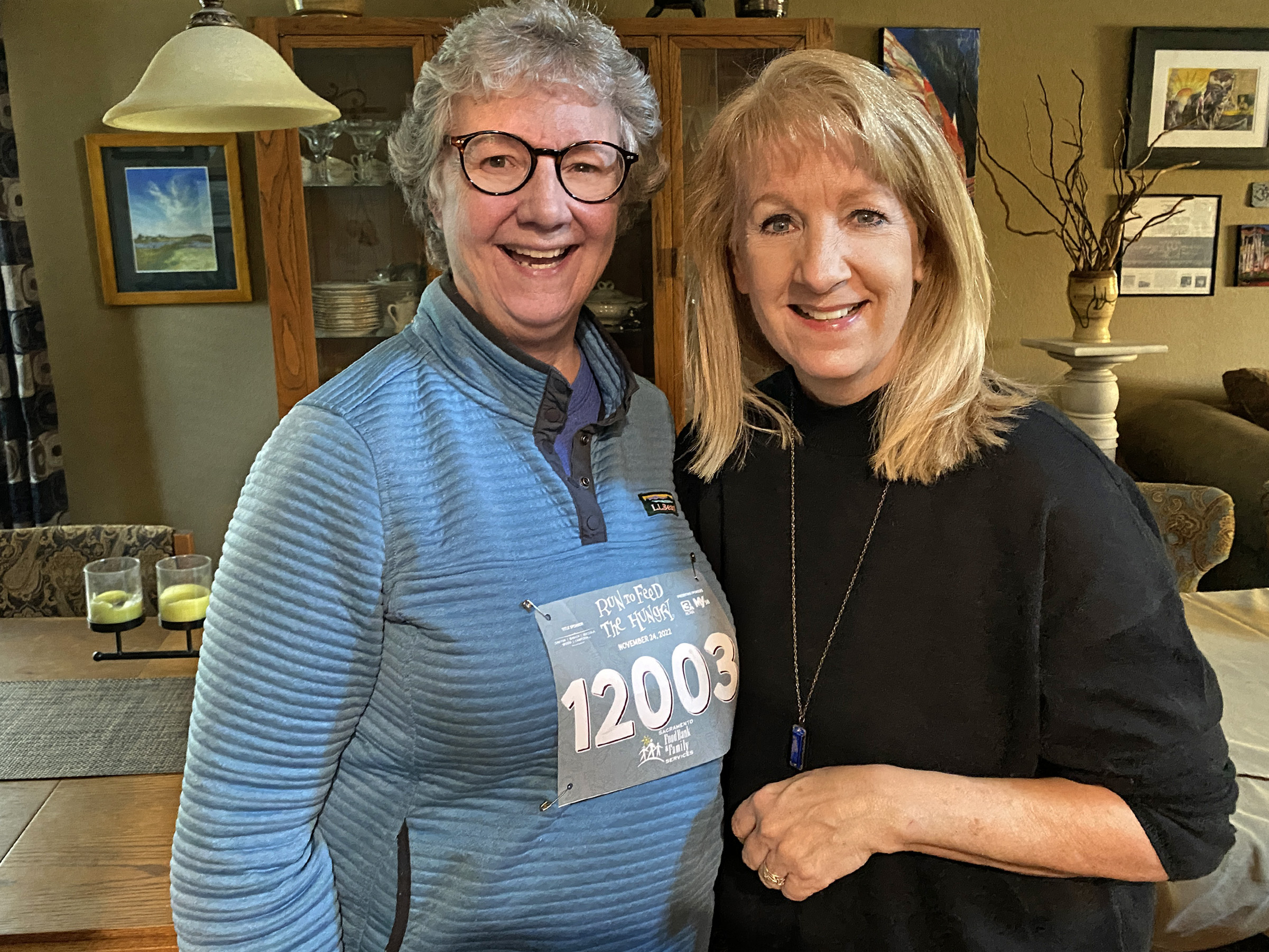
Sisters Janis Linn and Donna Gail (Photo / Dick Schmidt)
Lauren Just Giel and Gerald Giel, parents to be (Photo / Lauren Just)
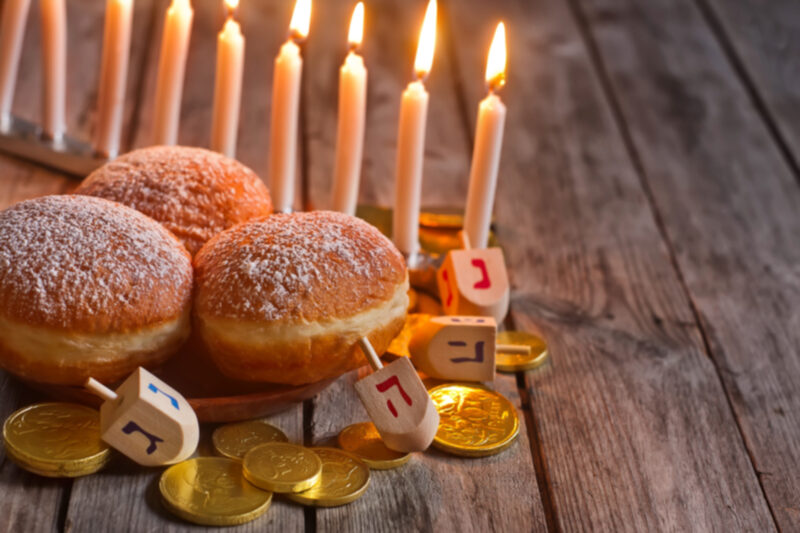
tonight, beginning the festival of lights, in tribute to friends and beloveds who celebrate, honoring those rebellious Maccabees, who reclaimed, cleansed and rededicated the temple, then relit the single candle that continuously burned for eight days.
It is that miracle and others I praise on these darkening days, on one that dawned foggy and still. It is those latkes and jelly doughnuts I crave, and will find, heading south to a warmer land
where my beloved and I will holiday with, among other blessings, a superb Jewish deli, the delights of Hanukkah and Christmas together, and give thanks for traditions so graciously shared.
And I will take a candle or two with me to light and burn and joyfully partake of potato pancakes and jelly doughnuts and thank the heavens for friends and family, all that I’ve been given, such glorious abundance.
Two weeks ago it stopped, mid-cycle, as we aging machines can do, and flashed a two-word mystery at me:
Pump block?
How should I know? I said. But the washer ignored me, flashing its persistent message until I turned its knob to off.
I asked Leaman, the handyman, who grinned sympathetically as he wrestled with my dishwasher and told me where to call. One appliance at a time, he said.
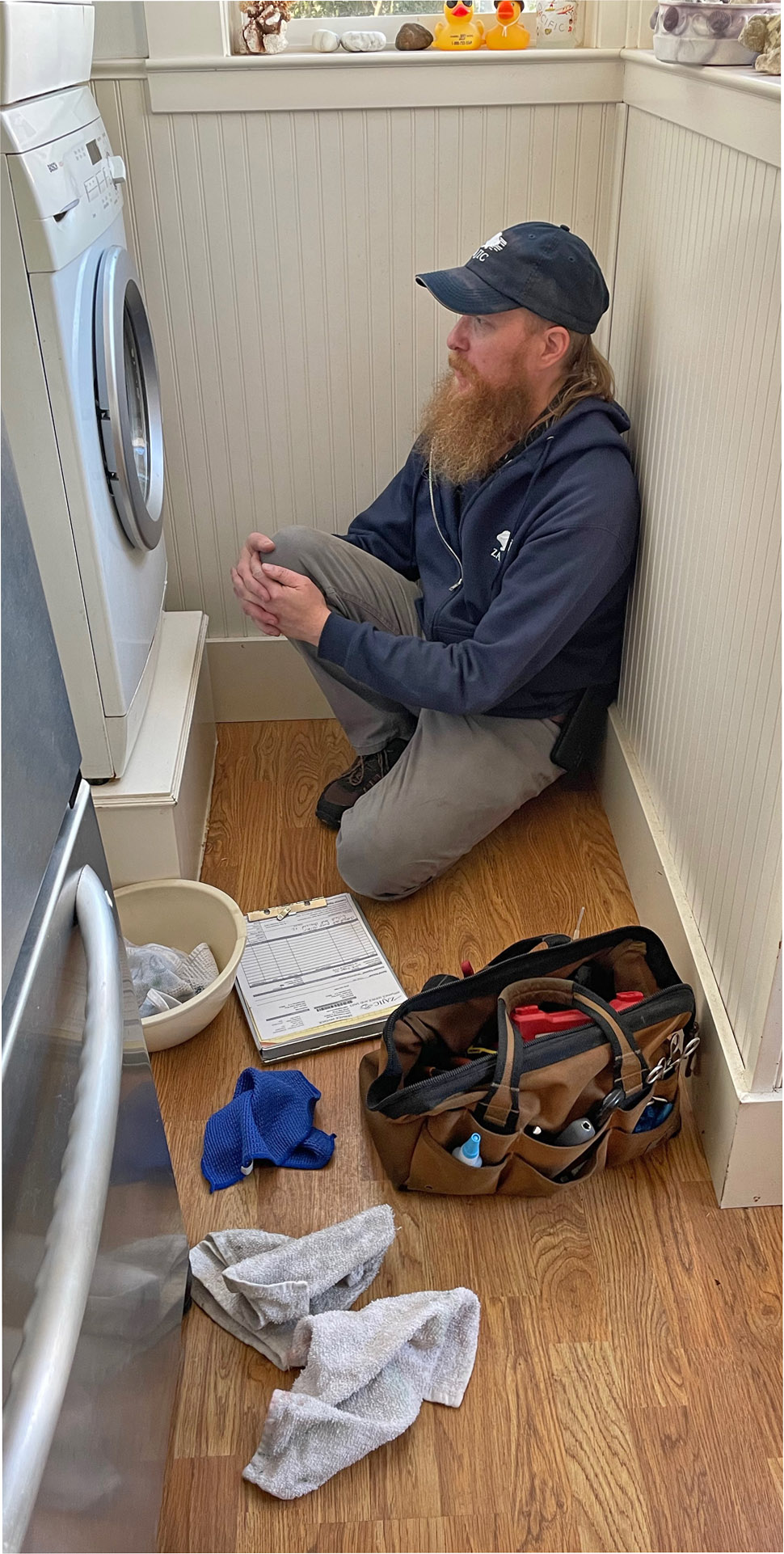
So I did, and the appliance gods delivered Adam, who, once shown to the machine, plopped himself and his puffy red beard in the tight corner between washer and wall and set to work, so focused he could’ve been fine tuning a moon-bound orbiter, one of which splashed down several days ago—mission accomplished.
Which is what I told Adam after he masterfully unblocked the pump and carefully removed the small lake in the washer, not spilling a drop, which, as far as I’m concerned, makes him a pro, one whom NASA should consider hiring.
The man’s got wicked good skills.
Adam, washing machine repair genius. (Photo / Jan Haag)




 Güd wrtr