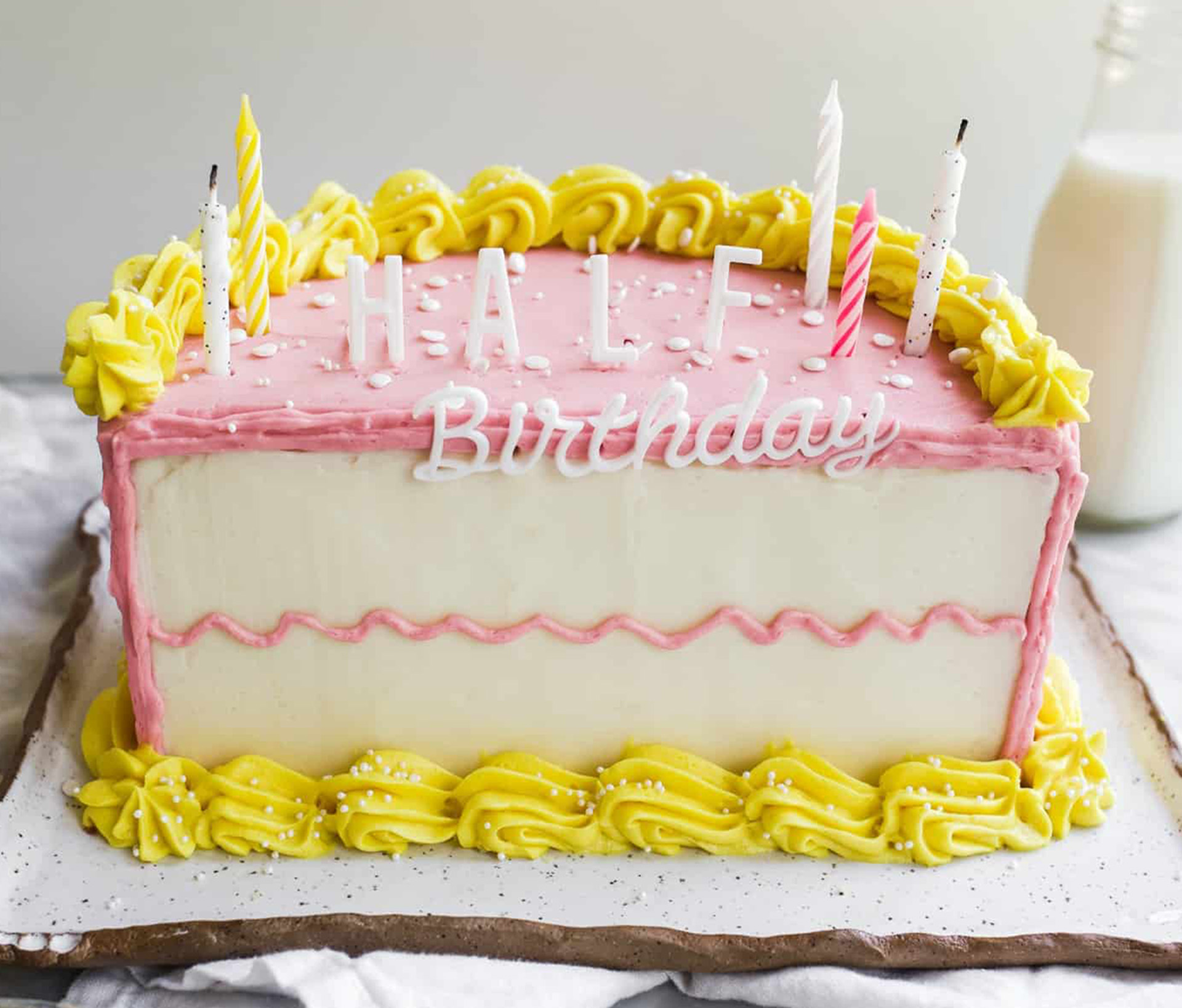
My half birthday this year falls on a Mom Monday, so I spend the afternoon driving around the one who long ago coached me through the sticky business of clutches and shifting, who carried and birthed me 64-and-a-half years ago, who passed on her love for, among other things, tuna melts at Mel’s followed by ice cream—
both of us chalking up our half birthdays this month, because your years are your wealth, darlin’, as a friend of ours used to say, and not everybody gets so many.
When you got ’em, you celebrate ’em, the half birthdays, especially at the end of the 10 darkest weeks of winter, as the sun now lingers a wee bit longer through the diner window, haloing the 91-and-a-half-year-old and her bowl of mint chip,
even if, as my father might have joked, we old gals ain’t what we used to be— in so many ways, we’re even better.
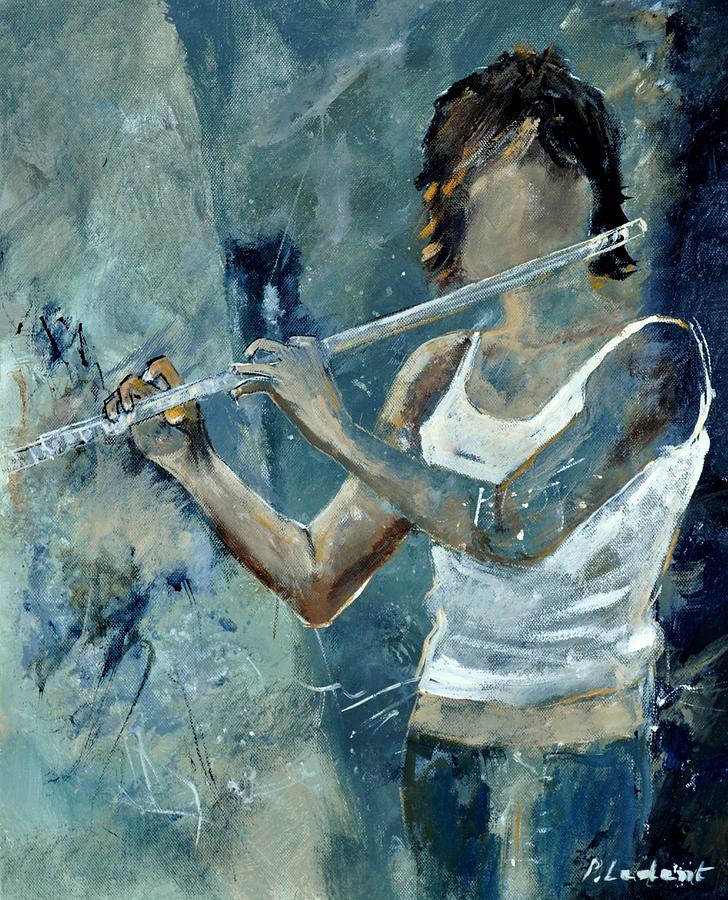
Amy must have a gig soon, I think on a Sunday morning as the second-story strains float from her apartment into my closed windows,
which I open in the bathroom, preparing for my shower, partly to let the steam escape but mostly to hear the flutist next door practicing.
Her fingers arpeggio those silver keys, breathing runs that scale the highest peaks of classical pieces I can’t identify and don’t want to.
I want Amy’s flute solo, for once not part of the large orchestra across the country to which she travels, just this flute, these Sunday morning grace notes
as gray clouds wander over our lives, heading east as Amy will soon, hoping there’s good weather where she’s bound, knowing that once she opens her case and assembles her magical flute,
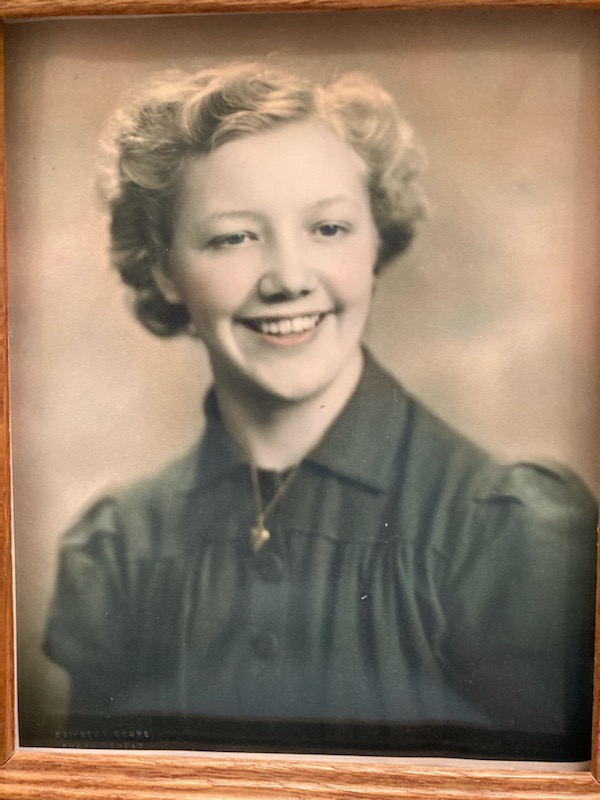
for Lois Mae Haag Dietz Jan. 29, 1923–Sept. 26, 2006
If she were still here— or we made it to her musical heaven—wouldn’t she be at the piano, fingers moving smoothly over her own happy birthday?
All of us singing along in that celestial space— her parents who gave her and her brother so much music, instruments all over the house, piano lessons with the pianist who became one of my grandfathers, the one who pushed the piano out into the village to play for street dances on warm evenings.
She, who taught so many hands on both piano and organ in what my sister and I thought of as Auntie Lo’s music room, where older cousins Dede played the marimba and Pat the clarinet, where the family would gather after dinner, we little cousins urged to “sing it out, girls!” to so many spoonfuls of sugar and let’s go fly a kite and every kids’ song that Auntie Lo knew by heart.
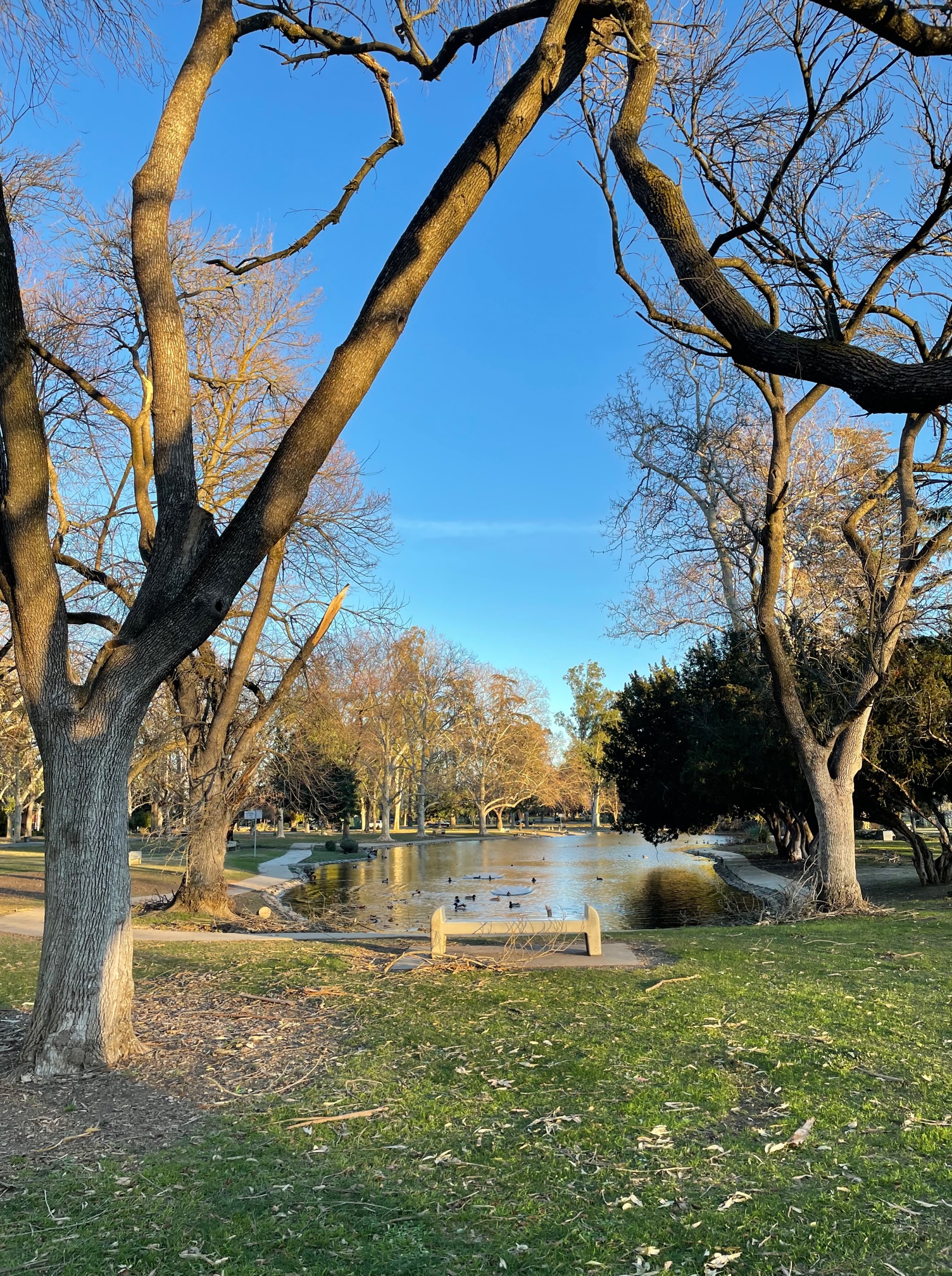
Because that’s where the music was embedded, what she held in her generous heart, shared on keyboards, spread around the table, with so many she loved, what endeared her to two nieces who loved to walk with her and the long-legged chihuahuas to the park, old bread bits toted along for the feathered friends at the duck-duck pond.
She who’d later come to the guest room those nights we spent on Ostrom Avenue, stand at the threshold and cue us to blow out the light. We’d purse our lips, and whoof out the overhead as her finger switched it off, Auntie Lo’s voice floating down the hall:
See you in the morning, girls. Sleep tight. Don’t let the bedbugs bite!
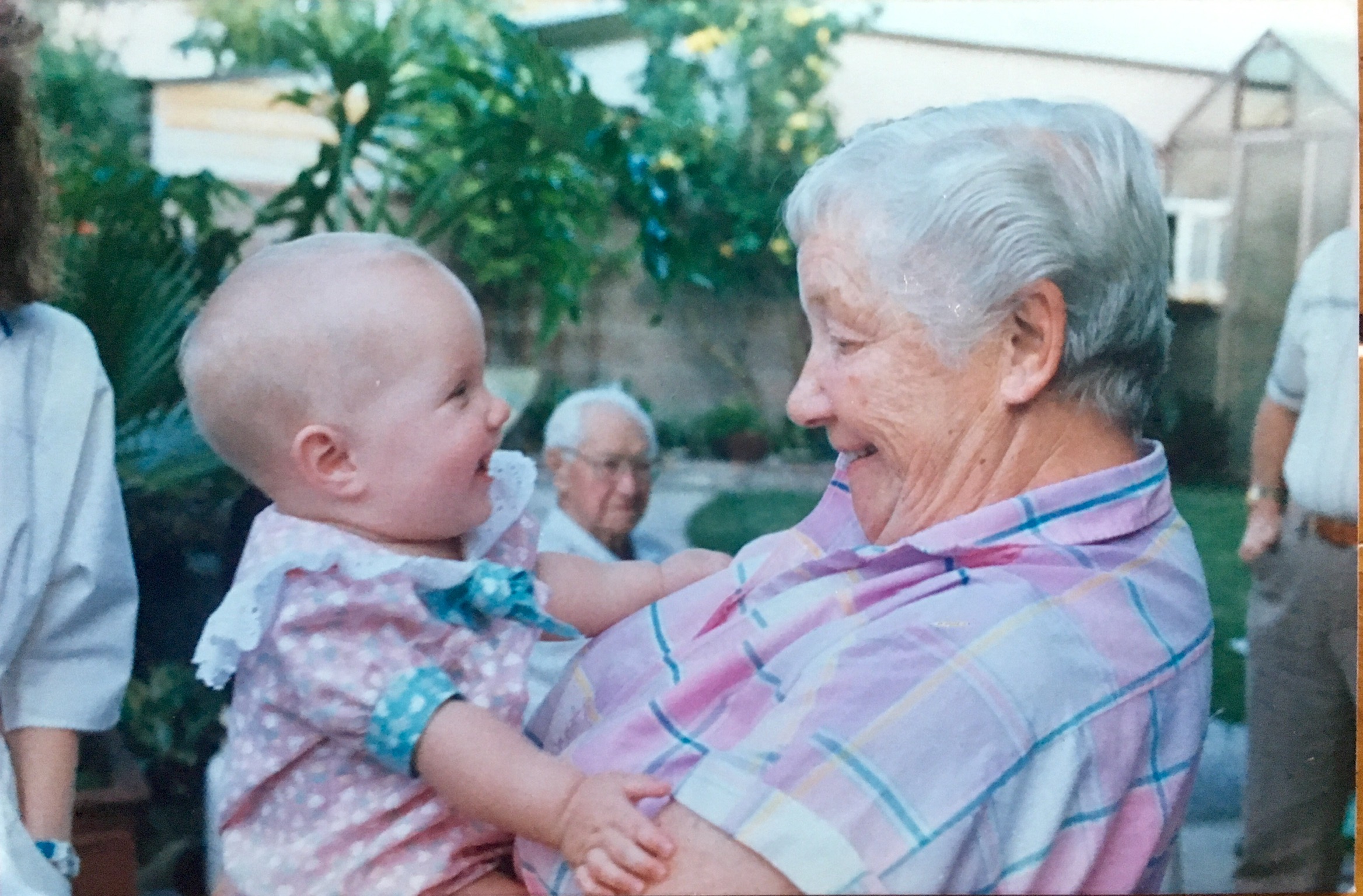
Auntie Lo with baby Lauren Just, circa 1988 (and Lois’s father, Ed Haag, in the background) at home on Ostrom Avenue in Long Beach, California.
After so much rain, historic, biblical, stupid amounts of rain, we are drying out.
And, as the first month of the year can sometimes do here, hints of spring tease us with unseasonably warm days, which we happily accept, after so much cold and wet.
But already we hear the predictions about what is coming, and, never knowing how much, how long, how devastating, we stockpile the dry like cord wood.
We rush out under the sun, collecting it in buckets. We gather warmth into the solar panels of our cells. We unbundle and walk in the world for the moment, carefree, ignoring the possibility of what might be.
pandiculation (noun): the act of stretching oneself, especially on waking.
Example: “After a long session of pandiculation, the bleary-eyed panda rose and set off in search of breakfast.“
— I do the stretch, you do the stretch, the cats stretch in downward cat after awakening, so do the dogs, of course, but pandas? Had no ideas that pandas also stretch as they open their eyes after a good nap.
But it’s right there in the word— pandi-culation. I know that word, have used it occasionally. Never occurred to me that pandas -iculate, too. But now I will carry through my day the image of roly-poly black-and-white balls of fluff blearily opening their black eyes with the black splotches underneath,
lifting a front leg, extending one bread plate-sized paw for a good stretch, then the other front leg, too, yawning and allowing a panda sound to escape as I do in the morning, especially when morning seems to come too early
(as if it doesn’t show up at the same time every day).
But though we want to roll over and drift back into blesséd sleep (of which there’s never enough), we dimly recall that there’s a reason to rise if only we can… oh! breakfast!
And then, panda-like, I rise with the cats, who will eat before I do, all of us together in the kitchen, one of us pandiculating, in the soft light of a new day.
Giant Panda (Ailuropoda melanoleuca) in a tree. Wolong Panda Reserve, Sichuan Province, China. (World Wildlife Foundation)
Waiting to meet a new friend at the big-chain coffee place off the freeway—convenient for many people, for many reasons—
I order what you used to: iced green tea, no sweetener, no ice. Medium. Or whatever they call it.
The young barista punches it into the register, reads my request back, and I nod as your proper green tea order floats into my head: extra large (whatever they call that), lots of ice, sweetened.
And when mine comes in its plastic cup with lip-shaped slit in the lid for easy drinkability, it’s more bitter than I remember,
and here you are with me in a spot of sunshine on a spring-like January day, as our patch of planet dries out after weeks of storms, whispering,
When people ask, Where do the poems come from? or How do you write a poem every day?
I say, First, I have no idea, and second, If I knew, I think they might not show up.
But if I lace up my shoes, head out onto the block I think of as mine, and start to move, if I get out of my own way, walking at a good clip, bright kites of words float by—
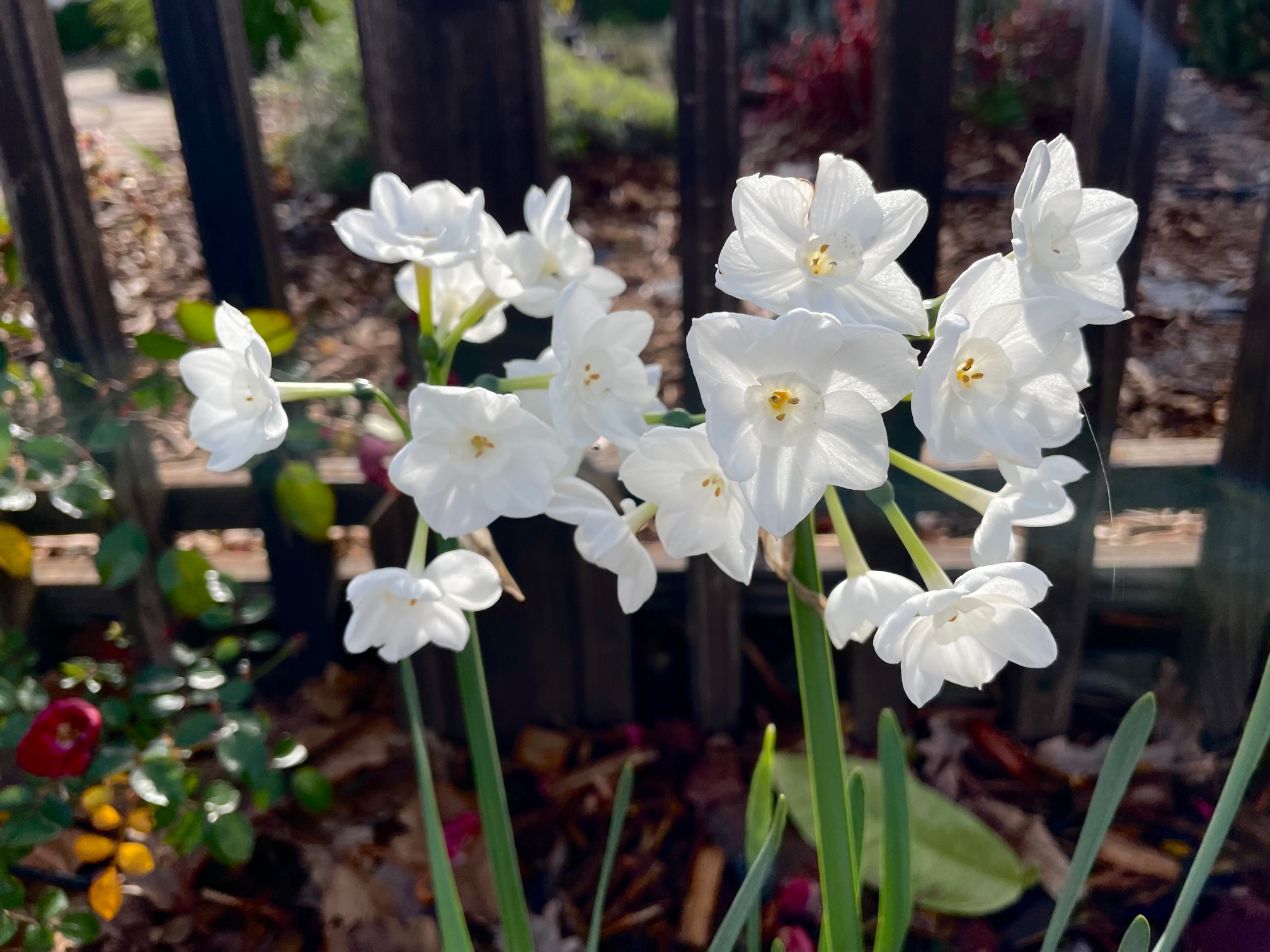
sometimes disguised as leafbuds on bare branches or paperwhite blossoms, a wagging tail or the smile of a toddler gleefully pedaling his trike.
Just a phrase, maybe a line or two, compels me to reach for the strings attached to those precious syllables and, thanking them for scudding by, tuck them into pockets of my receding memory.
Then the trick is to gently grip the slender threads long enough to walk home and pull out what I’ve gathered—
found marbles, smooth pebbles, colorful streamers and whatnot—
tenderly setting them on the page so they might find their feet, dance a little, and begin to make a poem.
I really love what you’ve done with your hair. Really.
That’s such a nice color on your—is it mauve? Lavender? Doesn’t matter; it’s lovely.
What a great smile your dog has. And yours matches! I feel smarter/cooler/wiser/enlightened after reading one of your poems. That’s the best thing you’ve written so far. That poem was interesting and weird. That’s so cute. That’s so you.
Really.
My mom would love your earrings. You clean up real good! You got that job? Wow!
I didn’t recognize you from your photo. You look younger/ hipper/prettier/handsomer in person.
Your house has that lived-in feeling. I love how unpolished it is. You’re so talented that I’d hate you if I didn’t like you so much. You know so much about, well, lots of stuff.
You don’t look a day over… wait, how old are you? Wow, you look so good in this light. Really.
Let us make best use of the fleeting moments. They will not return. —Saint Marianne Cope, mother of outcasts, Kalaupapa, Moloka’i
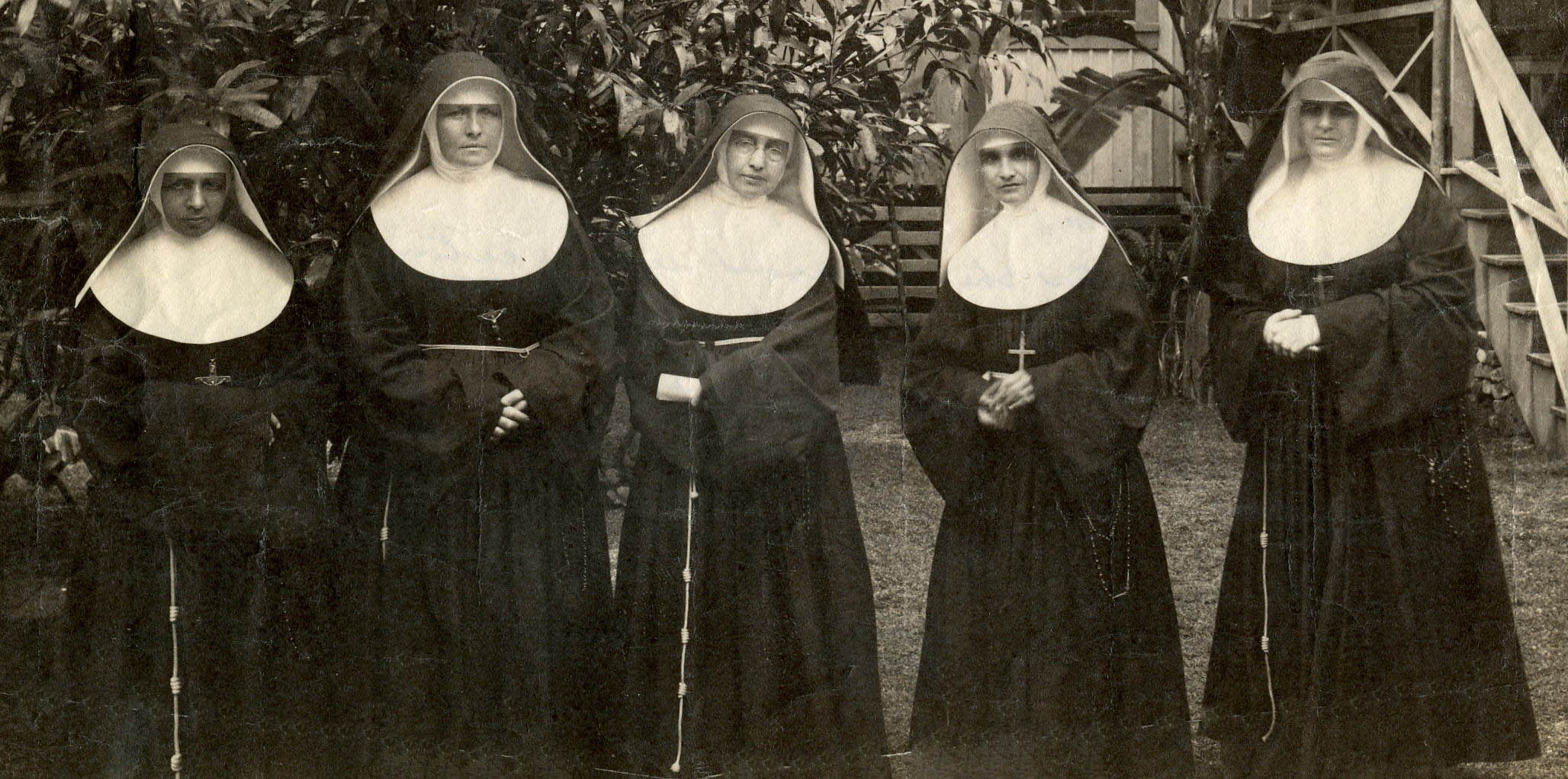
In the old photos she looks so tiny, the Franciscan nun with such faith and persistence that she persuaded an all-powerful bishop to let her bring six sisters to a remote peninsula on a small Hawaiian island to tend the dying.
“I am hungry for the work,” Mother Marianne wrote the bishop in 1883. “I am not afraid of any disease, hence it would be my greatest delight ever to minister to the abandoned lepers.”
Even in fading black and white, there’s determination in the eyes of that capable nurse, promising the half dozen nuns who came with her that none of them would fall ill or die, more than a half century before drugs arrived to arrest the disease Hawaiians called ma’i pake. The sisters would house and educate the girls, as the brothers did the boys, no matter how long the children lived, tend the sick, young and old, with their oozing sores, offer comfort to the dying. They would wash their hands after every patient.
God would care for them all; they would thrive. And they did.
She was mother to them all, doing “the work in the name of the great St. Francis” for 35 years, dying in 1918 of natural causes, laid to rest by adoring hands in the land she loved. Almost nine decades later, exhumed on the brink of sainthood, her 21st century sisters helped collect the relics of their rising star who, it was said, had changed a dark place into one of light, dignity and joy.
They reverently arranged the bits of her blesséd bones, one told me, on a table in the Bishop Home where she had lived with scores of women and girls, sat a vigil and prayed for Hawaii’s female saint, in gratitude and love,
Though her relics left Kalaupapa, the woman they still call Mother remains embedded in the hearts, in the soil, along with 8,000 who died in one of Hawaii’s most sacred places. Among them a carpenter priest named Damien, who welcomed her—he, too, now sainted. Both heavenly lights called to the work of their lives, like so many who followed, who continue to honor their names, in remembrance, with aloha.
— In memory of the people of Kalaupapa who lived and died there, with gratitude to those who continue to work to keep their stories alive.More information about Kalaupapa on the island of Moloka’i in Hawaii—where people with leprosy (now called Hansen’s Disease) were sent for almost 100 years and the project to build a memorial to the 8,000 people who died there—can be found here.
Mother Marianne Cope, center, and the nursing sisters of Kalaupapa, 1899





 Güd wrtr