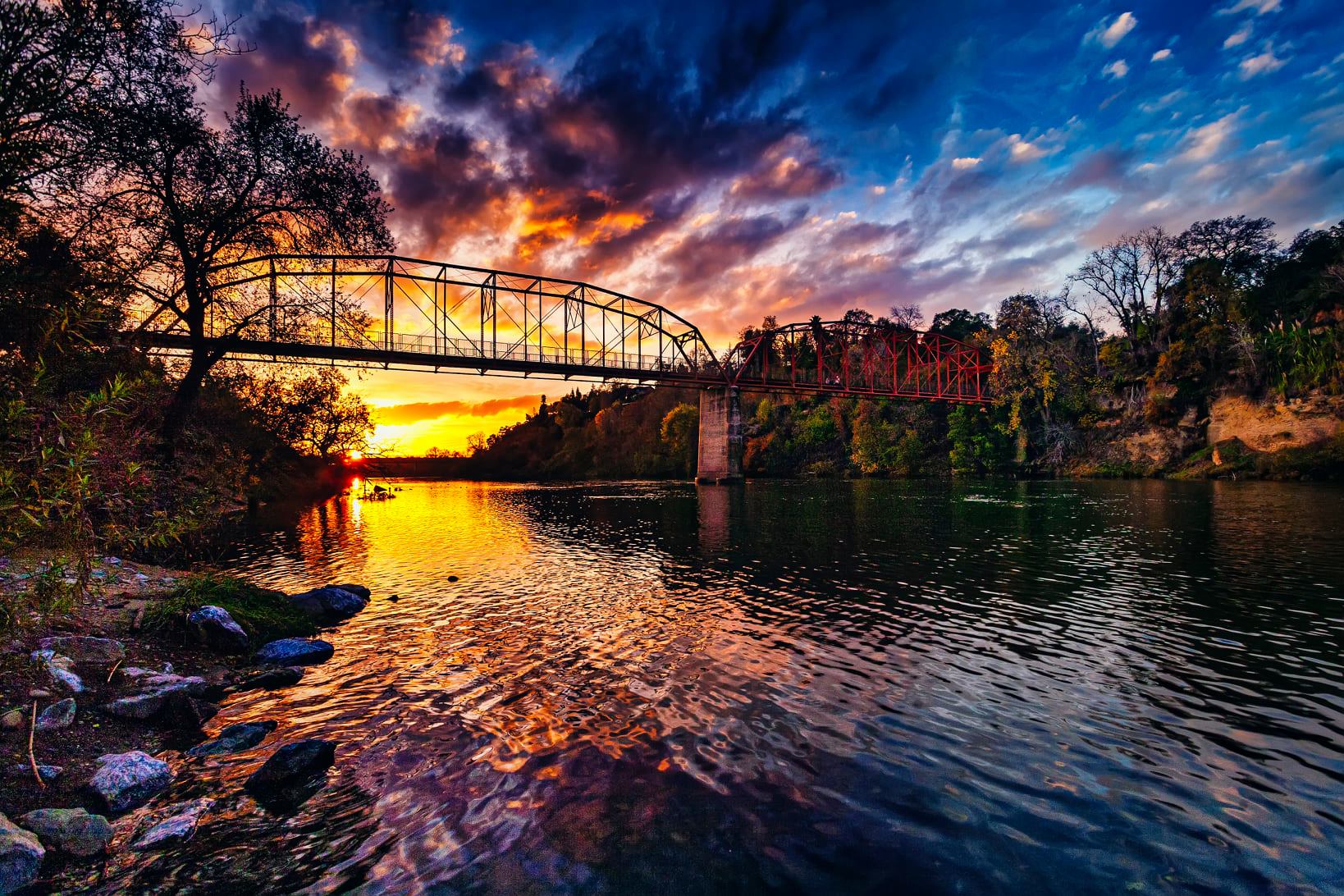
How often do we forget— watching the nightly sky show, clouds purpling, the last of the day’s energetic yellow and orange rimming the horizon— that the sun will return again?
We find ourselves sinking, too, anticipating the coming dark. Perhaps the angry evening sky thunders like artillery overhead, grays and blacks bumping like colliding armies, an abrupt shift from yesterday’s painterly wisps of white scudding across blue, an egg yolk horizon brightening day’s end.
We cannot foretell what each sunrise will deliver based on the sky that closed the previous day. Sometimes we must hunker down and wait for the all clear.
In those moments, then, we close our eyes and envision our favorite sunsets, the ones that warm us, the sunrises that feed us with four million tons of light each second. In every moment, even the worst ones, we carry solar radiance inside us—reflected by unseen ones wishing us well— as we call on that hope to see us through.
That day you melted, the collapse of a self, your remains burned down to a heap of humanity on an airport floor.
Gone.
I witnessed your death and transfiguration at the literal hands of strangers who worked to pour your melted self— one that had taken flight— back into another form.
You arose that day, blue eyes blinking, ragged and bloody, lifted onto a gurney by so many sets of kind hands, the beginning of being made anew,
and we learned that resurrection is not pretty.
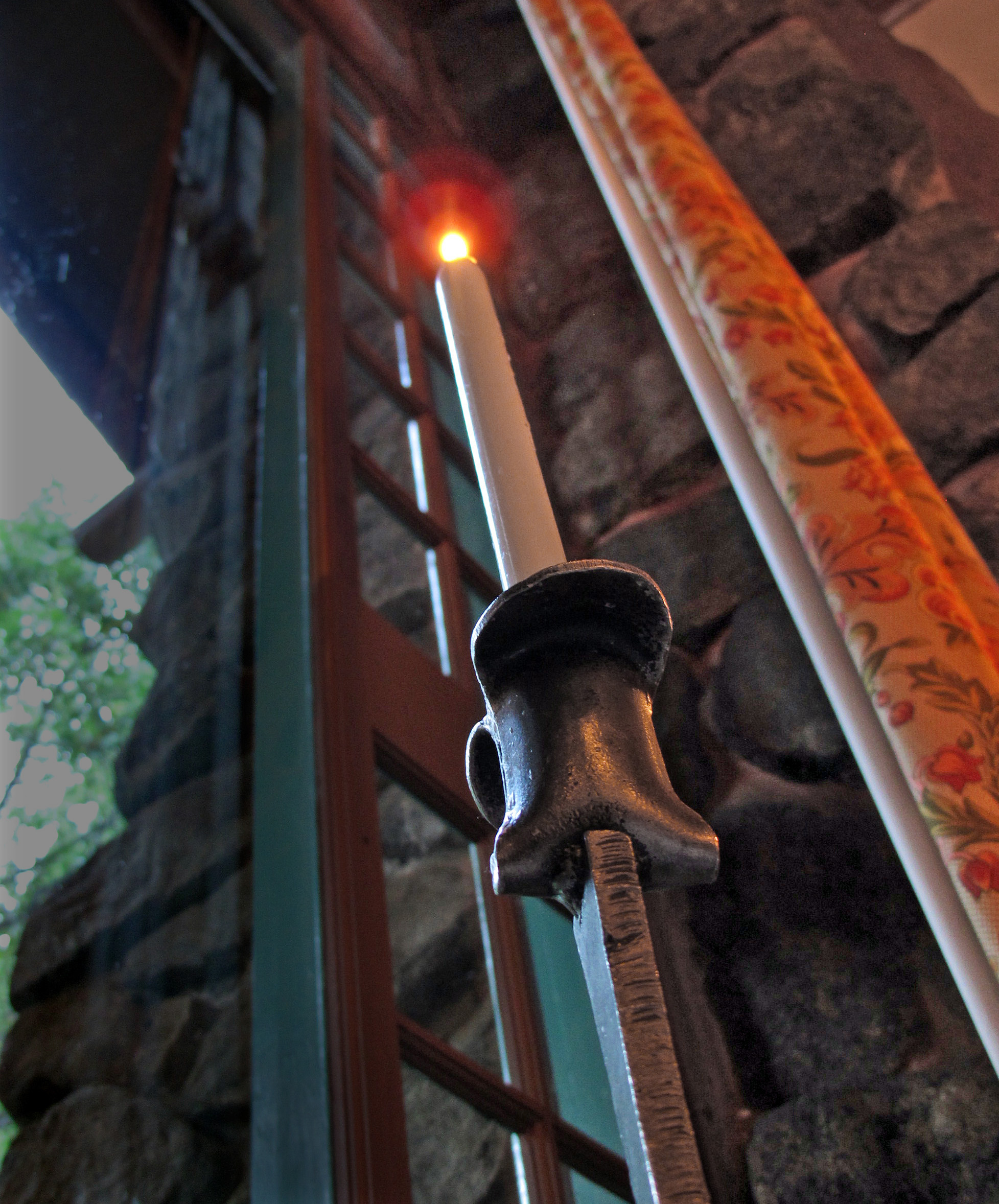
But in the act of revival, we become ones who can bear light, candles whose brightness cannot be diminished—
reanimated, re-formed—
our hearts reshaped by grace and everyday, imperfect human love into something we never imagined we might be.
(for Dick, honor of his third rebirth-a-versary, Jan. 15, 2022)
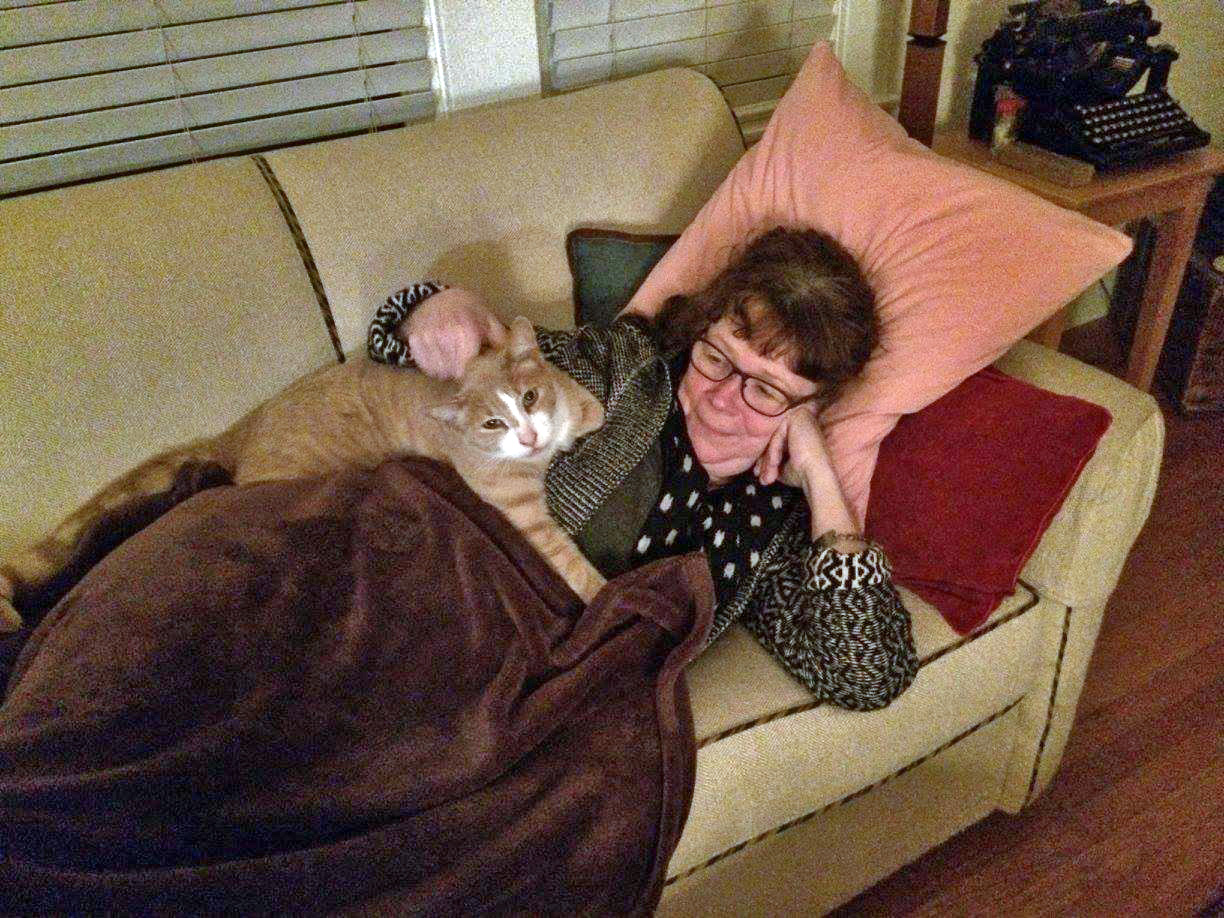
Diego and Georgann, Dec. 12, 2016, at Jan’s house.
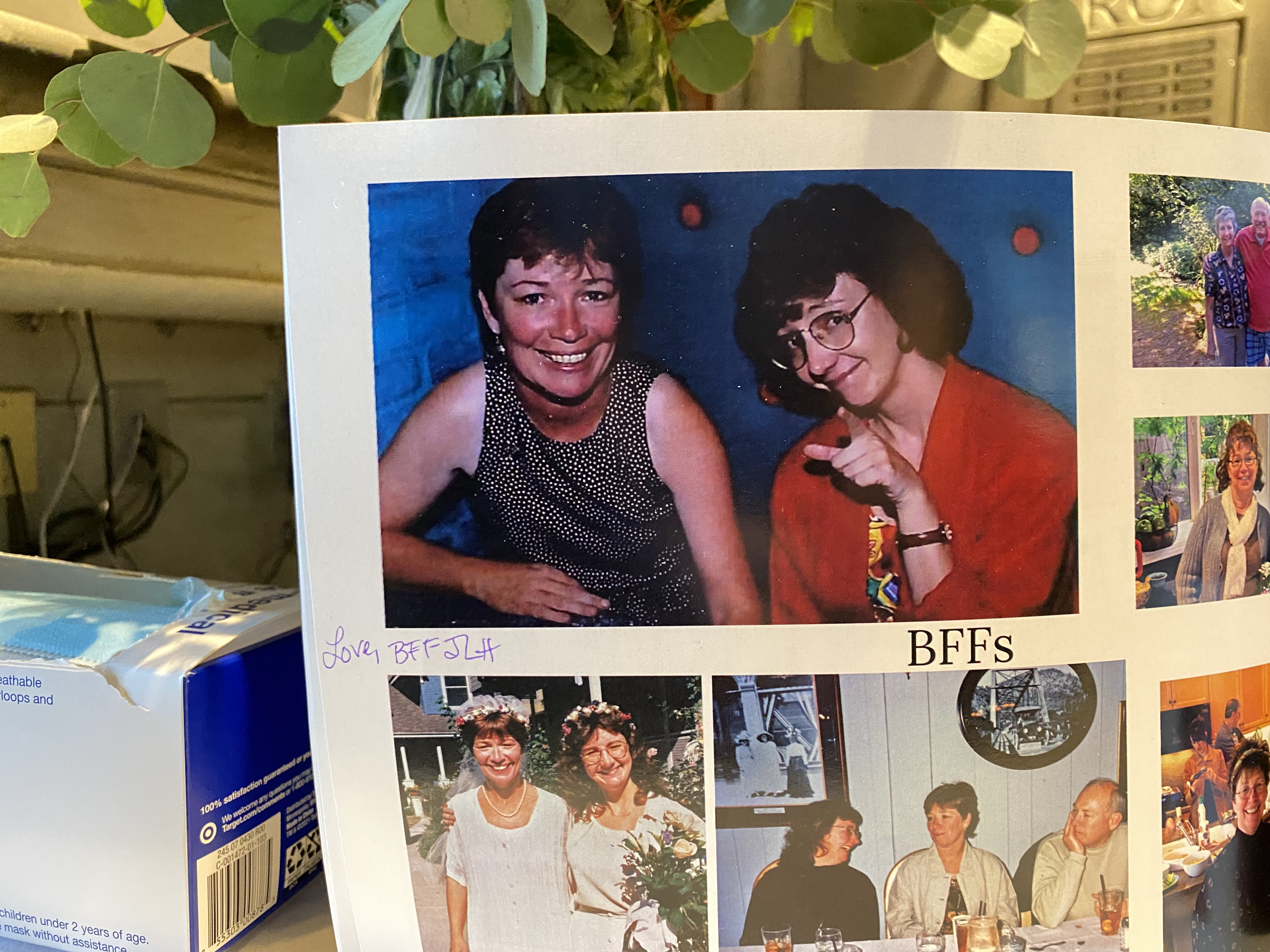
Diego, the big doofus, loves to lie on people, and here he sprawls on my BFF, Georgann (Taylor) Turner, on this day in 2016. I believe this may have been her last trip to Northern California, despite her tremendous pain as she dealt with metastasized colon cancer.
Never one to pass up the opportunity to take advantage of a warm blanket and person, Diego and Georgann rested together for a while that afternoon and evening. She, a kitty person, too, accepted Diego’s love (and enormous purr) as the great compliment it was and is. (And it is great—he’s a whopping 15-pounder of feline.)
Thinking of my BFF who died in August, as I do pretty much daily, grateful that she survived a dozen years with cancer. She wanted as much time on the planet as possible, and she got it at her home in Bremerton, Washington, thanks to the love and care of her family, particularly her husband, Ron Turner.
Thank you, BFF, for all the love… and your parking fairy, who found me a super-close spot today as dear friend Lisa and I went to the theater. We thanked her, as one does the parking fairy, as you taught me. That’s one way I know you’re still around!
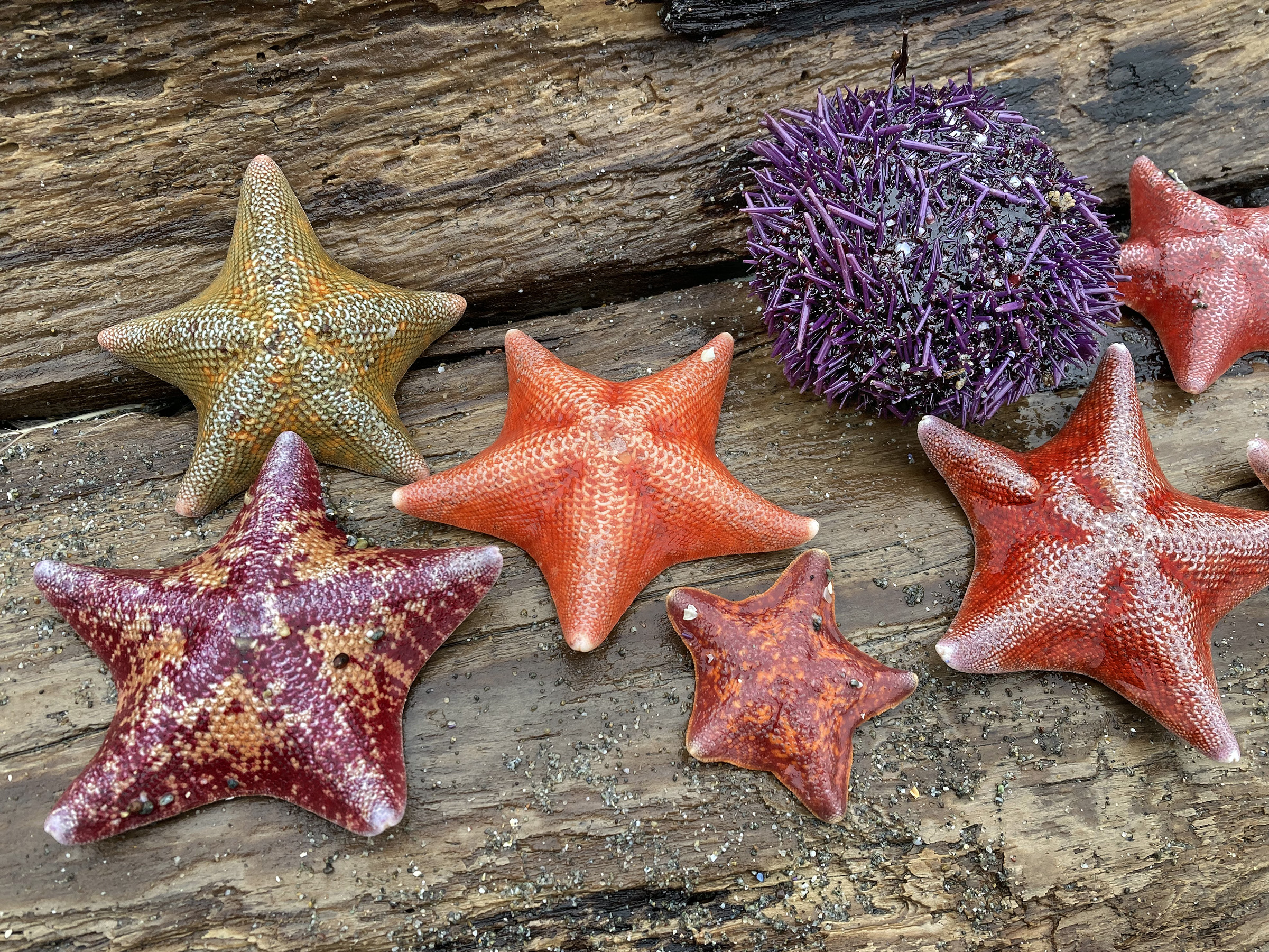
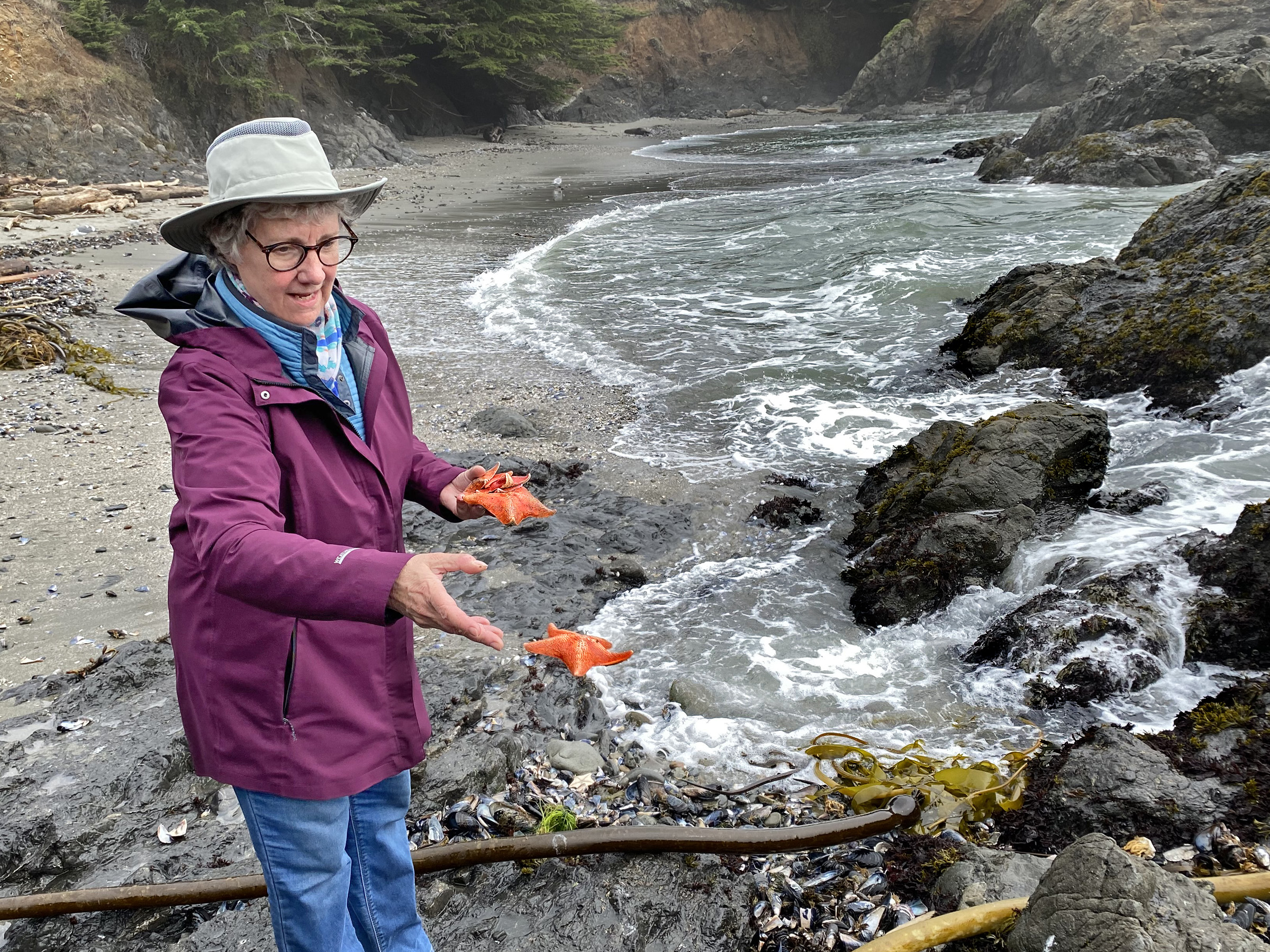
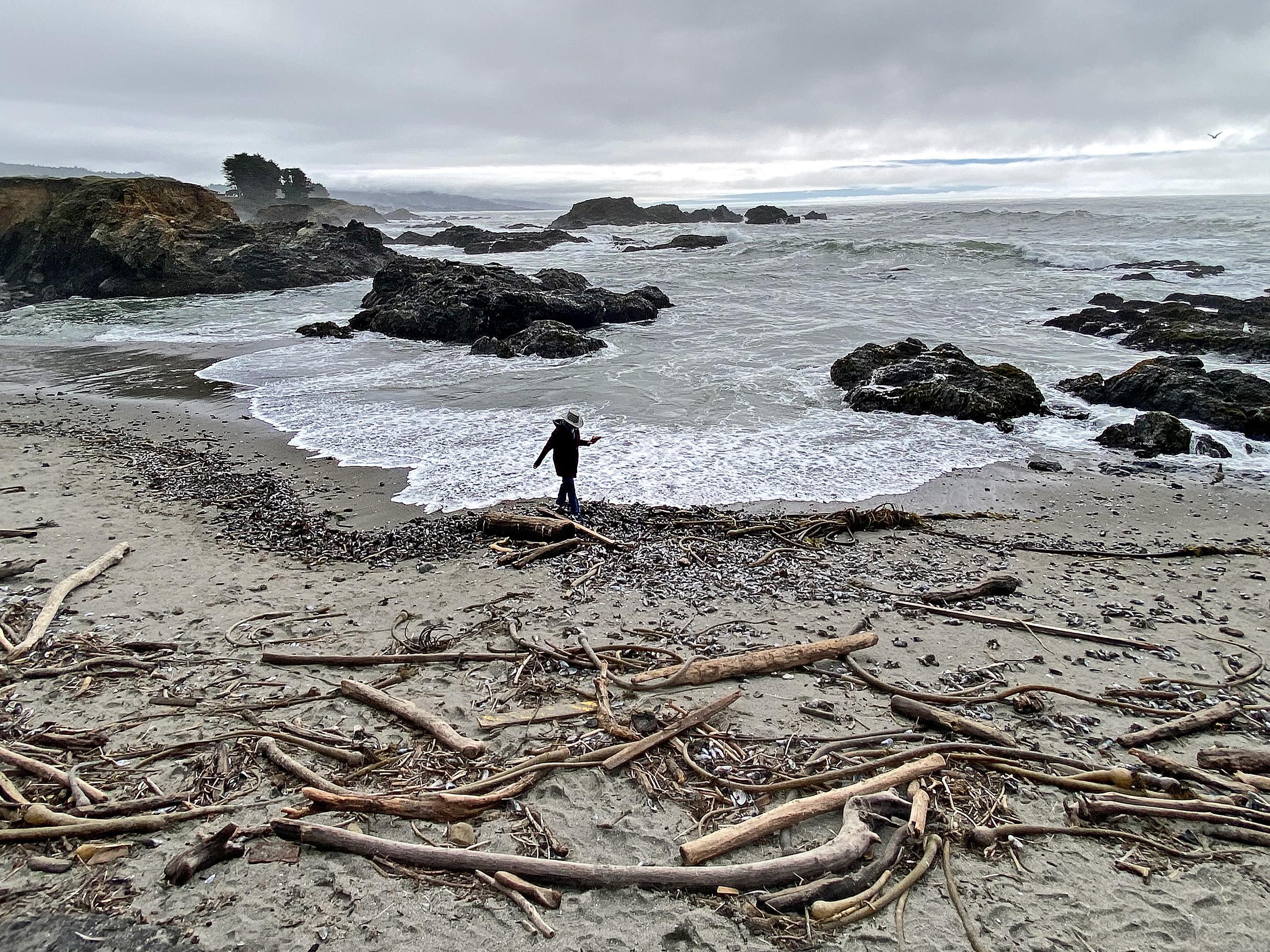
I’ve never held so many stars, but the October storm washes them ashore, bright points of light wrapped in knotted ropes of yellowed kelp and dulled mussels. Wave after wave bounces them to the sand, and, as the water recedes, I run to their rescue, scoop up as many as I can, return dozens to normally placid tidepools.
But the ocean is having none of it, churned and frothed as it is, crashing into the crevices and pools with the force of an angry god. I continue my vain efforts to restore the sea stars to their rightful home. Perhaps they—like the bent-spined purple urchins and oval gumboot chitons I send into the surge—are already lost.
I cannot tell.
For an hour I collect their carroty five-pointed bodies from the debris, cradle the rust, the crimson, the cranberry, one the color of a mottled lizard, ferry them to the corner of the cove where tide kisses land. I can do so little— the proverbial drop of water in a vast sea— but I fetch and toss the little invertebrates with great hope, small beings I can try to save in a lifetime of watching death win
Put on your shoes and walk in the world, talking to me. I’m right here with you; I’m always within reach. It’s a good time to chat, so go ahead. You’ll know it’s me when you know it’s me. But even when you’re not sure, I’m listening.
Sure, I can help you find missing things, but I’m not one of them. I have not gone astray. Death is just a change of address, remember? You wrote that a long time ago, and you were right.
No, I can’t give you my new address— it’s not a place—but when you stand in the back yard, hose in hand, watering the last yellow zinnia that insist on popping up its sunny head, even if it is October, listen with your whole heart.
When you sit in the loft with others and see what shows up as you type, when you let the words appear, take good notes. You’ve gotta whole cheering section here. I’m just the latest addition.
You did it better than you thought you did. You’re doing it better than you think you are. What it? Every it. You always have done.
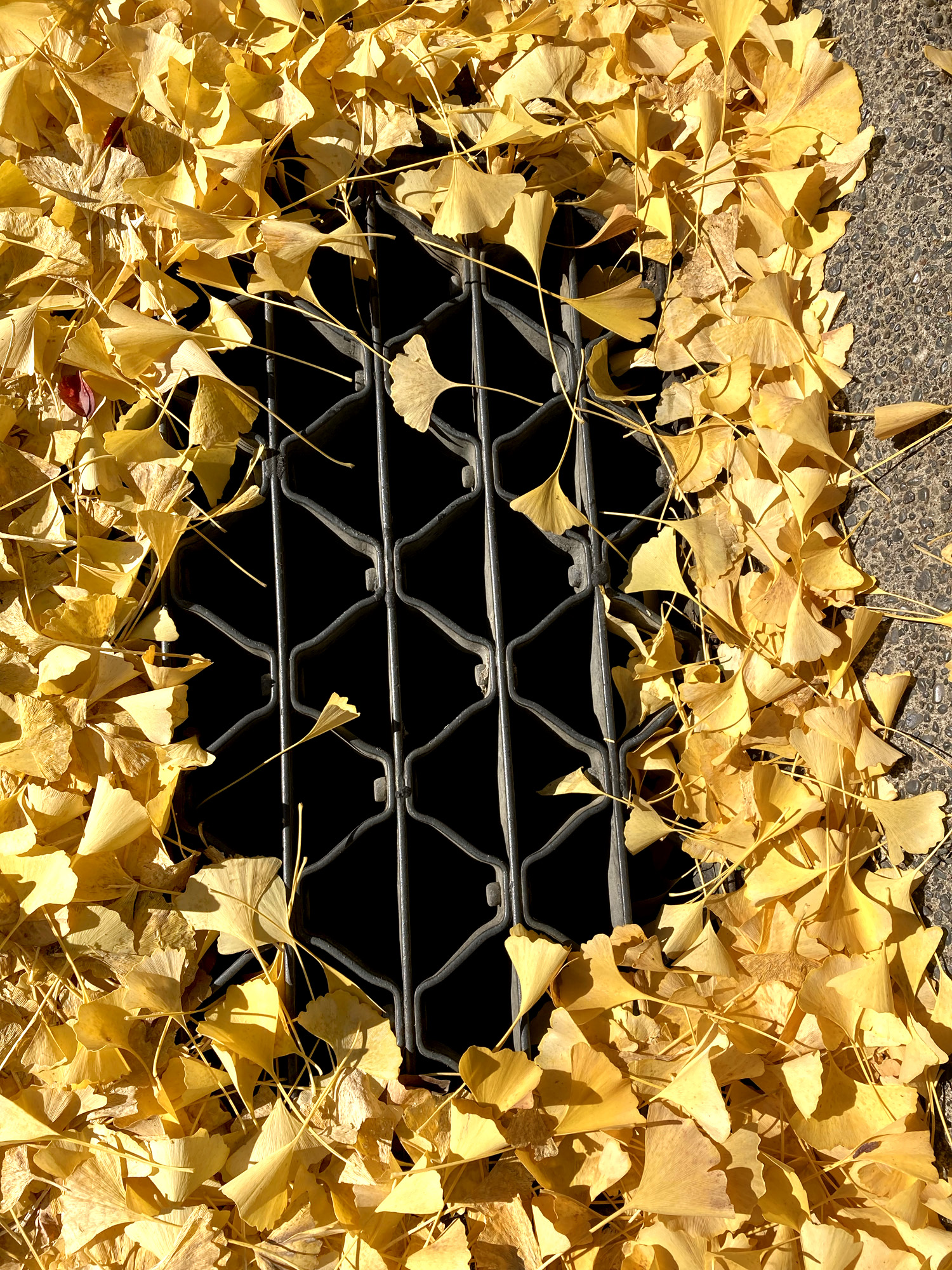
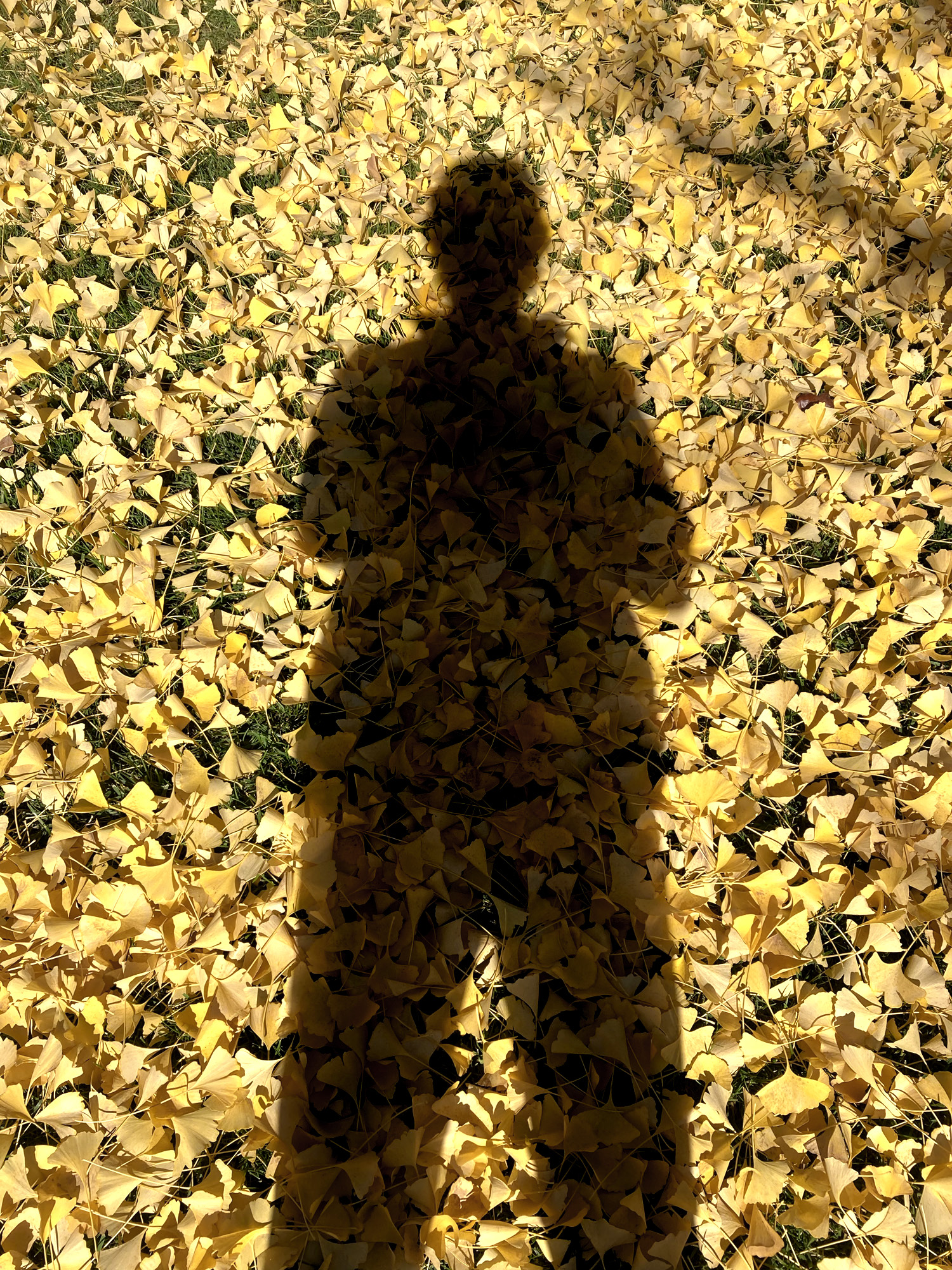
Yes, it’s fall, the dying season, not your favorite, though it was mine. Now, as you walk, inhale the cool. The heat has finally shifted hemispheres. Scuff your feet like a little kid through leaves on the path. Stop, crouch, admire their fallen state. Soak up golden gingkos and blushing maples. Pick up acorns and their jaunty caps that have separated in the falling. Relish the crunch of brittle sycamores.
Every leaf is born, lives, dies. Tuck them into your heart, where the ebbing summer and I will carry you through every winter, into every spring. As one does.
This is no ending, my friend. Trust me. It’s not.
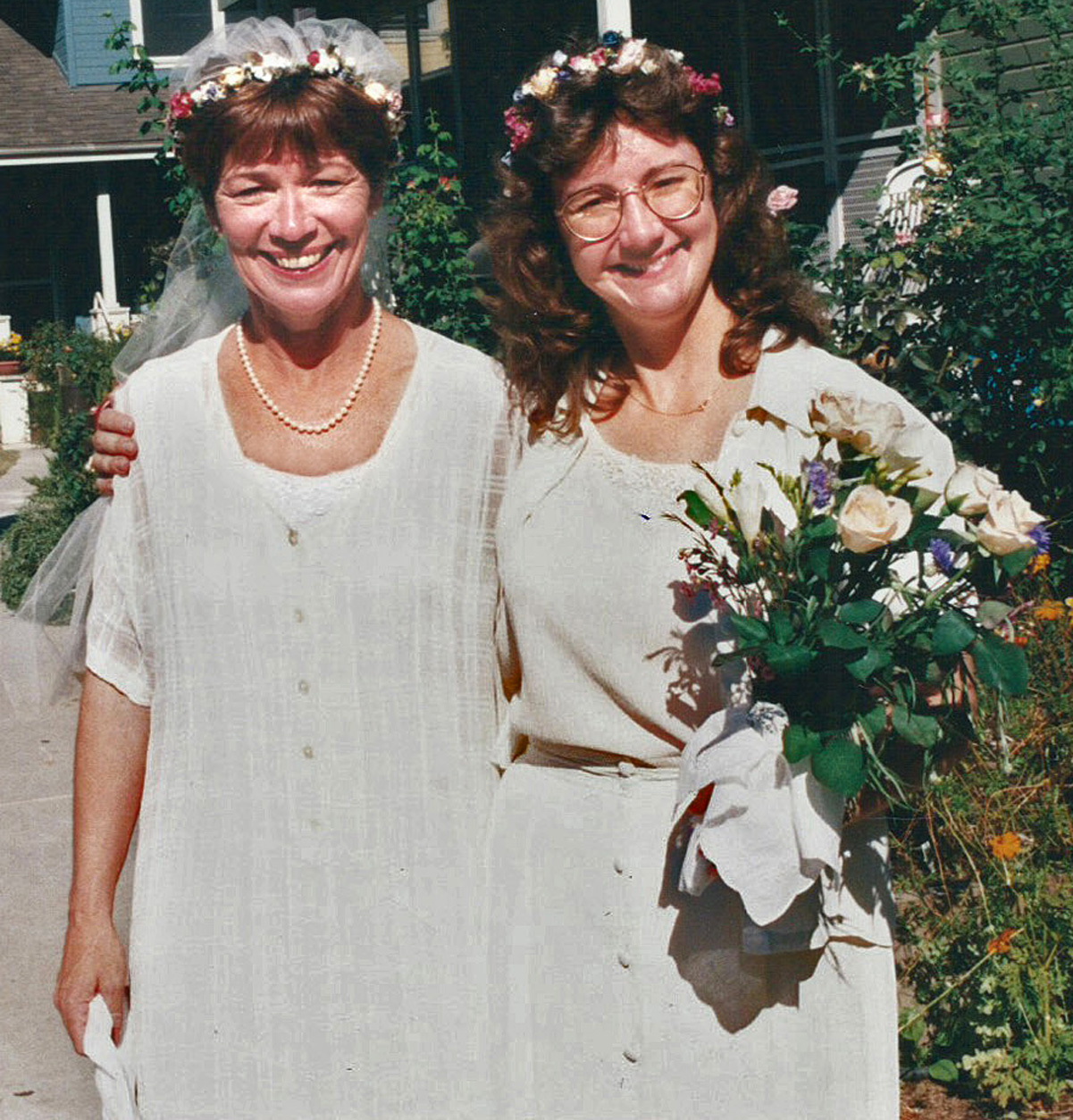
Georgann Turner on her wedding day, Sept. 26, 1996, with her best gal, Jan Haag
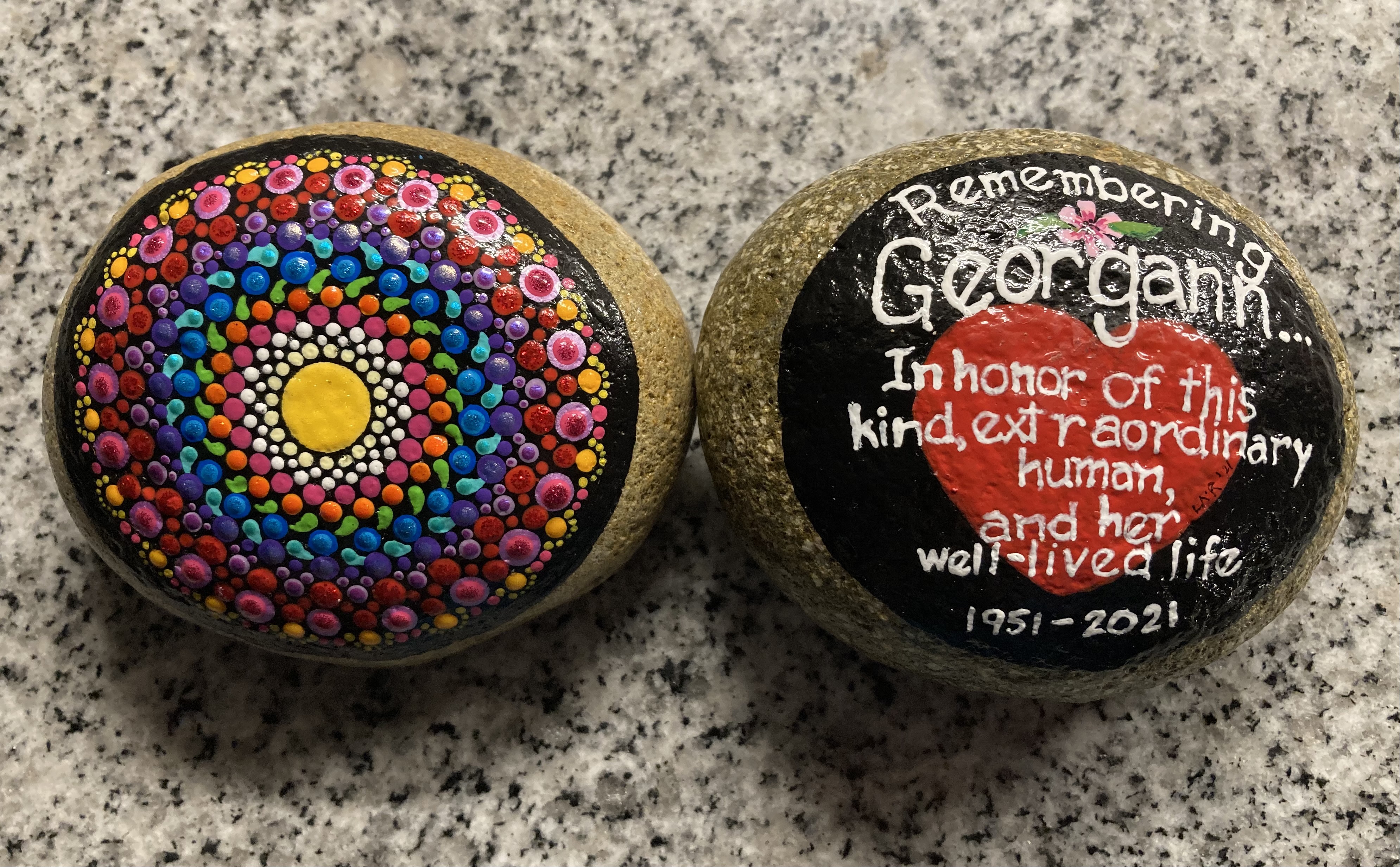
Rocks by Laurie Aboudara-Robertson of Napa, California.
About 50 people gathered in Sacramento the day before Georgann and Ron’s 25th wedding anniversary for a ceilidh. That’s pronounced kay-lee, and it’s Gaelic for a party, which Georgann loved. Her brother, Bill Taylor, opened his former restaurant for the ceilidh, and her oldest kids—Andy, Tiff and Jena—did the heavy lifting the day before to set up the place for what turned out to be a grand gathering.
A number of folks spoke about the extraordinary human who was Georgann Taylor Turner, and we ate and reminisced, and there were certainly damp eyes. But I can’t help but think she enjoyed the ceilidh in her memory. She promised to show up for us, and I don’t doubt that she did.
The same evening I’d been invited to read at a Sacramento Poetry Center outdoor reading. I decided to read four poems about Georgann. This was one of them.
Ceilidh
for Georgann
Two days after our hemisphere shifts into autumn, your loved ones gather for a party, a wake, a meal, a social gathering in your memory— though without a good Irish band for dancing.
Still, you’d call it a ceilidh, as you named a cat that you bequeathed to me long ago. I never could spell her name without looking it up, but Ceilidh, the sweet calico, graced my house until it was her time to go. As it was yours just a month ago.
You, who saw the spiritual in the ordinary, who preferred the overcast cool of fall to searing summer, who bestowed upon us her fierce devotion, who found the holy in repetitive tasks—cooking, planting, raising children—who loved a good ceilidh.
Yours was a vibrant light, even as it faded, even as our side of the planet begins its tilt away from the sun, as the wings you’d grown lifted you into mystery, as we celebrate you, at last unencumbered, and carry your essence with us as we traverse all the seasons to come.
I don’t know. Maybe it’s because my partner, a 40-year photojournalist, recently chronicled the decommissioning of The Sacramento Bee building, and I provided some words to go with those photos (which you can see in the September issue of Sacramento magazine here). Maybe it’s because working for newspapers has provided me with some of my greatest colleagues and experiences, as well as some pretty awful ones. Maybe it’s because ink seeped into my veins as a kid who started her own neighborhood newspaper and later as a teenager hanging around Linotypes at a small-town paper. Even though the ink of newspapers makes me sneeze, I have a soft spot for words and photos on newsprint.
Last year as The Bee, shuttered by COVID, began taking apart the building where it had made a daily paper since 1952, it began disposing of surplus. I got excited when, in my final year as a journalism professor, advising students who had not put out a physical newspaper for three years, I learned that The Bee was giving away its old newspaper boxes—the kind that sat on corners holding newspapers. Boxes into which you’d feed quarters, lift the lid and take a copy of that day’s paper.
My City College colleague Randy, with whom I advised the Express, was also a former Bee photo guy. We decided that we’d use his vehicle to snag each of us a Bee box. The Bee wanted people to promise to paint out The Bee logos on the boxes, particularly if they planned to display them as, say, free little libraries, which is something that’s now done with old newspaper boxes. I had no plans to paint anything. I wanted a beaten-up old Bee box to sit in the urban jungle that makes up half my back yard as an artifact of journalism, not unlike the old, rotting typewriters there. I consider it a writer’s garden art.
But it was not to bee. The guy giving away the boxes who was supposed to have our names on a list didn’t contact us about pickup, and when we eventually reached him, we eventually learned that all the boxes were gone.
I was a little disappointed, but that’s how things go. I only worked for The Bee for a few years—nowhere near Randy’s or Dick’s tenure. Instead, on the last day of the decommissioning process of the building at 21st and Q, Dick and I were given the last two rolls of newsprint in the building—demos, if you will, that used to sit in the lobby when they’d sell the end rolls to people for a few bucks. Blank newsprint makes dandy wrapping paper, especially if you’re moving or need to wrap, say, dishes before boxing them. We were tickled to have the end rolls and their price tags.
Still, I wished I could have snagged a newspaper box.
Well, I got my chance on the 20th anniversary of 9-11, a somber day for sure. That’s when I learned that the Sacramento News & Review was giving away its newspaper boxes. Bring a vehicle to their parking lot and pick one up. They had a number of them that had been painted by artists, but by the time I arranged with my friend Timi Poeppelman to drive me over in her SUV, those were mostly gone.
Not to worry—they had plenty of their original, bright red boxes with Sacramento News & Review stickers on them, too. And that’s what I wanted for the urban jungle.
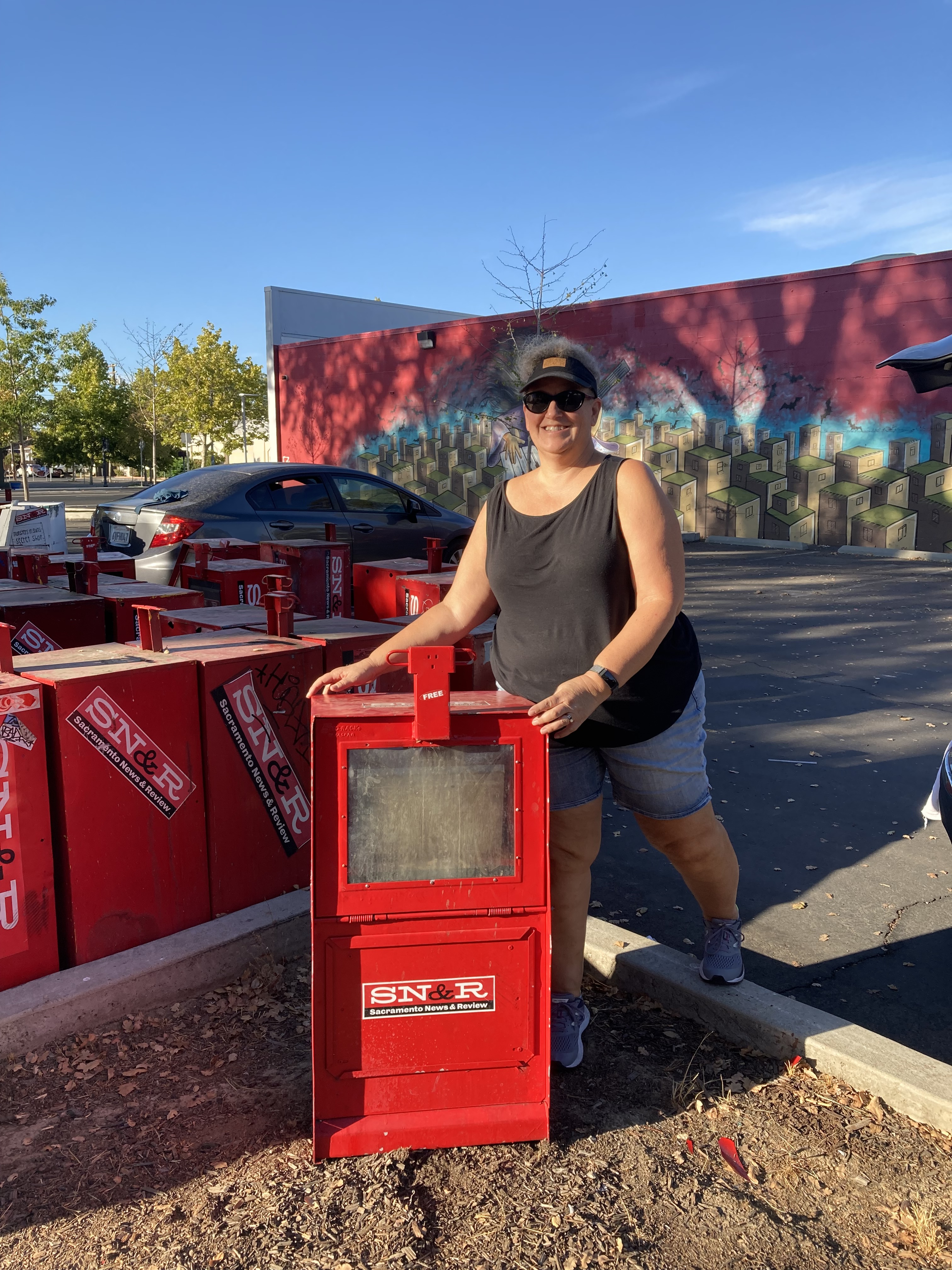
Timi and the SN&R box
Timi confessed on the drive to the SN&R that she’d been feeling guilty because she knew I wanted a Bee box… and she had snagged two of them. One for her and one she took to some kids in Oakland, where they turned the box into a little free library. She hopes to turn hers into a library, too, which will require painting it.
“I should’ve helped you get one then,” she said. But honestly, we were both busy teaching, and Timi is the person who made it possible for me to teach online for two and a half semesters. She coached me on the Canvas platform that colleges use for everything from assignments to tests to class discussions. She taught me how to teach on Zoom. And she was always available for my panicked phone calls when something didn’t work correctly—usually me. I literally could not have done my job without her. (Thanks again, Timi!)
“No, no,” I said. “This is even better.”
And it is. The Snooze (and I have long used that name for the SN&R with great affection) and I became good friends after I became a full-time journalism prof, missing newspapers. I’d become professional acquaintances with its founding editor, Melinda Welsh, when I was the editor of Sacramento magazine in the early 1990s. After I started teaching at Sacramento City College, I volunteered to work a few hours a couple of times a week at the SN&R with some of her editors. They were smart, competent young women, learning the ropes of journalism, and I loved working with the two Rachels and one Laura. They all went on to bigger papers and fine careers, and I served as backup copy editor to Laura, who was no slouch herself.
Melinda and I have remained friends all these years, sharing writing and having occasional lunches. I’ve long loved the Snooze and have had I-don’t-know-how-many journalism students intern and eventually work there.
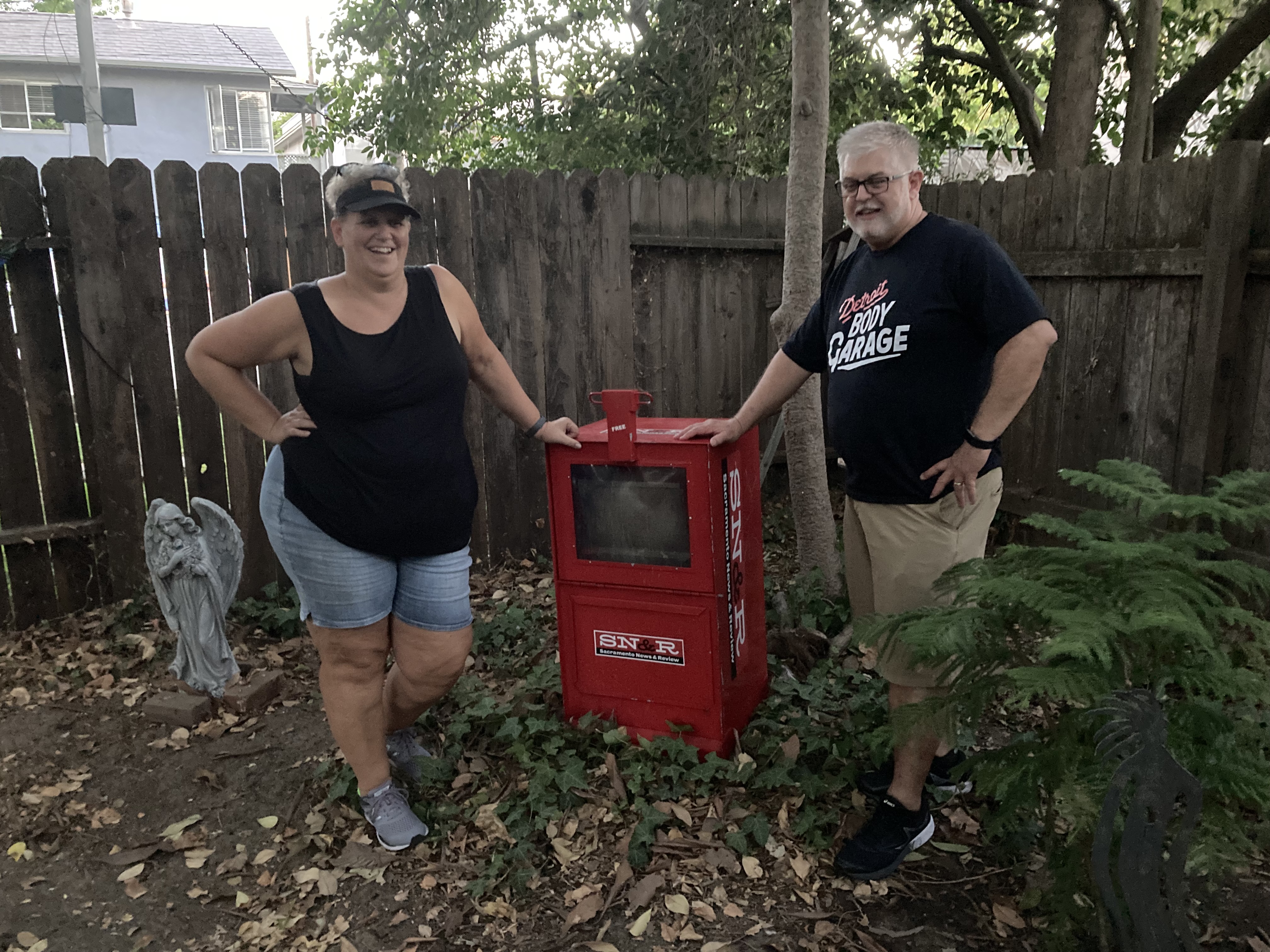
So Timi and I found a red SN&R box in pretty good shape and loaded it into the back of her SUV. Before I could offer to buy her lunch or a coffee, she said all she wanted in return was a matcha, so we went to our neighborhood Temple Coffee Roasters. Her husband Rick joined us there, and after tea, coffee and conversation, we rode back to my house where Timi and Rick carried the red newspaper box down my driveway, into the backyard and plopped it in the urban jungle. (Thanks, you two!)
The next day I cleaned it out (why people think newspaper boxes are trash cans is beyond me) and hosed it off, delighted with this bit of newspaper history in my yard.
I hate that the SN&R is no longer printing copies you can pick up from those boxes for free, and that it’s easier to access The Bee online, too. But I’m happy that one of my former students is currently writing for the SN&R online (go, Casey!), and that, despite its many trials—including a vastly reduced staff—Bee journalists work diligently to produce good journalism. It’s not what it used to be; few newspapers are.
Dick and I consider ourselves lucky to have worked in print journalism as long as we did. I’m proud to have coached thousands of student journalists, many of whom worked or are working in the field today. There’s still a need for good, carefully reported news and quality visual journalism. Much of it is no longer produced in the great quantities it was on newsprint, delivered to people’s homes or distributed in boxes like the one in my backyard.
But I’ll look at the newspaper box and think of my former colleagues who toiled in newsrooms and had their stories and photos printed on newsprint and give thanks for them all. I’m proud to have been one of them.
Timi and Rick after moving the SN&R box to my backyard.