I did not fall from grace: I leapt to freedom. —Ansel Elkins, “Autobiography of Eve”
What if every fall is a leap to freedom? What if the cast is the cocoon under which a simple caterpillar gestates? What if, in every ending—as brutal, heartbreaking, unfair as it feels— lies a beginning, a promise, a do-over, a surprise? What if that surprise is peace?
What if, as we clear away the clutter of a season or a lifetime, we discover treasures? What if one of the treasures is grace, which cannot be fallen from, which is our birthright, which accompanies our every step, no matter how shaky, every breath, no matter how ragged?
What if we are born anew every morning, every moment with big, blinking eyes, with perfect little feet and fingernails? What if we are beheld with adoration by one looking at us right now (perhaps one we cannot see), thinking—
There you are! A miracle… has there ever been such a lovely you?
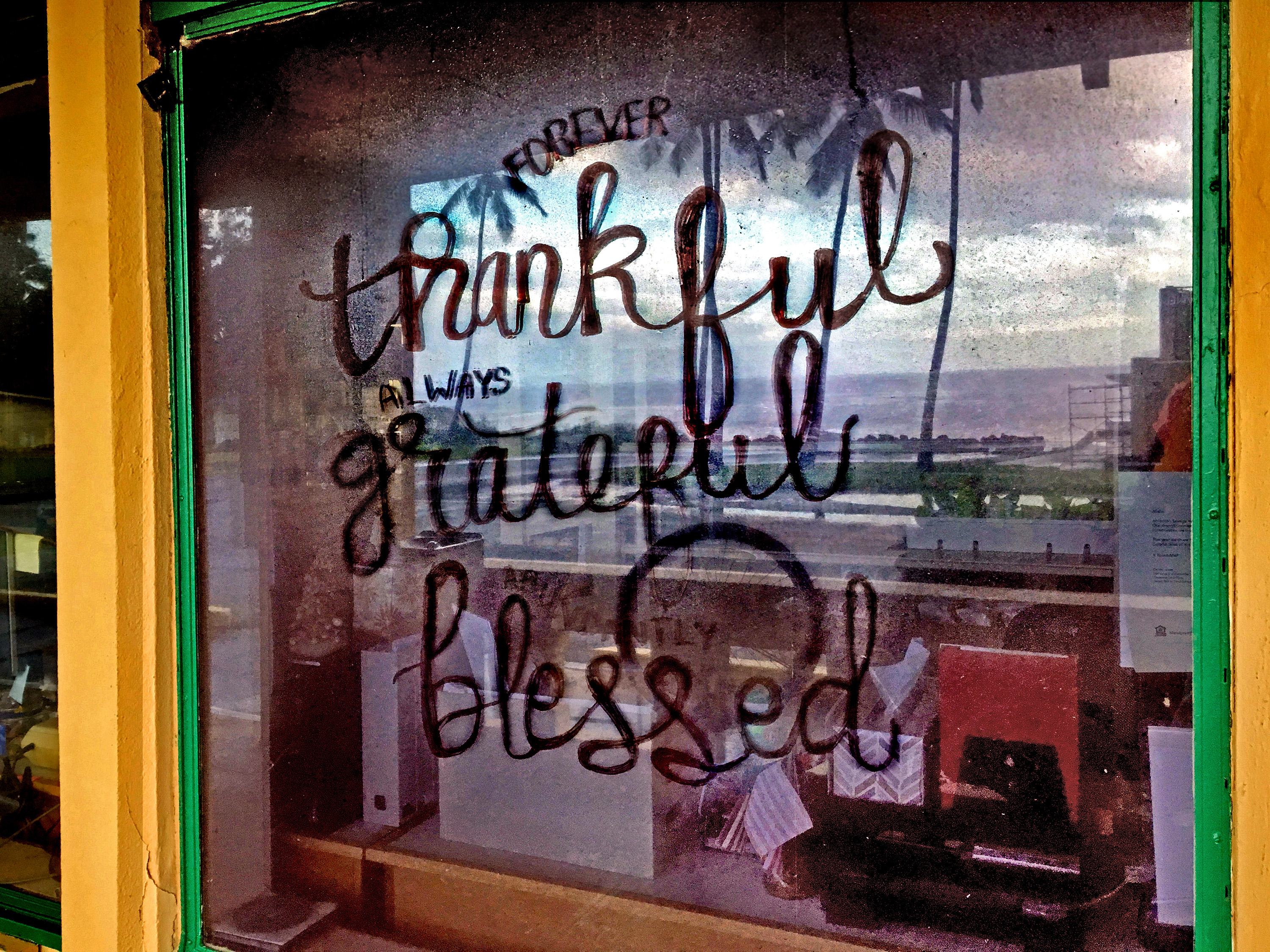
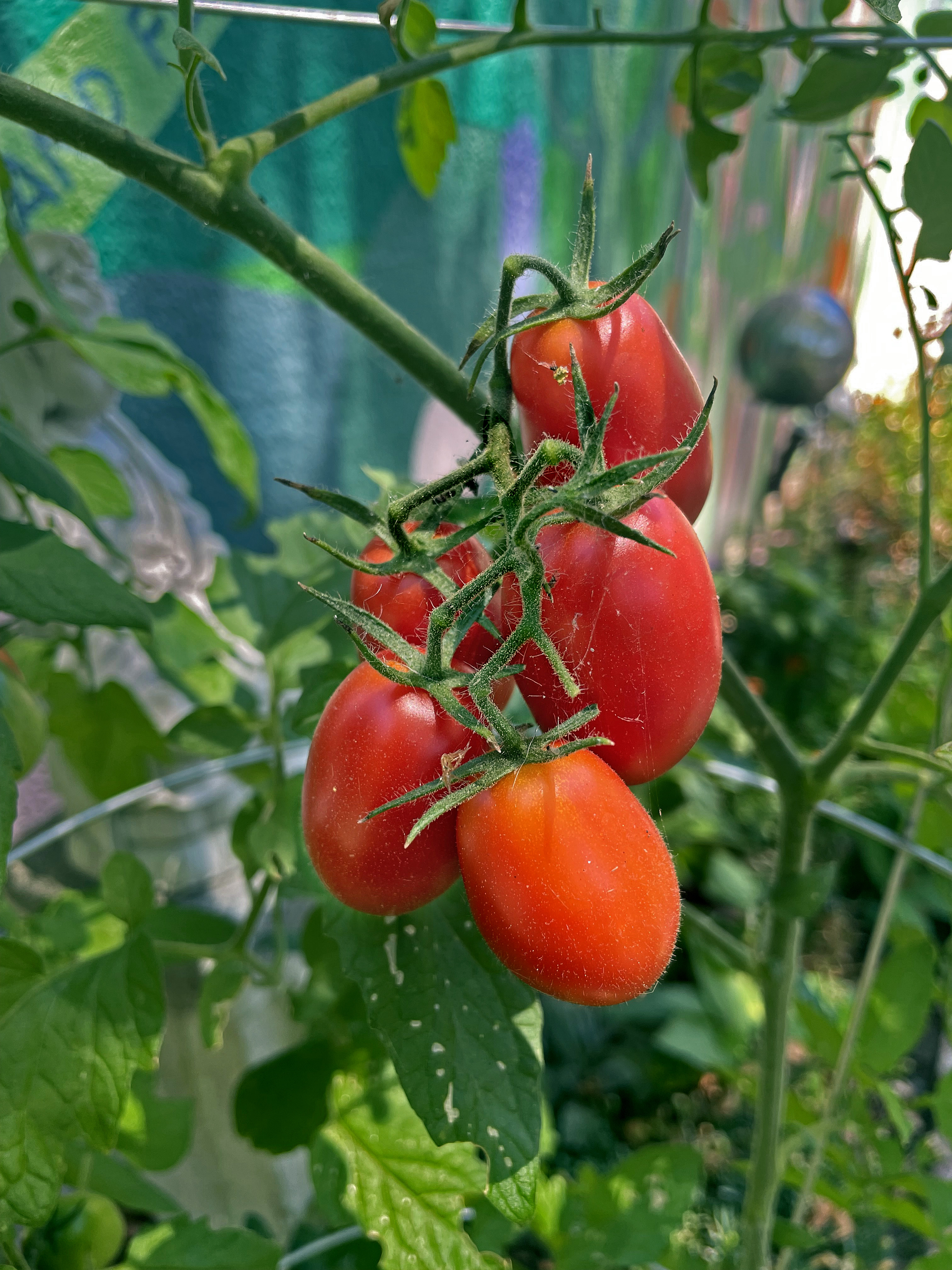
Leaves, Woodside, Sacramento, California / Photo: Jan Haag
I cleaned off my desktop for you. Not my actual desktop, though there are two of those in my office.
The one I am sitting at is overfull with all manner of stuff— three skinny tubes of lip balm, small sticky notes, two thumb drives, three cough drops (wrapped), several of my business cards (in case I forgot who I am?), an unreasonable number of pens, the small pink fan (which I could retire for winter) and my trusty red, old-school, heavy metal stapler. And a printer.
Among other things.
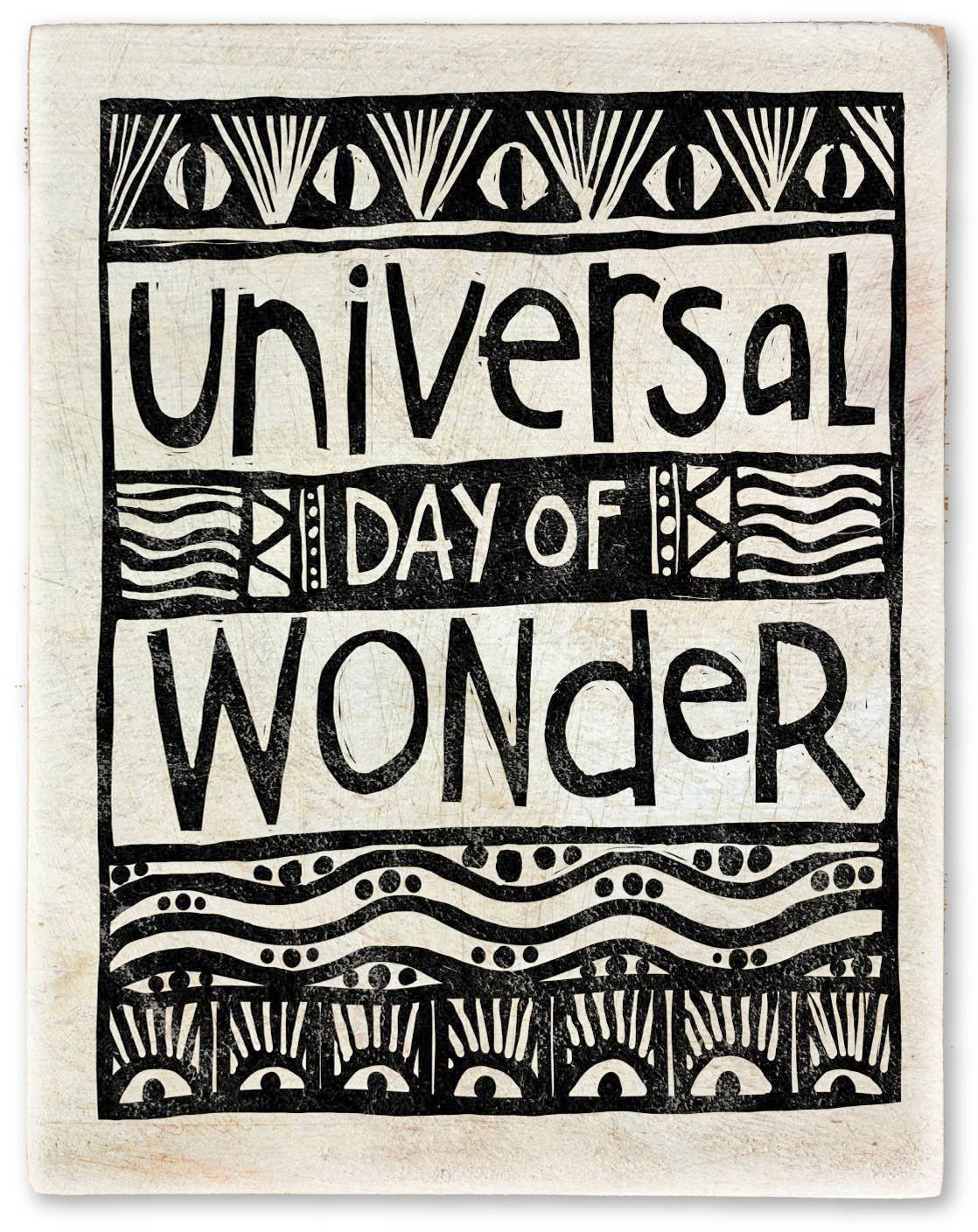
But because the iMac popped up a reminder about your birthday, and the universe provided the perfect wallpaper photo at the very same time (what are the odds?),
I cleaned up the messy Mac desktop so I could snap a screenshot to show you how beloved you are (in case I haven’t said so enough)—
you, the childhood BFF, the third Haag sister (as Donna and I are likewise the second and third Lester sisters),
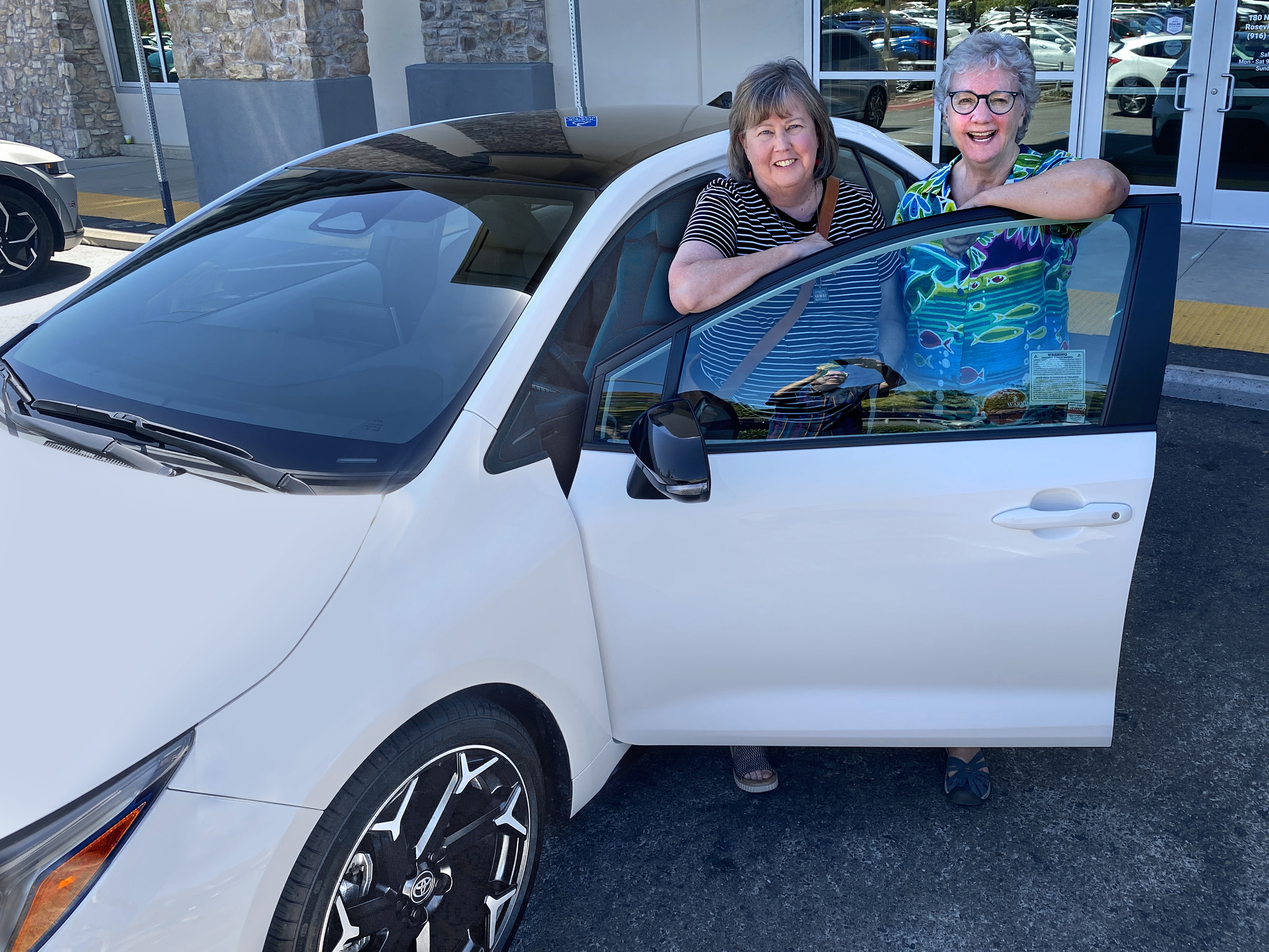
the marine zoologist Dick and I adore, with whom (as we had earlier —n the day of this photo) we love to prowl beaches and peer into tidepools as you point out sea creatures with exotic names before returning to your day job doctoring all manner of kitty and doggy.
You, who also likely still keeps a messy desk or two— thank goodness, not just me—
you of the great, good heart, you, our Sue-babe, HBD2U, here’s to many, many more.
Sue, Dick and Jan at The Sea Ranch, 2021 / Photo: Dick Schmidt
Though the river has shrunk to a slender fall ribbon, exposing a narrow band in the center of the channel populated with trees going about the business of shedding,
we walk the sandy trail looking for the telltale splash of sea lions who swim upriver to make their home, however temporarily, in these fish-rich waters.
Sure enough, in a spot where children on a walk pause with two smiling adults to watch the show, we stop, too, riveted by the sight of a big guy in the water flopping at the surface, not unlike a big fish, though whether catching or playing we cannot tell.
And when he swims upriver, we follow on the parallel path, eager to catch glimpses of his big head, his slick back, gleaming under the morning’s sun.
For no matter how many times we witness these little miracles of one who has migrated far from home, to waters unaccustomed to his kind,
we applaud the presence of this fellow, quite oblivious to the way his presence has delighted us, reminding us to pause, look and inhale the glorious in the everyday.
The American River, Sacramento (with a sea lion out there somewhere) / Photo: Jan Haag
The night before I never saw most of my students again— only some of their framed faces via a newfangled form of online communication—
I watched a massive synchronized cloud, thousands of starlings zooming as a collective whole over a fall-harvested field, looking east over the stubble into the setting sun of a promised spring,
bird ribbons whirling and pirouetting, tiny ballerinas in silhouette dancing as a single breathing, wing- and heart-beating organism.
All this as crows cawed to their brethren from not-yet-leafed trees against the hazy sky, end-of-day tangerine seeping into blue-gray.
I did not see the murmuration as a sign of what was coming, of the millions about to be flung into chaos, thrown into the air, ready to fly or not.
Instead I stood in the parking lot, unaware that this would be the final in-person college class I would ever teach, thinking
that it takes only one starling to copy the behavior of seven of its neighbors, then those nearby copy seven of theirs and so on until the entire group swoops as one to avoid a predator or catch insects in flight before finding someplace safe to roost for the night.
I watched that evening sky show, enthralled not for the first time and certainly not the last, by nature’s special effects that astonish mere humans,
phenomena that transport us out of our little lives for a breathtaking moment if only we stop, look up and allow ourselves to marvel.
Murmuration, Aberystwyth, Wales / Gregory Hunt / Ferrari Press Agency
A woman, filled with the gladness of living, put the purse of her body on the table and began to unpack it.
“I have no need of this,” she said to no one in particular, though the fluffy black cat watched her, as he often did.
And she withdrew the bones of her feet and arranged them prettily on the table, as though from an archaeological site,
the phlanges and metatarsals, names she had long ago learned in anatomy class, and above them, from her purse,
emerged the bones of her legs—the long tibias and fibulas—and above them the patellas that underlaid her knees,
anchors for the strong femurs that locked like baseballs into the glove of hip sockets around the pubis, the coccyx and the sacrum.
She stood back, admiring her arrangement, mindful that it was not truly hers, that the framework of her existence was a gift
from the ancestors, so she murmured her thanks into the ether, trusting that it would be received as she hoped to be. Resuming her task,
the vertebrae tumbled out of the purse of her body like dice, and she chuckled as she gathered them up and studied them carefully
before putting them in the correct order. “You’ve been such a good body,” she said then, assembling the cage of her sternum,
the humerus of her arms, the ulna and radius of her hands, then moving upward to arrange the long collarbones and stacking the cervical
vertebrae of her once elegant neck. And there she paused, as the cat cried and she smiled. “Thank you for the good life,” she said,
retrieving the heavy ball of her skull to top the horizontal sculpture on the table, just before her boneless skin suit fell to the floor,
and the cat walked over to it to sit on the last bits of her warmth, curling up, as he so often did, for a good nap.
•••
With thanks for the inspiration from the first line of the poem “Table” by Edip Cansever (translated from the Turkish by Julia Clare Tillinghast and Richard Tillinghast). And thanks to Phyllis Cole-Dai, Author for the prompt and her joyous Joysters group.
The poetry inside you is a chalice and it is golden.
—”Chalice” by Kathryn Hohlwein, May 18, 1930 – Nov. 18, 2024
•••
I sat in the poetry center waiting to read a few of your poems on the eve of the anniversary of your death, holding a honey lozenge in my mouth hoping to quell a seasonal cough.
Of course, you were there, alive in the eyes of your children who miss you terribly, coming from the tender mouths of others giving voice to your words.
And I thought of you who often found new poems arriving at night in bed, even in your final days in the hospital, honeyed lines that you held in your mouth, allowing them to melt into you, able to recite them the next morning.
And in my own waiting, I felt your sweetness against my own palate. The cough did not arise, though your words did from my mouth at just the right time.
•••
For Laura Hohlwein and Reinhard Hohlwein in memory of their mother, Kathryn Hohlwein