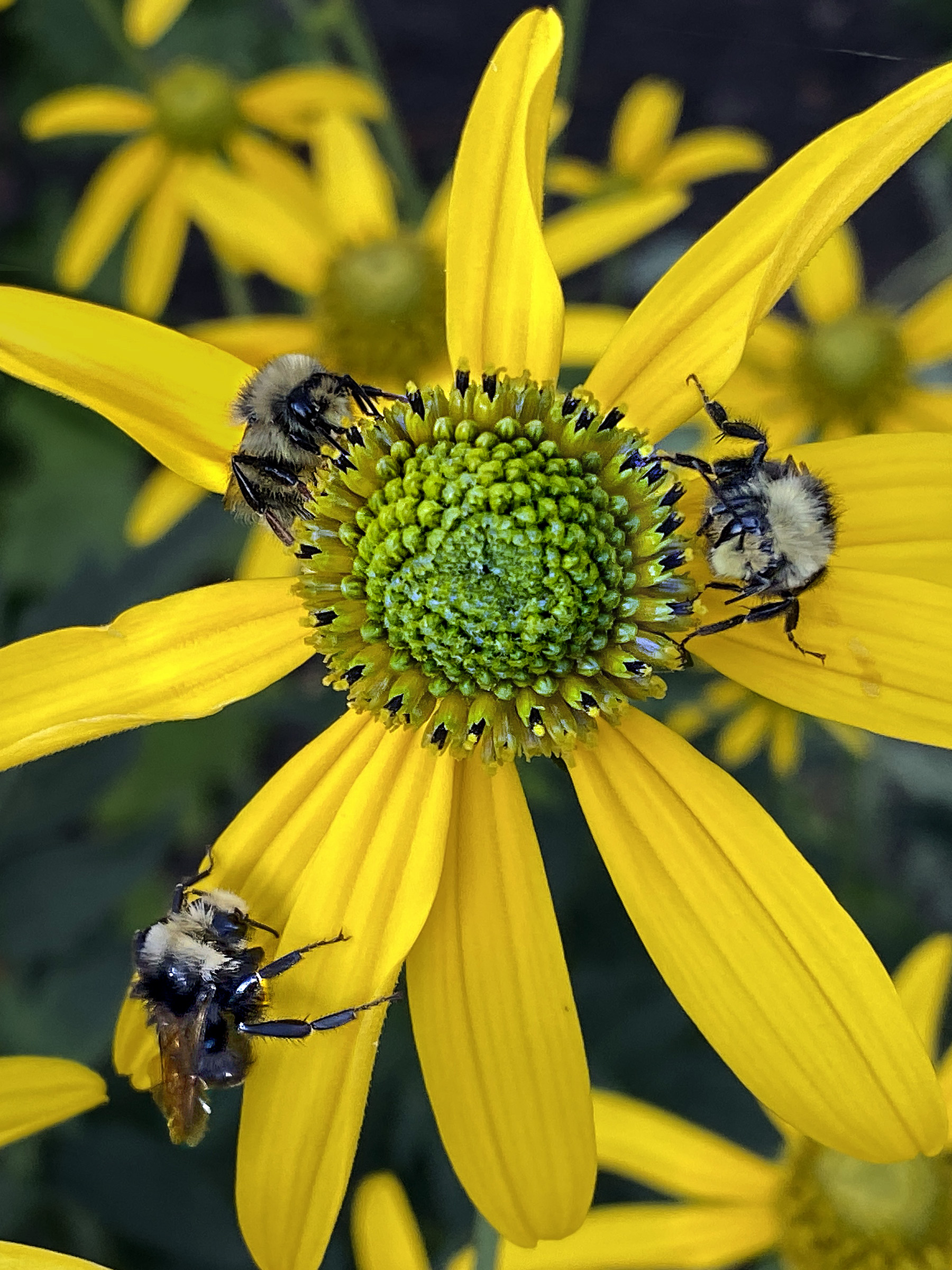
We come upon them, stilled atop bright yellow coneflowers near sunset, settled in for the coming night, so quiet they hardly seem alive.
But this is how bumblebees rest, the females returning to the nest, the males in need of a safe haven to bed down.
We all look for a place of refuge where we can fold our wings and rest our fuzzy heads full of a day’s business. And if we can do so with companions, more the better.
We fortunately retired worker bees admire the assemblage of more than a dozen snoozing pollinators spread across a sprawl of petals the color of sunshine, careful not to disturb them.
May the day’s residual heat keep them cozy overnight until fresh sunlight arrives to warm their wings, spirit them into flight and buzz their way back to work again.
•••
With thanks to Kathy Keatley Garvey for her Bug Squad blog posts that teach me so much about insects.And to Dick Schmidt, retired (Sacramento) Bee photographer, for his kindness in shooting on-the-spot assignments like this one.
Canary yellow fins of a kayak paddle flash between the soft blue of sky and teal green of Tahoe’s nearshore,
as a boy embedded to his waist in the small craft masterfully maneuvers under and around the pier where his grownups sit sunning on a sparkling September afternoon, quieter now after Labor Day,
this hatted child paddling with confidence much greater than his years, a big sister and little sister in matching lifejackets and striped shirts like his, wading, calling for their turns,
the little one clambering aboard to kneel behind her brother, her hatless blonde head gleaming gold into the day.
Take me back! she commands her captain, who pilots her to a floating dock as she urges, Faster! Faster! and he complies, yellow fins blurring against the sky.
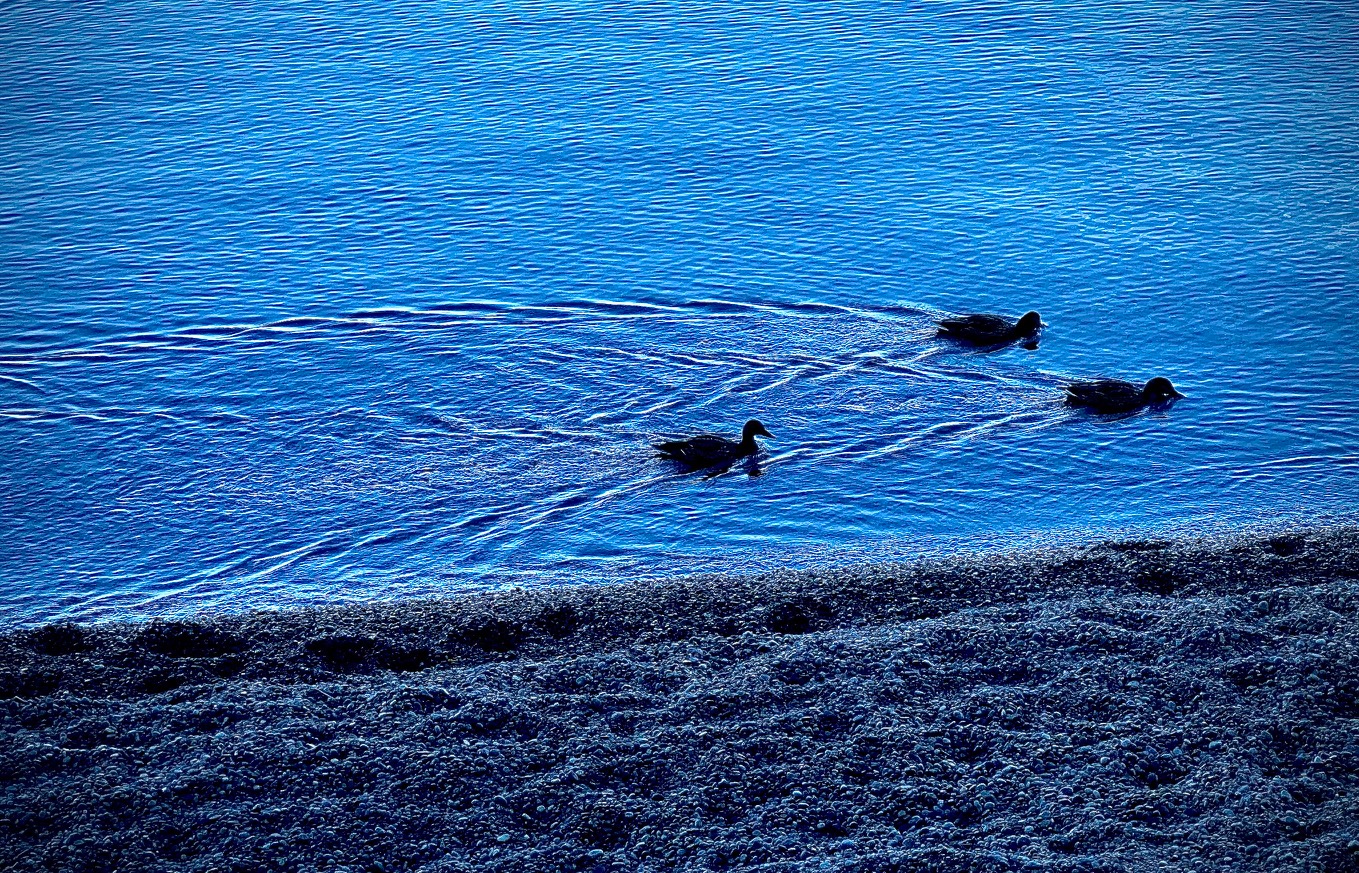
He’ll be negotiating rapids in a few years, this young ferryman already chauffeuring passengers on watery adventures, paddling with the certainty of the female mallards floating nearby,
all of them turning into small waves moving shoreward, bobbing nose first into what’s coming toward them.
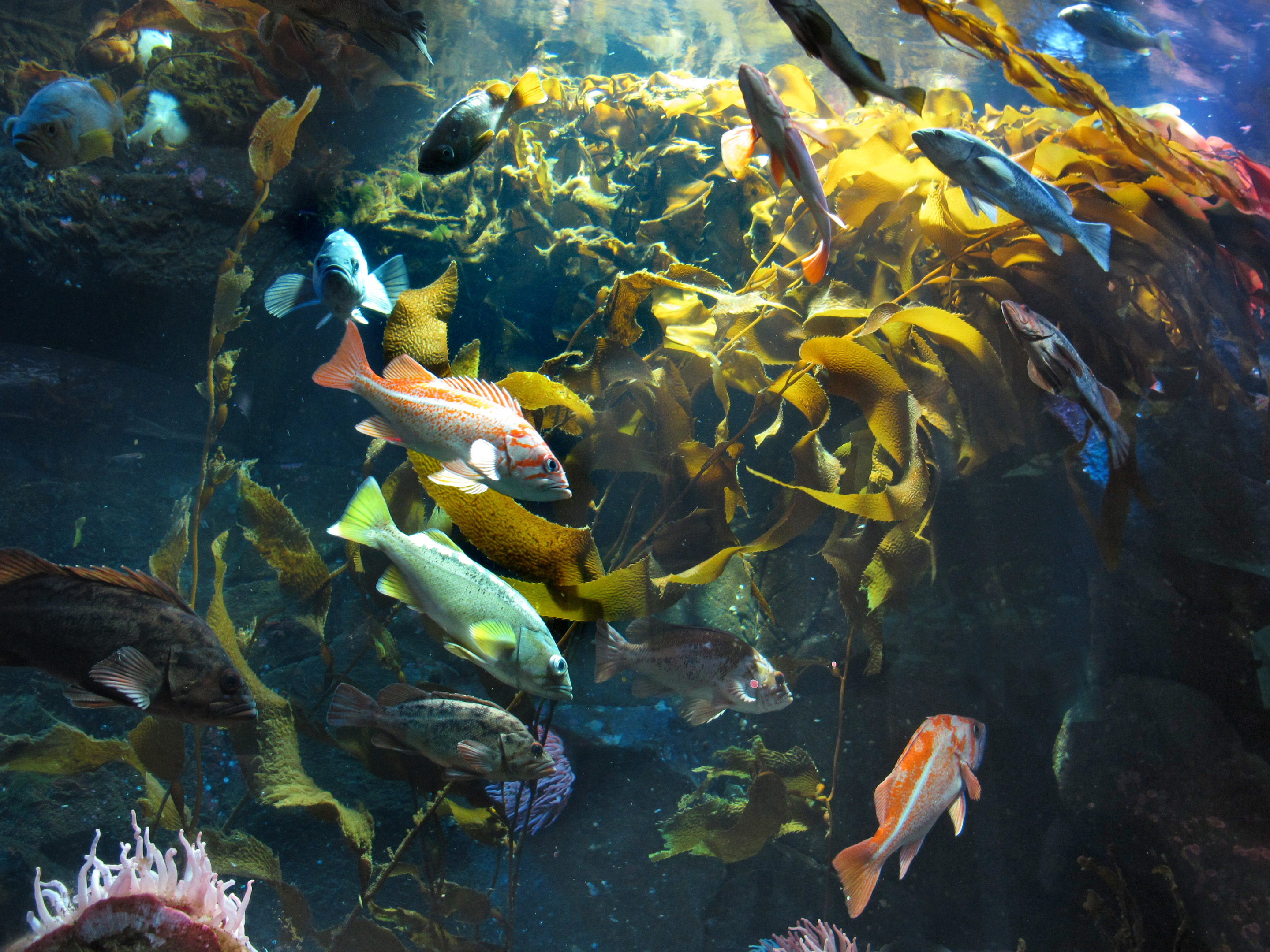
We are fish out of water, little sister, far from where we started: flat land close to ocean choked with palm trees and orange groves, sidewalks for roller skates and bikes, Disneyland, four grandparents, two aunts and an uncle and two older girl cousins we adore.
Now we find ourselves hundreds of miles north, amid hills laced with giant-armed oaks and long, waving grasses that lighten under summer sun, like our hair that grows more blonde each day. Our skin pinkens, too, with itchy poison oak bumps that teach us: leaves of three, let them be.
We live next to a big lake that floats the wooden ski boat Daddy built with Grandpa. And next summer, after we finish all our swimming lessons, Mommy will float with us in the deep blue, steady us until we are pulled to our feet, on long, wooden planks, wobble a bit, then magically skim across this liquid expanse.
We are girl fish growing gills that allow us to breathe this new kind of air.
• let your brain roll around in its hard shell • grasp at this thought or that • mull over the to-do list (or avoid it) • allow your monkey mind to leap from branch to branch until it settles into a perfect spot in a just-right tree, to get itself out of the way & allow what wants to emerge to emerge
Permission granted to forgive:
• the hard stuff • the missteps • the mistakes • the blunders • the embarrassing I-can’t-write/talk-about-this stuff • the parent/teacher/adult in charge who got it wrong/yelled/ blamed you/made you feel less than/maybe didn’t mean to • the adored one who said, It’s not you, it’s me • the ones who were not the best choices • the ones who were good choices but had some less-than-good moments • your own less-than-good moments • leaving when it got too hard • staying longer than was wise • the things you ingested/inhaled/imbibed that did not serve you well • the dying pet you had euthanized perhaps too soon— or not soon enough • the friends/family/lovers/spouses/partners/kind-hearted ones whom you did not tell nearly often enough thank you/ I love you/you’re the best/I’m so lucky to find myself in your orbit
Permission granted to:
• let go of all the woulda/coulda/shouldas • love anyway • apologize • be forgiven • cry if you want to (it’s your party) • let the world work its healing magic on your cracked-open heart & (best of all) • remember that it’s all story, so write it down & watch those malleable words turn to art in your kindly/capable/compassionate hands.
Last light blazes horizontally through the urban jungle of volunteers in all shades of green, around the thick, old sycamore flashing leaves the size of bread plates. Sunbeams strike the century-old house, turning its pink stucco vaguely tangerine.
On the deck, two slender ficus rise from their pots, grateful to spend summer outside, unaware that coming cooling nights will require relocation inside over winter.
On the lawn the orange cat snoozes belly up, more golden than usual in the waning light, his spine comfortably twisted, rabbit feet twitching on some dreamy adventure. The older brown tabby stalks tiny bugs lifting skyward, swats at them with surprising speed for an old girl.
And you, caretaker of this place for now, sit crossed-legged on the grass, remember sultry evenings when, just over there,
small nieces and nephews splashed in a blow-up pool, when young men wielded long-handled forks and spatulas before a spherical black barbecue, when elders sat in homemade Adirondack chairs on the deck they helped build, hands wrapped around cold beer bottles,
when, for a spot of a moment, family gathered for occasions you can no longer name—
when you were half of that couple, when he still breathed, when you tumbled into bed, exhausted and happy, next to him, the one with whom you made this place a home.
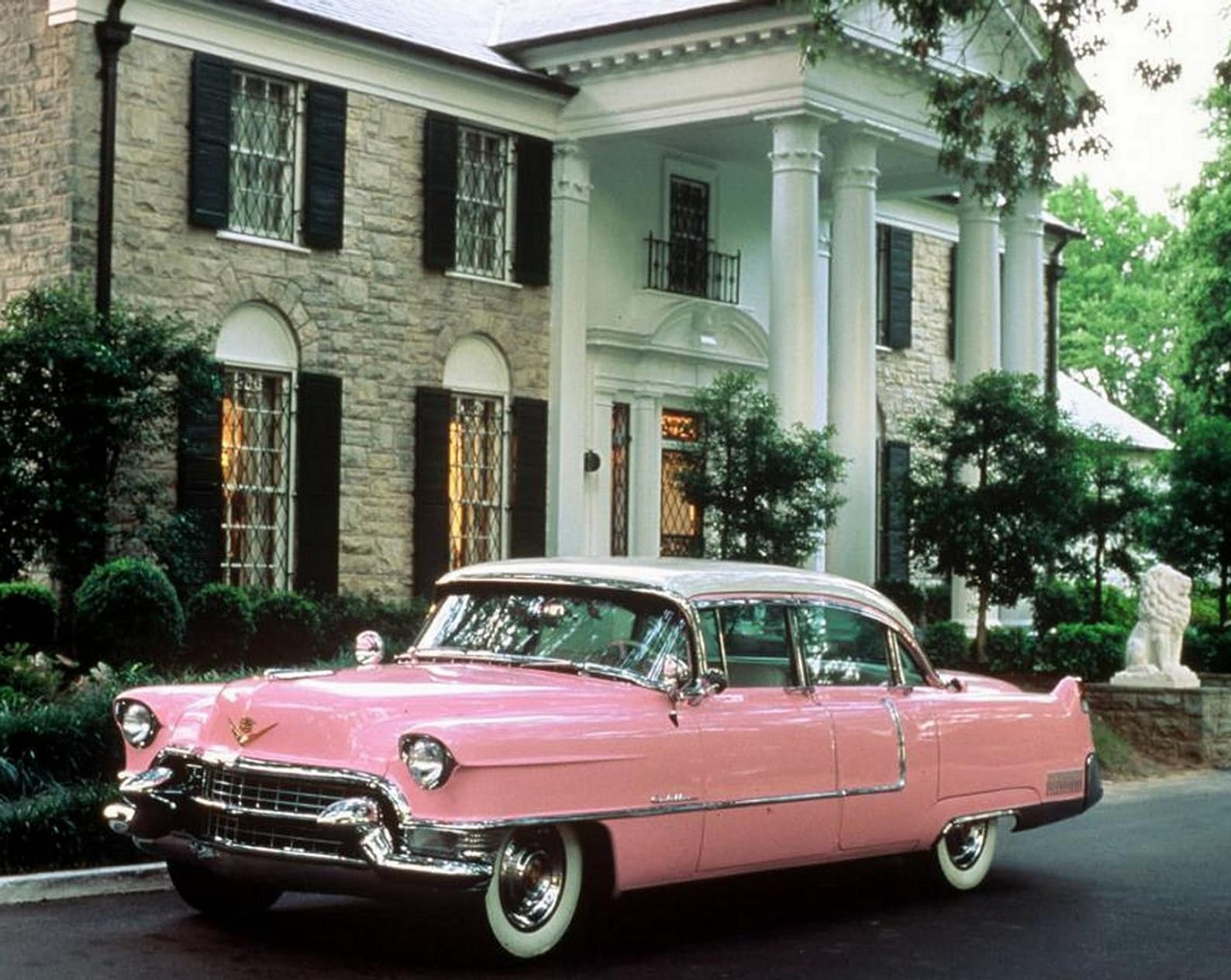
Well, you may go to college You may go to school You may have a pink Cadillac But don’t you be nobody’s fool.
—from Arthur Gunter’s “Baby, Let’s Play House,” recorded in 1955 by Elvis Presley with additional lyrics
•••
On this day in 1957 Elvis plays the Lincoln Bowl in Tacoma, Washington, before 6,000 screaming fans—
two years after he hits the national charts and signs a record deal, when he buys his first Caddy, a 1954 Fleetwood Series 60. In pink. Which, several months later, goes up in flames and dies by side of the road between Hope and Texarkana.
But he’s Elvis. He buys a replacement. In blue. Has a neighbor on Lamar Avenue repaint the new model in a shade later dubbed Elvis Rose, which he gives to his mama, who does not drive. So Elvis does.
It’s the thought, of course.
But it is Bruce who, seven years after the King’s death, brings the pink Cadillac to life for me in his raspy baritone, on the B side of a 45 with a driving bass line and Clarence’s wailing sax:
I love you for your pink Cadillac, crushed velvet seats, riding in the back cruising down the street, waving to the girls, feeling out of sight, spending all my money on a Saturday night….
Elvis’s ride lives enshrined at Graceland, of course, and I wonder how many older ladies and perhaps not a few men swoon over that glamorous symbol of luxury and pizzazz. I fear, should I find myself there one day, I might do the same— not because of the man who owned it but because of the song that has thrummed through my brain for nearly four decades:
Some folks say it’s too big and uses too much gas. But my love is bigger than a Honda. Yeah, it’s bigger than a Subaru. Man, there’s only one thing, only one car that’ll do….
And though my love is bigger than the Hyundai in my driveway, it’s gotta sound system that’ll crank up Bruce so he and Elvis and I can motor down the highway singing with all our might:
Honey, I just wonder what you do there in the back of your pink Cadillac, pink Cadillac, pink Cadillac, pink Cadillac….
•••
You can listen to Bruce Springsteen’s 1984 recording of “Pink Cadillac” here.
Elvis Presley’s pink Cadillac in front of Graceland / Photo courtesy of Graceland
In these summer months named for Roman emperors—Julius and his adopted son Augustus— we find ourselves happily full of two sets of 31 days,
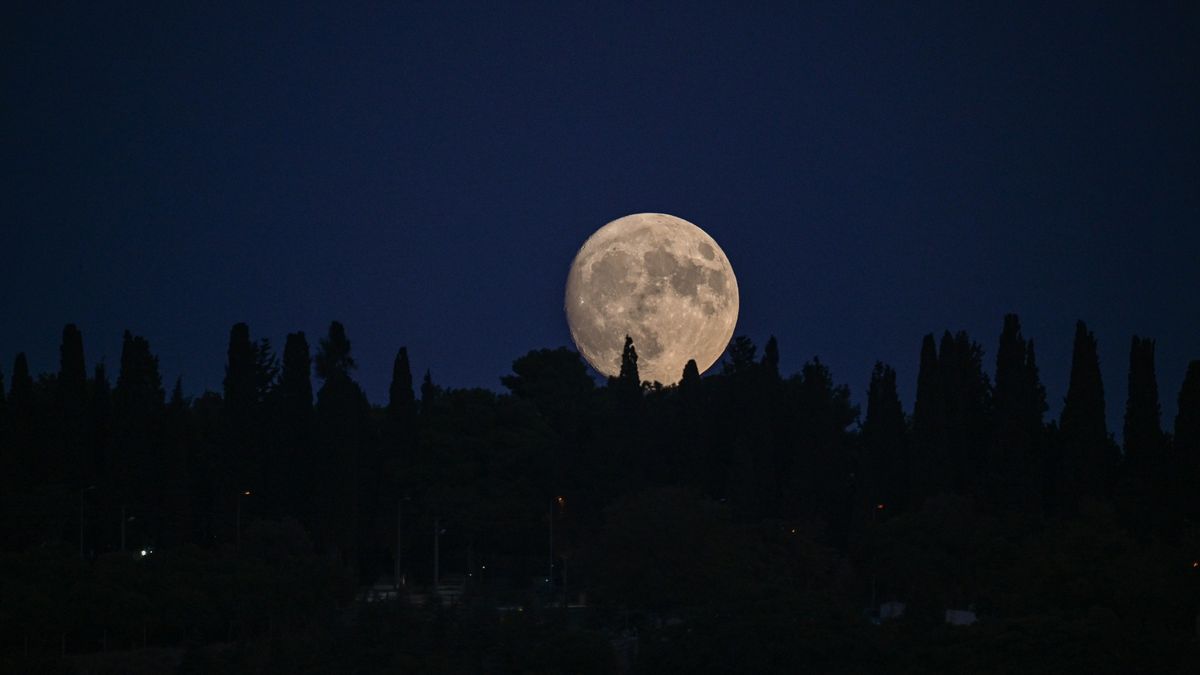
and on this, the 31st day of the eighth month, the moon tonight rises super full, closer to Earth, looking larger and brighter, but not blue,
though this one is called that, its perfect roundness appearing twice in a calendar month.
On nights like these I stop wherever I am to watch her stately climb into the eastern sky, though I know that we’re the ones slowly rotating on the planet below her magnificence,
remembering Augustus’s famous last words: Have I played the part well? Then applaud as I exit.
And I do, every time— putting my hands together for our blesséd super moon, a major player making her grand entrance so brilliantly,
reflecting the light of our nearest star and, before making a graceful exit, casting puddles of sweet moonshine on earthly beings like me.






 Güd wrtr